



Beyond the Golden Dunes
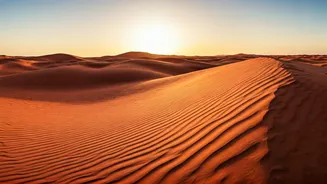
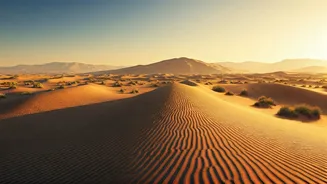
India’s association with deserts is dominated by the majestic Thar. Its rolling, cinematic sand dunes have captured the imagination of travellers and filmmakers for generations. While undeniably beautiful, this single image overshadows a diverse range
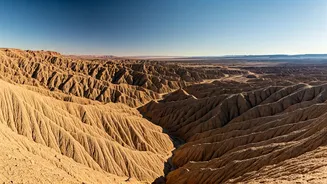
of arid and semi-arid landscapes that offer a completely different kind of magic. Tucked away, primarily in the convergence zones of Rajasthan, Madhya Pradesh, and Uttar Pradesh, lies a terrain that swaps gentle curves for dramatic gashes in the earth. These are not deserts of vast emptiness, but of intricate, labyrinthine beauty—a network of ravines and badlands that feel more like the American Southwest than stereotypical Rajasthan.
Welcome to the Chambal Badlands
The most stunning example of these “sand valleys” is the landscape carved by the Chambal River. For millennia, the river and seasonal erosion have clawed at the alluvial soil, creating a sprawling network of ravines, known locally as ‘beehad’. These are not gentle valleys but deep, jagged canyons that can stretch for miles, creating a mesmerising, almost intimidating, natural fortress. This is a landscape in constant, slow-motion conversation between water and earth. The golden-brown soil forms cliffs, pillars, and intricate patterns that shift with the light, transforming from soft and welcoming at sunrise to stark and shadowy at dusk. This raw, sculpted earth is the 'alternative gem' the guidebooks often miss.
A Sanctuary for the Unique
What makes the Chambal region truly exceptional is that its ruggedness has served as a shield, preserving one of India's most pristine river ecosystems. The National Chambal Sanctuary protects a stretch of the river that is a haven for critically endangered wildlife. This is one of the last major habitats for the gharial, a fish-eating crocodile with a distinctive long, thin snout. Floating down the river on a quiet boat safari, you can spot them basking on the sandy banks, often alongside mugger crocodiles. The sanctuary is also home to the rare Gangetic river dolphin, eight species of turtle, and over 320 species of resident and migratory birds. This isn't just a geological wonder; it's a thriving, vital ecosystem that exists because of, not in spite of, its harsh terrain.
An Explorer's Canvas
Visiting the Chambal Valley is an experience defined by quiet immersion and discovery. Unlike crowded national parks or tourist hotspots, the vibe here is serene and untamed. The primary activity is the river safari, a slow-paced journey that allows for exceptional wildlife and bird spotting. Photographers will find an endless supply of subjects, from the grand vistas of the ravines to the intimate moments of a skimmer gliding over the water. The area’s history as a hideout for dacoits (bandits) once made it notorious, but today, responsible ecotourism provides a safe and fascinating window into this forgotten world. It's a destination for the curious traveller, one who seeks solitude and a genuine connection with a wild, unfiltered landscape.
Planning Your Expedition
This off-the-beaten-path destination requires a bit of planning. The best time to visit is during the cooler, drier months, from October to March, when wildlife sightings are at their peak. The most accessible entry point to the National Chambal Sanctuary is near Agra, making it a fantastic, contrasting addition to a Golden Triangle itinerary. Several eco-lodges and responsible tour operators are based in the area, offering guided safaris, knowledgeable naturalists, and comfortable stays. Booking through an established lodge is the best way to ensure your visit is safe, respectful of the fragile environment, and directly supportive of local conservation efforts. It’s an adventure that rewards forethought with unparalleled natural beauty.