



The 'Why' Behind Barefooting
Advocates for barefoot hiking often talk about strengthening the hundreds of muscles in the feet, which are typically constrained by modern footwear. Going without shoes can improve your proprioception, which is your body's awareness of its position in space,
leading to better balance on uneven terrain. Many also find it enhances the hiking experience, turning a simple walk into a sensory exploration of different textures like cool mud, soft moss, and sun-warmed rock. The practice is often described as a form of 'grounding' that reduces stress and promotes well-being.
Conditioning Is Not Optional
Before you even think about a trail, your barefoot journey should begin at home. Years of wearing cushioned shoes mean the skin on your soles is soft and the intricate muscles in your feet are undertrained. Start by walking barefoot indoors, then graduate to your backyard or a local park with soft grass. This initial phase is crucial for gradually toughening the skin and strengthening the muscles, ligaments, and tendons. Pay attention to how your feet feel. Some initial soreness is normal, but sharp pain is a sign to rest. This slow progression helps prevent blisters and more serious injuries.
Choosing Your First Barefoot Trail
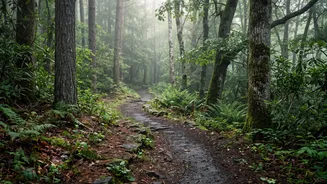
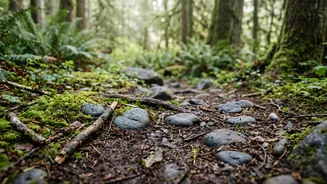
The ideal beginner trail is forgiving. Look for paths with soft, natural surfaces that offer a variety of gentle textures. Well-trodden forest trails covered in pine needles or moss are excellent choices. Sandy paths or trails with large, smooth rock slabs are also great for starting out. Some regions even have dedicated barefoot parks designed with different surfaces like bark and smooth gravel to walk on. The goal is to find a trail where you can focus on the experience without constantly worrying about sharp objects. Start with a short, familiar route so you can easily turn back or put shoes on if needed.
Trail Red Flags: What to Avoid
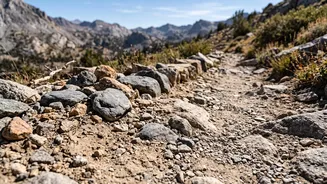
Not all trails are suitable for barefoot hiking, especially for beginners. The most obvious hazards are sharp objects like broken glass, metal, or thorns, which are more common on heavily used trails near urban areas. Be wary of trails covered in sharp, loose gravel or scree, as these can easily cause cuts and bruises. Steep downhill sections can be particularly tricky without the grip and protection of shoes. Also, be mindful of potential biological hazards like bacteria or fungi, especially in muddy or damp areas, which can lead to infections like athlete's foot. Always be aware of your surroundings and the specific risks of the local environment, such as venomous insects or snakes.
Reading the Path Ahead
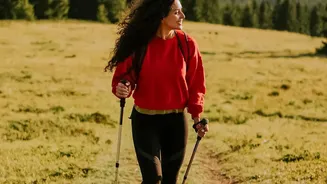
Successful barefoot hiking requires a shift in attention. Instead of looking at the distant scenery, your gaze needs to be focused on the trail 10 to 15 feet ahead. This allows you to constantly scan for potential hazards and choose your foot placement deliberately. Watch where you step and plant your foot directly, rather than shuffling, which can drag your sole across unseen sharp objects. Using trekking poles can be a great help, not just for balance but also for probing uncertain terrain before you commit your weight. This mindful approach not only keeps you safe but also deepens your engagement with the trail.
The Barefoot Hiker's 'Must-Haves'
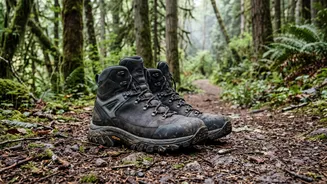
Ironically, a key piece of gear for a barefoot hiker is a pair of shoes. Always carry a lightweight pair of minimalist shoes or sandals in your pack. You may encounter a section of trail that is too rough to navigate safely without protection, or you might need to cover ground quickly. A well-stocked first-aid kit with supplies to clean and bandage cuts is also non-negotiable. Other essentials include water, a method to tell someone your route, and knowledge of your own limits. The freedom of being barefoot is best enjoyed when you are prepared for the unexpected.