



The Great Bitter Debate
From the sharp taste of methi (fenugreek) to the robust flavour of a strong coffee, bitter foods are a polarising part of our diet. For some, they are a culinary delight, adding complexity and depth to a meal. For others, they are an unpleasant, even
repulsive, experience to be avoided. For centuries, this difference was chalked up to simple preference or 'picky eating'. But science is now revealing that our relationship with bitterness is far more complex, with roots deep in our genetics and a surprising influence on our eating patterns.
A Counterintuitive Discovery
The headline-making research in this area comes from a study by Northwestern University, which analysed data from over 400,000 individuals in the UK Biobank. While not a single "9,000-person study," its scale was massive and its findings have reshaped our understanding of taste. The researchers investigated the link between genetic variants for bitter taste perception and beverage consumption. The logical assumption would be that people who are genetically more sensitive to bitterness would avoid bitter-tasting things. However, the study found the exact opposite was true for coffee. People with a heightened genetic sensitivity to the bitterness of caffeine actually drank more black coffee than those who were less sensitive.
Learned Behavior Trumps Instinct
So, why would people who find caffeine intensely bitter consume more of it? The researchers suggest it's a classic case of learned positive reinforcement. Bitterness in nature often acts as a warning sign for potentially toxic substances. But coffee drinkers with this genetic trait learn to associate the bitter taste with the reward that follows: the stimulating effects of caffeine. Over time, the brain connects the bitter flavour with feeling more alert and energetic, effectively overriding the instinctual aversion. This demonstrates that our dietary habits are not just dictated by our genes, but by a complex interplay between genetics and learned behaviour.
The Genetics of Taste
Our sensitivity to bitterness is largely governed by our taste receptor genes, particularly one called TAS2R38. Variations in this gene can sort people into 'tasters' and 'non-tasters'. 'Tasters' or 'supertasters' have a version of the gene (like the PAV haplotype) that makes them highly sensitive to certain bitter compounds found in foods like cruciferous vegetables, such as broccoli and Brussels sprouts. 'Non-tasters' (with the AVI haplotype) perceive these same compounds as much less bitter, or not at all. While the Northwestern study focused on coffee, this underlying genetic framework helps explain why a plate of greens can be a delight to one person and a punishment to another.
Embracing Bitter for Better Health
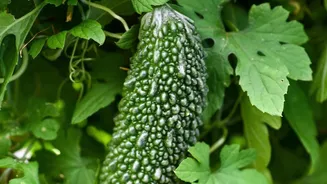
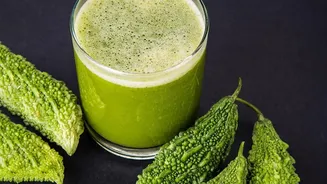
Regardless of your genetic predisposition, nutrition experts and Ayurvedic traditions alike advocate for including bitter foods in your diet. In India, ingredients like bitter gourd (karela), fenugreek (methi), neem, and turmeric have been valued for centuries. These foods are celebrated for their ability to aid digestion, support liver function, and help detoxify the body. Modern science is catching up, identifying compounds in bitter foods like polyphenols and flavonoids that have antioxidant and anti-inflammatory properties. These phytonutrients contribute to overall health, potentially reducing the risk of chronic diseases. Even if you're sensitive, you don't have to miss out. Cooking methods and pairing bitter ingredients with other flavours can make them more palatable.