
Before 'upcycling' became a buzzword, it was a way of life in India. Age-old textile traditions offer a treasure trove of ideas for giving your old clothes a new, beautiful purpose, transforming them from forgotten relics to cherished home décor.
Kantha: The Running Stitch of Bengal
One of
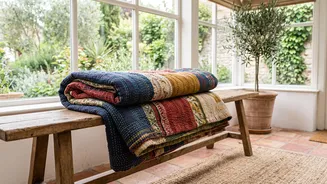
the oldest forms of Indian embroidery, Kantha originated in West Bengal as a way for women to repurpose old cotton or silk sarees. Several layers of worn fabric were stacked together and stitched with a simple running stitch to create soft quilts, wraps, and bedspreads. The beauty of Kantha lies in its storytelling, with stitches often depicting motifs from nature and daily life. Today, you can channel this tradition by layering old dupattas or soft cotton sarees to create vibrant cushion covers, wall hangings, or a lightweight throw for your sofa. The process is meditative and requires only a needle and thread, making it an accessible entry into the world of textile crafts.
Godhadi: Maharashtra’s Layered Heirlooms
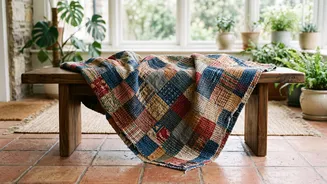
Godhadi is the traditional craft of making quilts in Maharashtra and surrounding regions, born from a spirit of frugality and community. Women would gather to hand-stitch layers of old clothes—sarees, dhotis, even children's garments—into thick, cozy blankets to protect their families from the cold. Each Godhadi is a patchwork of memories, with different fabrics telling their own stories. You can make your own by collecting fabric scraps from old cotton shirts, dresses, and bedsheets. Layer them between two larger pieces of fabric (like old sarees or bedsheets) and stitch them together with a simple running stitch. The result is a durable, multi-textured floor mat, a cozy quilt for chilly nights, or a colourful pet blanket.
Sujani: The Storytelling Quilts of Bihar
Similar to Kantha, Sujani embroidery from Bihar began as a way to create soft quilts for newborn babies by layering old dhotis and sarees. The name itself comes from 'su' (easy) and 'jani' (birth). What makes Sujani special is its narrative quality. The stitches were not just functional; they became a canvas for women to embroider stories of village life, folklore, and personal dreams. You can use this technique to turn old cotton clothes into a pictorial wall hanging that tells your family’s story, or create a decorative bed runner. The fine, running stitches and colourful threads can bring any plain fabric to life.
Chindi Rugs: Weaving Waste into Wonder
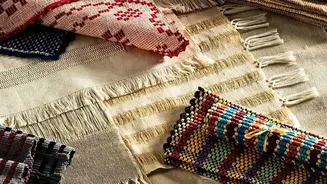
The word 'Chindi' literally means 'scrap' or 'rag', and this craft is a testament to the ingenuity of turning absolute waste into something functional and beautiful. Popular in regions like Gujarat and Maharashtra, Chindi rugs are made by braiding or weaving together thin strips of leftover fabric from old clothes. This is an excellent way to use up garments that are too worn or damaged for other projects. Simply cut old t-shirts, leggings, and other colourful fabrics into long strips and braid them. Then, coil the braid into a circle or oval and stitch it together to create a vibrant, durable, and one-of-a-kind doormat or area rug.
Block Printing: A Fresh Stamp on Faded Fabrics
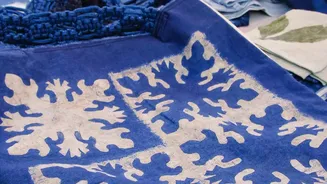
While not strictly an upcycling craft in origin, block printing is a fantastic way to give old, faded textiles a dramatic makeover. This ancient technique, popular in Rajasthan and Gujarat, involves using carved wooden blocks to print patterns onto fabric. You can easily find fabric paint and pre-carved wooden blocks online or in craft stores. Take a plain, faded cotton bedsheet and transform it into a vibrant tablecloth with a repeating floral motif. An old, stained t-shirt can become a set of unique napkins, or a tired pair of curtains can be given a new lease of life with a simple border print. It’s a quick and rewarding way to refresh items you might have otherwise discarded.