






Spices and Masalas
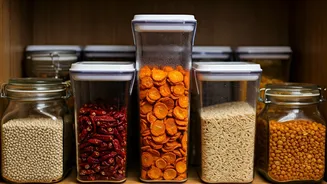
The biggest enemy of your spice collection during the monsoon is moisture, which can cause clumping, loss of flavour, and even mould. The aroma and potency of ground masalas like turmeric, chilli powder, and garam masala degrade quickly in humid conditions.
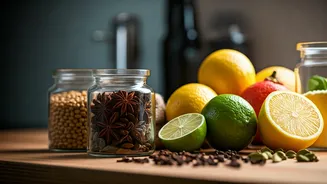
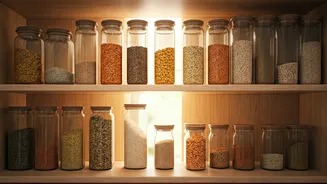
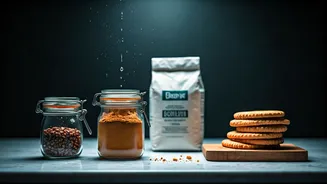
To protect them, always store spices in airtight glass jars, as plastic can sometimes be permeable. Make it a strict rule to use a completely dry spoon every single time you scoop out spices; even a drop of water can spoil the entire batch. Storing your spice rack in a cool, dark cabinet away from the stove's heat and steam is also crucial for preserving their shelf life.
Flour and Grains
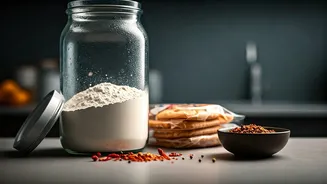
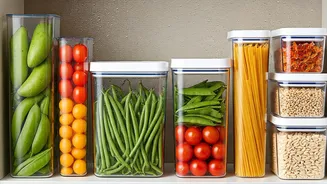
Flour, rice, and other grains are highly susceptible to absorbing moisture from the air, which can lead to mould growth and insect infestations. Improperly stored atta can go rancid quickly, while rice can develop a musty smell. The best first step is to transfer them from their original bags into clean, dry, airtight containers immediately after purchase. For an extra layer of protection, consider lightly roasting grains like sooji (semolina) or dalia before storing to remove any latent moisture. Adding a few dried bay leaves or neem leaves to your rice or flour containers is a traditional and effective way to act as a natural antifungal agent and repel pests.
Lentils and Pulses (Dals)
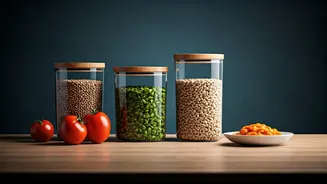
Like grains, lentils and pulses can attract moisture and insects during the rainy season, causing them to spoil, clump together, or even become infested with worms. Before storing a new batch, it’s a great practice to sun-dry the pulses for a day or two if possible; the heat helps remove moisture and kills insect eggs. Store them in airtight containers. For long-term storage, adding a few cloves or a small muslin pouch of rock salt can help absorb humidity and deter pests. Regularly check your containers for any signs of spoilage.
Biscuits, Chips, and Crispy Snacks
There's nothing more disappointing than reaching for a biscuit and finding it soft and stale. Crispy items like biscuits, cookies, and namkeen are magnets for moisture. Storing them in their original open packets is a sure way to make them soggy. The solution is to immediately transfer them to an airtight container. For added defence, you can line the container with a paper towel or a blotting paper to absorb any excess moisture that gets in. If your snacks have already lost their crunch, a few minutes in a hot oven or air fryer can often bring them back to life.
Salt and Sugar
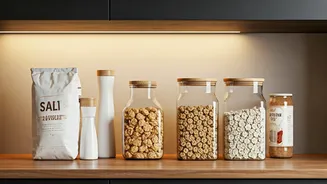
Salt and sugar are hygroscopic, meaning they readily absorb moisture from the atmosphere, which is why they tend to form hard clumps during the monsoon. The best way to prevent this is by storing them in airtight glass jars instead of plastic or metal containers. A popular and effective household trick is to add a few grains of uncooked rice to the jars. The rice absorbs the excess moisture, keeping your salt and sugar flowing freely. Adding a few cloves to the sugar jar can also help keep ants away.
Pickles (Achaar)
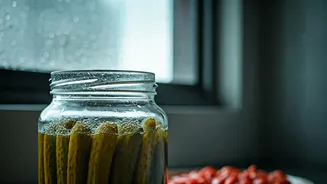
Homemade pickles are precious, but they are very vulnerable to fungus in the high humidity of the monsoon. Moisture is the primary culprit, often introduced via a wet spoon or a poorly sealed jar. Always use a thoroughly clean and dry glass jar for storage. Ensure the pickle is completely submerged in its brine or oil, as this creates a protective barrier against mould and bacteria. Store the jar in a cool, dark place away from direct sunlight and check it regularly for any signs of spoilage. Wiping the rim of the jar after each use can also prevent contaminants from getting in.
Onions and Potatoes
These root vegetables are kitchen staples but are prone to sprouting and rotting faster during the monsoon. The key is to store them in a cool, dark, and well-ventilated place—never in a sealed plastic bag where moisture can get trapped. A basket or a cardboard box with holes works well. It's important not to wash them before storing, as dampness encourages spoilage. Simply brush off any excess dirt. Also, avoid storing onions and potatoes together, as gases released by onions can cause potatoes to sprout more quickly.
Coffee and Tea
Coffee grounds and tea leaves can lose their aroma and flavour if exposed to moisture, heat, or light. During the monsoon, the elevated humidity is a particular threat, potentially making them taste stale. Like spices, they must be stored in airtight containers to preserve their freshness. Keep these containers in a dark, cool spot in your pantry, away from any sources of heat like the stove or sunny windows. Avoid storing them in the refrigerator, as condensation can form and damage them.