






An Unprecedented Surge
The numbers paint a stark picture of the tourism explosion in the Indian Himalayas. States like Himachal Pradesh and Uttarakhand are seeing visitor numbers that vastly exceed their resident populations. For instance, Himachal Pradesh hosted nearly 20
million visitors annually in recent years, while Uttarakhand saw numbers climb towards 60 million. This surge is driven by improved road connectivity, a growing middle class seeking climate escapes from scorching plains, and government promotion. While this influx fuels local economies, contributing significantly to the GDP of Himalayan states, it has pushed popular towns like Shimla and Manali beyond their carrying capacity. Infrastructure built for much smaller populations now buckles under the seasonal strain.
The Environmental Toll
The boom comes at a steep environmental cost. One of the most visible issues is waste. Popular destinations accumulate tens of thousands of metric tonnes of waste annually, much of it non-recyclable plastic. Water resources are also under immense pressure. Tourist towns frequently face shortages, with a single tourist often consuming several times more water than a local resident, leading to rationing for locals while hotels promise uninterrupted supply. This is exacerbated by the fact that hundreds of natural springs across the region have dried up due to unregulated construction and groundwater depletion. Haphazard development, including the proliferation of hotels and expanded road networks, often involves cutting into fragile slopes, which destabilises the terrain and contributes to deforestation.
A Climate Change Multiplier
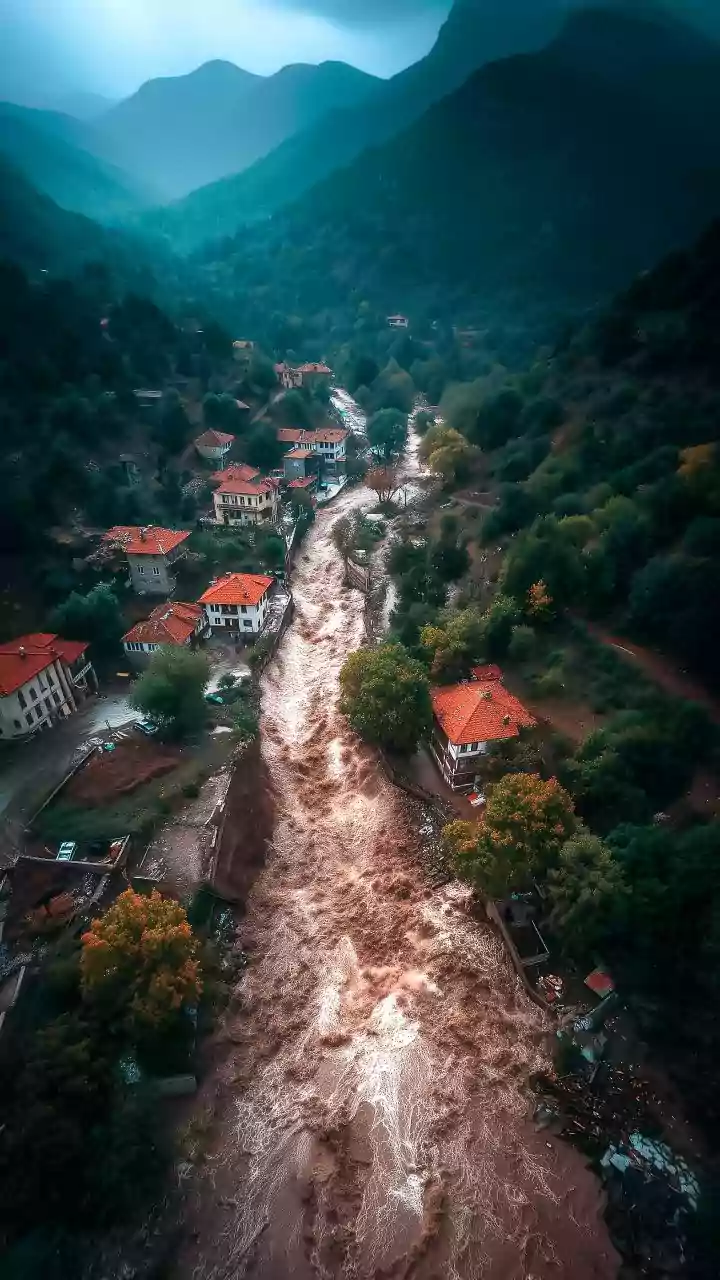
The Himalayan region is warming at nearly twice the global average, a fact that tragically compounds the risks of overtourism. Climate change is leading to more erratic weather patterns, including intense rainfall and cloudbursts that trigger deadly flash floods and landslides. The convergence of peak tourist seasons with these unpredictable monsoon hazards creates what experts call a 'temporal compression' of risk. Furthermore, rising temperatures are causing glaciers to retreat at an alarming rate. This not only threatens the long-term water supply for billions downstream but also increases the immediate danger of Glacial Lake Outburst Floods (GLOFs), where unstable meltwater lakes breach with catastrophic force. The recent deadly flash flood in Nepal's Rasuwa region, triggered by a glacial event, serves as a grim reminder of these growing dangers.
The Human Dilemma
For the 50 million people who call the Himalayas home, the situation presents a difficult paradox. Tourism is an economic lifeline, providing jobs and income for a significant portion of the population in regions like Ladakh, where it contributes to around 50% of the GDP. Many communities have transformed from remote settlements into vibrant destinations, with homestays and guide services lifting families out of subsistence living. However, these same communities are on the front lines of the environmental fallout, facing water scarcity, strained public services, and the direct threat of climate-related disasters. The very development meant to bring prosperity, when unchecked, makes their homes more vulnerable and their futures more uncertain.
The Search for a Sustainable Path
There is a growing recognition that the current model is unsustainable. Experts and policymakers are increasingly calling for a shift towards regulated, sustainable tourism. Ideas include establishing and enforcing carrying capacities for popular destinations, implementing 'green taxes' or sustainable development fees to fund conservation, and promoting community-owned tourism models that give locals a greater stake in preservation. The central government has also announced initiatives to develop ecologically sustainable mountain trails to disperse tourists and promote lesser-known destinations. States like Uttarakhand are revising tourism policies to encourage low-impact practices and green building standards. The challenge lies in translating these plans into effective, on-the-ground action that can balance economic needs with ecological imperatives before the damage becomes irreversible.