
The Human Cost of a Disappearing Edge
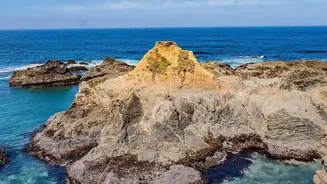
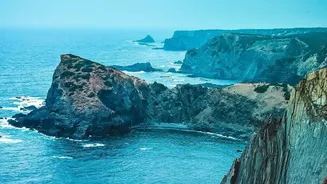
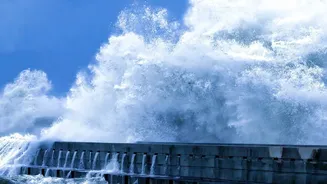
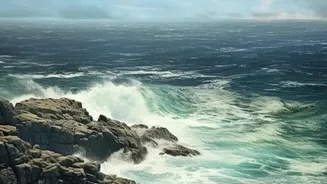
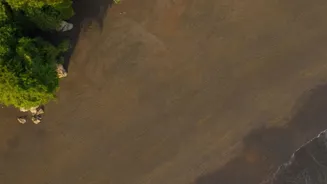
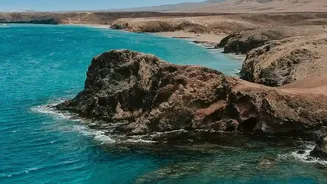
Coastal erosion is the wearing away of land by the force of waves, tides, and storms, a process supercharged by rising sea levels and human activity. All over the world, this is forcing a slow-motion retreat. Communities are losing homes, roads, and vital
infrastructure to the encroaching water. This loss isn't just economic, amounting to hundreds of millions of dollars in property damage annually; it's also cultural. Ancestral lands, historical sites, and entire community identities are being washed away, threatening both livelihoods and heritage. The constant threat of inundation creates instability, forcing people to move inland and adding pressure to already populated areas.
The Land is a Living Carbon Bank
But it's not just sand and soil that's being lost. Coastal ecosystems like salt marshes, mangroves, and seagrass meadows are some of the most effective carbon sinks on the planet. This is the concept of "blue carbon": the immense amount of carbon captured from the atmosphere and stored in coastal and ocean habitats. Though they cover far less area than forests, these ecosystems sequester carbon at a much faster rate, locking it away in soil and sediment for centuries, even millennia. The dense, waterlogged soil prevents organic matter from decomposing and releasing its carbon, creating a vast and ancient carbon bank right along the water's edge.
An Unseen Climate Feedback Loop
When these coastlines erode, this bank is broken open. The very ecosystems that serve as natural buffers against storms are destroyed, leaving communities more vulnerable. At the same time, the thousands of years' worth of carbon stored in their soils is exposed to the air. This once-stable carbon is then released back into the atmosphere as carbon dioxide or methane, greenhouse gases that fuel the very climate change that is accelerating erosion in the first place. This creates a dangerous feedback loop: warming seas drive erosion, and erosion releases more carbon, which causes more warming. Freshwater wetlands are similarly affected, transforming from carbon storage pools to carbon sources as they erode.
The Arctic's Thawing Coastlines
Nowhere is this feedback loop more alarming than in the Arctic. About a third of the world's coastlines are permafrost—ground that has been frozen for at least two years. As the Arctic warms, this frozen ground is thawing and eroding at an accelerated rate, in some places losing dozens of metres per year. Arctic permafrost contains enormous amounts of organic carbon—by some estimates, more than twice what is currently in the atmosphere. As these ice-rich bluffs collapse into the sea, the previously frozen carbon is released, adding another powerful accelerator to global warming. This process has largely been neglected in climate models, meaning we may be underestimating the speed and intensity of future climate change.
A Dual-Purpose Solution
The intertwined nature of this problem points toward a powerful solution. Protecting and restoring coastal ecosystems is a win-win strategy. So-called "living shorelines" that use natural elements like plants, reefs, and marshes can effectively slow erosion and absorb wave energy. These nature-based solutions not only protect homes and infrastructure but also enhance biodiversity and water quality. Crucially, by keeping these habitats intact, we are also safeguarding their immense carbon stores. Restoring a salt marsh or mangrove forest is a direct investment in both community resilience and climate mitigation, tackling two of the most pressing challenges of our time with a single, elegant approach.