
A Surprising Star on the Navratri Menu
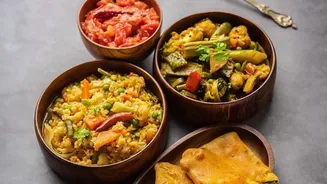
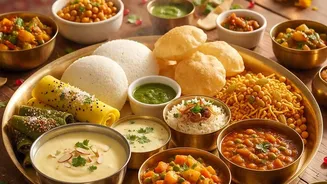
As the nine nights of Navratri unfold, kitchens across India adopt a specific culinary discipline. The focus shifts to 'vrat' or fasting foods—dishes that are simple, vegetarian, and often made without onion or garlic. Amidst the usual sabudana khichdi,
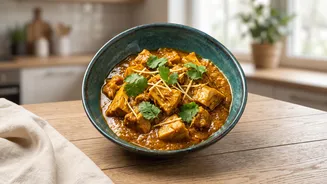
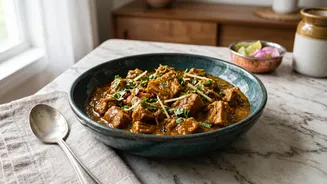
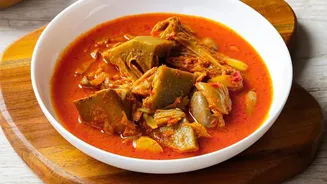
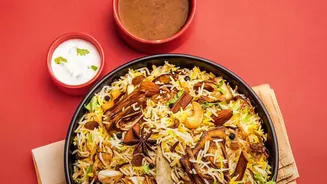
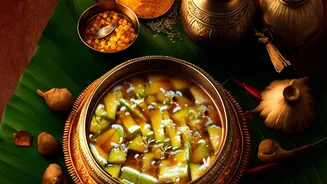
kuttu puris, and fruit platters, a richer, more complex dish has found a surprising place at the table: a Parsi-style kathal, or raw jackfruit, curry. It’s a dish that feels more indulgent and robust than typical festive fare, leading many to wonder how a recipe perfected in the kitchens of Mumbai’s iconic Parsi clubs became a sought-after delicacy during a period of dietary restraint. This unlikely star offers a satisfying depth of flavour that beautifully complements the festive spirit while adhering to vegetarian norms.
The Secret is the 'Vegetarian Mutton'
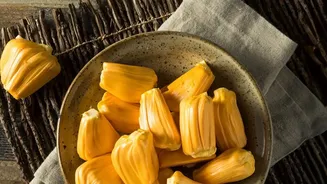
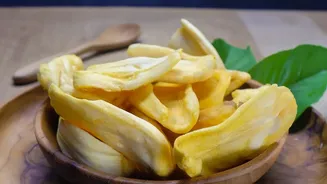
The magic of the dish lies in its core ingredient: raw jackfruit. Known as 'kathal' in Hindi, its fibrous, dense texture is remarkably similar to mutton when cooked. This quality makes it a perfect canvas for the bold and aromatic spices typical of Parsi cuisine, which is famously meat-centric. Parsi cooking often involves a masterful blend of sweet, sour, and spicy notes, a flavour profile that is traditionally applied to lamb or chicken in dishes like Sali Boti or Dhansak. When this same masala philosophy is applied to kathal, the result is a vegetarian curry that delivers the satisfying, hearty experience of a meat dish. It allows those observing the fast to enjoy a celebratory meal that doesn't feel like a compromise, hitting all the rich notes of a classic Sunday feast.
A Legacy of Parsi Clubs
The term 'club recipe' evokes a sense of time-tested perfection. Mumbai's Parsi clubs and Irani cafes, established by Zoroastrian settlers from Persia, have been cultural and culinary landmarks for over a century. These institutions, like Britannia & Co. and Sassanian, became melting pots where Parsi culture was preserved and shared. While known for signature non-vegetarian dishes, their kitchens also perfected vegetarian preparations that carry the community's distinct culinary stamp. A recipe for a Kathal Korma, for instance, was noted in a Parsi Women's Club cookbook from 1983, showcasing its place in the community's repertoire. These clubs became custodians of recipes, passed down through generations and refined to create dishes with a comforting, nostalgic, and unmistakable Parsi identity.
Why it Works for Navratri
The appeal of the Parsi kathal curry during Navratri is twofold. First, it provides a welcome change from lighter fasting foods. After a few days of simple meals, a flavourful, textured curry offers a sense of feasting and celebration. Second, while the recipe is rich, its base ingredients are entirely compliant with Navratri dietary rules. Raw jackfruit is a vegetable, and the iconic Parsi masala can be prepared without onions and garlic, which many devotees avoid during this period as they are considered rajasic or tamasic (stimulating or dulling) in nature. By focusing on aromatic whole spices, ginger, and tangy elements like curd or tamarind, the dish maintains its complexity while respecting spiritual traditions. It’s a perfect example of culinary adaptation, where a traditionally non-vegetarian flavour profile finds a new and welcome home on the vegetarian festive platter.
A Bridge Between Cultures
More than just a delicious meal, the popularity of a Parsi kathal dish during Navratri speaks to the beautiful multicultural fabric of Indian cities like Mumbai. Parsi cuisine, with its Persian roots and Indian adaptations, is a story of integration. The community's food has been embraced and absorbed into the city's broader culinary landscape. When a Hindu festival prominently features a dish perfected by the Zoroastrian community, it highlights a shared love for good food that transcends religious and cultural boundaries. It's a testament to how culinary traditions in India are not static; they borrow, adapt, and evolve, creating new and delightful experiences that bring communities together, one delicious bite at a time.