





The Rejuvenated Western Ghats
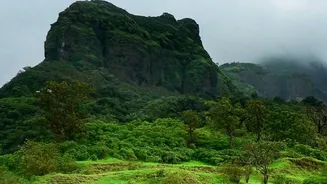
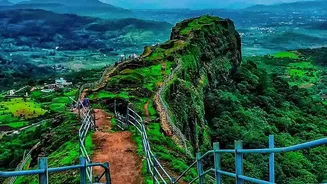
The Western Ghats, a UNESCO World Heritage site, transforms into a lush paradise post-monsoon. From September to November, the hills of Maharashtra, Karnataka, and Kerala are carpeted in countless shades of green, waterfalls are at their most powerful,
and the air is crisp and clean. In Karnataka, the coffee plantations of Coorg (Kodagu) are a major draw. The aroma of wet earth and fresh coffee fills the air, while attractions like Abbey and Iruppu Falls are spectacular. Treks to peaks like Tadiandamol offer clear, panoramic views of the mist-covered valleys. Further south in Kerala, the tea gardens of Munnar and the rainforests of Wayanad are equally captivating, with rain-fed streams and vibrant flora. This season strikes the perfect balance, offering dramatic landscapes with more comfortable, accessible conditions than the peak monsoon months.
Himalayan Treks in Autumn Colours
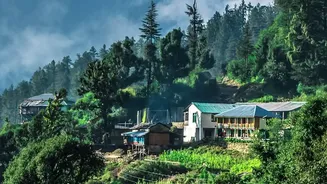
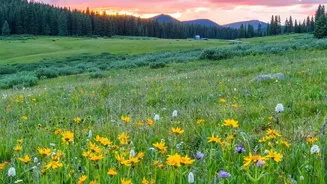
For trekking enthusiasts, the post-monsoon autumn season (September to November) in the Himalayas is arguably the best time to hit the trails. The monsoon washes the dust from the atmosphere, resulting in crystal-clear skies and sharp views of snow-capped peaks. Treks in Uttarakhand, such as the Har Ki Dun, also known as the "Valley of Gods," become a canvas of golden and amber hues. The trail winds through ancient villages, dense pine forests, and meadows that turn a brilliant gold, with the Swargarohini peaks providing a stunning backdrop. Similarly, the Chopta-Chandrashila trek offers breathtaking 360-degree views of major Himalayan peaks, including Nanda Devi and Chaukhamba, set against clear autumn skies. With fewer crowds than in peak summer or winter, it’s a season of peaceful trails and unparalleled mountain beauty.
The Lush Landscapes of Ziro Valley
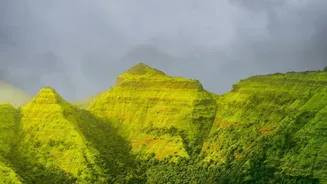
In Arunachal Pradesh, Ziro Valley offers a unique post-monsoon experience that combines natural beauty with a rich cultural tapestry. The period from late August to October is particularly special as the valley’s vast rice fields turn a golden-yellow, signalling the harvest season. This creates a stunning landscape of terraced fields set against a backdrop of green pine and bamboo forests. The weather during these months is pleasant and clear, making it ideal for exploring the villages of the Apatani tribe, known for their unique sustainable agriculture and aquaculture practices. The famous Ziro Festival of Music often takes place in September, adding another layer of appeal to a post-monsoon visit. For nature lovers and those interested in cultural immersion, Ziro in autumn is a serene and picturesque destination.
Waterfalls and Gorges of Pachmarhi
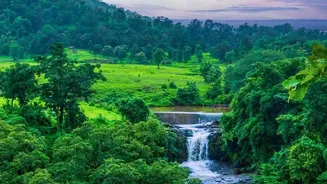
Often called the 'Queen of Satpura', Pachmarhi in Madhya Pradesh is a fantastic choice for a nature-centric trip after the rains. The monsoon season, which extends through September, revitalizes the entire plateau, and its waterfalls, including the iconic Bee Falls and the towering Rajat Prapat, are at their most spectacular. The landscape of dense sal forests, deep gorges like Handi Khoh, and rolling hills becomes intensely green. As the heaviest rains subside in late September and October, the weather becomes perfect for exploring the region’s many viewpoints, ancient Pandav Caves, and forest trails. While the core safari zone of the Satpura Tiger Reserve remains closed until October 1st, the buffer zones and the sheer natural beauty of the hill station make it a refreshing and less crowded escape.