






The Post-Pandemic Power Shift
The COVID-19 pandemic didn't just shut down theatres; it fundamentally rewired audience behaviour. Forced to stay home, viewers embraced Over-The-Top (OTT) platforms, which became a lifeline for producers with finished films and mounting interest costs.
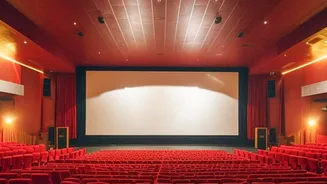
This period accelerated a trend that was already in motion, creating a vast audience comfortable with on-demand entertainment and binge-watching formats. For a time, it seemed the convenience of watching new releases from the sofa might permanently eclipse the magic of the big screen. However, 2026 has shown that reports of the theatre's death were greatly exaggerated, with box office figures indicating a strong, if selective, return of audiences.
The Irreplaceable Allure of Theatres
Despite the convenience of streaming, the theatrical experience remains essential for a certain kind of film. Big-budget spectacles, star-driven event movies, and high-concept action films thrive on the collective energy of a packed auditorium. The booming first half of 2026's box office was largely driven by a few of these massive tent-pole films, proving that audiences are willing to pay for an experience they can't replicate at home. This model also remains more profitable for blockbuster hits. The revenue from ticket sales, split between producers and exhibitors, combined with the buzz generated by a successful theatrical run, creates a cultural moment that boosts a film's value when it eventually lands on streaming platforms.
The Democratic Promise of Streaming
While theatres are crucial for blockbusters, OTT platforms have become a vital space for a different category of cinema. Mid-budget dramas, experimental projects, and content-driven stories that might get lost in a crowded theatrical market now have a place to find their audience. Streaming services offer a safety net, allowing producers to sell rights for a fixed fee and mitigate the high financial risks of a theatrical release. This has given a second life to films that underperformed at the box office but found appreciation online, like 'Laal Singh Chaddha' and 'Jersey'. Moreover, OTT platforms provide unprecedented global reach, introducing Indian regional cinema to new viewers and pushing filmmakers to up their game against international content.
A New Financial and Creative Equation
The industry is now operating on a hybrid model, where the platform is chosen based on the film's content, scale, and target audience. Producers are increasingly adopting a strategy of 'theatrical first, OTT later', aiming to maximize revenue from both streams. The standard window between a theatrical and digital release, which had shrunk dramatically, is now a point of negotiation, with some big-name creators advocating for a longer gap to protect cinema revenues. This has led to a strategic divergence: movies designed for a collective, big-screen experience are getting longer and more spectacular to justify the ticket price, while nuanced, character-focused narratives are finding a home in the long-form format of web series.
The Audience Is Now the Ultimate Curator
Ultimately, the future is being dictated by an increasingly discerning audience. Viewers in 2026, with a world of content at their fingertips, are making conscious choices. They will leave home for a film that promises a true event, but are just as happy to explore smaller, story-driven gems on their smart TVs. The success of a film is no longer just about its opening weekend but also about its long-tail performance on streaming charts. This shift puts the onus on creators to be clear about who their film is for and which platform will serve it best. Star power alone is no longer enough; a strong story and a clear value proposition are what convince a viewer to press play or purchase a ticket.