




From Landmark to Lunch Plate
For generations, travel in India was defined by a predictable checklist: historical monuments, famous temples, and scenic viewpoints. You went to Agra for the Taj Mahal, Jaipur for the Hawa Mahal, and Mumbai for the Gateway of India. The food was often
a happy, but secondary, part of the experience. That paradigm is rapidly shifting. Today, a growing number of travellers, particularly millennials and Gen Z, are planning entire trips around culinary goals. The destination is no longer a city, but a specific dish, a legendary restaurant, or a famed street food lane. This new form of pilgrimage is not spiritual, but gastronomic. The goal isn't enlightenment, but the perfect galouti kebab that dissolves on your tongue or a plate of Amritsari kulcha served straight from the tandoor.
The Social Media Engine
This trend is being supercharged by social media. A single well-shot Instagram Reel of a sizzling jalebi or a YouTube vlog detailing a '24-hour food challenge' in a city can create a digital-age 'word of mouth' that reaches millions. Food influencers and travel bloggers have become the new tour guides, leading their followers to hole-in-the-wall eateries and family-run dhabas that have been serving the same recipe for decades. The visual nature of platforms like Instagram makes food an incredibly appealing subject. The FOMO (Fear Of Missing Out) is real; when your feed is filled with friends and influencers raving about the tunday kebabs in Lucknow or the seafood thali in a Goan village, the urge to experience it yourself becomes a powerful travel motivator. Hashtags like #FoodTrip, #StreetFoodIndia, and city-specific tags create a searchable, visual map for aspiring food tourists.
What's on the Menu?
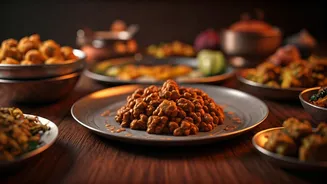
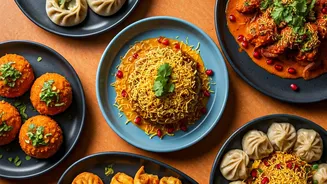
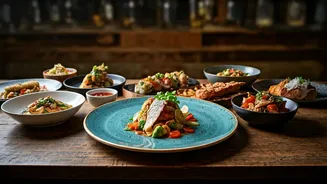
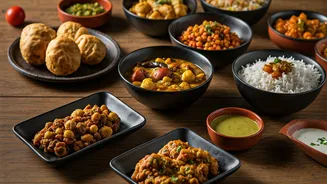
The beauty of this trend is its celebration of India’s staggering culinary diversity. Food trails are cropping up organically, driven by popular demand. Travellers are heading to Amritsar for an epic journey of kulchas, lassi, and golden temple langar. Lucknow has become a must-visit pilgrimage for lovers of Mughlai cuisine, with its kebabs, biryanis, and nihari. Kolkata draws crowds with its kathi rolls, puchkas, and a rich legacy of Bengali sweets. Down south, foodies are exploring the Malabar coast for authentic seafood curries, flocking to Hyderabad for its world-famous biryani, and discovering the unique vegetarian cuisine of Udupi. It’s not just about the big cities. Smaller towns and specific regions are gaining fame for their unique offerings, from the Chettinad cuisine of Tamil Nadu to the pandi curry of Coorg.
A Search for Authenticity
Beyond the deliciousness, this trend speaks to a deeper cultural desire. In a globalised world of chain restaurants and standardised menus, these food trips represent a quest for authenticity. It's about tasting something real, a recipe that tells a story of a place, its history, and its people. Eating a dish in its place of origin is a multi-sensory experience that a restaurant in your home city can rarely replicate. It’s about the atmosphere, the local ingredients, and the connection to a tradition that has been passed down through generations. This is experiential travel at its most grounded. You're not just a tourist observing from a distance; you are participating in the local culture in the most fundamental way—by sharing its food.
The Economic Ripple Effect
The virality of these trips has a significant and positive economic impact. A food blogger's video can turn a quiet, unassuming eatery into an overnight sensation, bringing a surge of customers and revenue. This trend helps distribute tourist spending beyond major hotels and attractions, directly benefiting small, local business owners—the street vendor, the family-run restaurant, the local spice merchant. It puts lesser-known towns on the tourist map, creating new economic opportunities and fostering a sense of local pride. By celebrating and sustaining regional culinary traditions, these food trips also play a crucial role in preserving India’s intangible cultural heritage, ensuring that unique recipes and cooking methods don't fade away.