





Choose Your Blooms Wisely
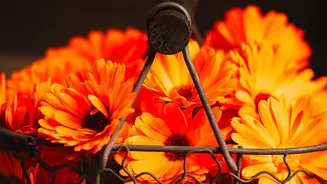
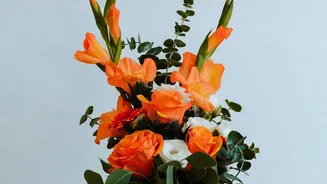
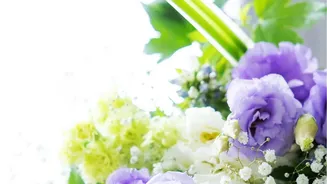
The secret to a budget-friendly Pookalam lies in your choice of flowers. Instead of opting for expensive, exotic blossoms, embrace locally available and seasonal flowers. Marigolds (Jamanthi) are a perfect choice, offering brilliant yellows and oranges
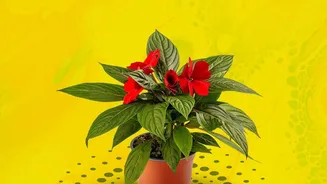
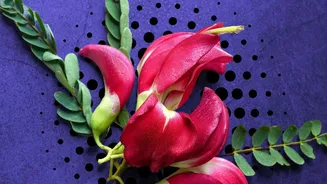
that can fill large areas of your design without costing a fortune. Chrysanthemums are another cost-effective option that adds volume and colour. Traditionally, Pookalams were made with flowers foraged from the neighbourhood. Look for common flowers like Hibiscus (Chemparathy), Ixora (Chethi), and Butterfly Pea (Shankupushpam), which add authentic charm and vibrant colour. Using these readily available flowers significantly cuts down costs while keeping the spirit of the tradition alive.
Start Small and Simple
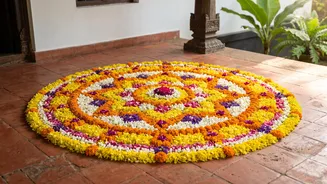
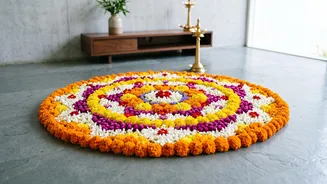
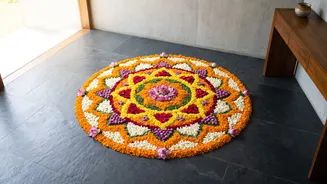
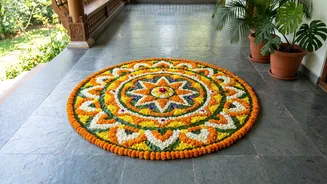
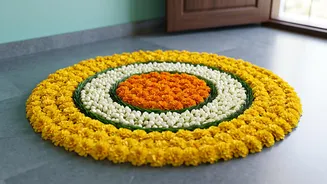
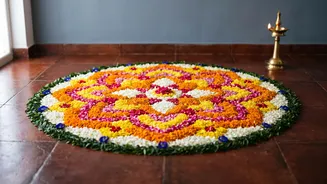
A larger Pookalam isn't always better. A small, neatly made design can be more visually striking than a large, sparse one. This is especially true for those living in apartments or with limited space. Consider starting with a small design on Atham, the first day of Onam, and adding a new ring of flowers each day. This traditional practice not only makes the process more manageable but also helps spread the cost over the ten-day festival. For beginners, simple patterns are the way to go. Classic concentric circles are elegant, easy to create, and always look festive. You can also try other straightforward geometric shapes like stars or squares, which are visually appealing and don't require advanced skills. Remember to draw an outline with chalk or rice flour before you begin to ensure your design is symmetrical.
Forage from Your Own Garden
Your own garden or local surroundings can be a treasure trove of free materials. Many traditional Pookalams incorporate leaves and flowers that are commonly found in backyards across Kerala. The tiny white Thumba (Ceylon Slitwort) and yellow Mukkutti were once essential elements of any Pookalam. Leaves from plants like holy basil (Tulsi) can be used to add green hues and a pleasant fragrance. Mango leaves can also be used for borders and fillers, adding volume and a touch of green without any extra cost. Before you head to the market, take a walk around your garden or neighbourhood. You might be surprised by the variety of colourful flowers and green foliage you can find to supplement your design.
Master the Art of Fillers
To make your flower budget stretch further, learn to use fillers strategically. You don't need to fill the entire design with expensive petals. Leaves are an excellent and economical way to create borders or separate different coloured sections of your Pookalam. Another clever trick is to use a base of desiccated coconut or semolina for white sections. Some even use coloured salt or sawdust for parts of the design, though fresh flowers remain the heart of the tradition. For colours like green, finely chopped leaves are a much cheaper alternative to green-hued flowers. By using fillers for bulk and reserving your more colourful or expensive flowers for highlights, you can create a full and vibrant look for less.
Plan Your Palette and Design
A common mistake is buying flowers without a plan, which often leads to overspending. Before you shop, decide on the size and pattern of your Pookalam. A simple sketch can help you estimate how much of each colour you'll need. Sticking to a limited colour palette of two or three contrasting colours can create a more elegant and modern look than a chaotic mix of every colour available. Strong contrasts, like yellow against red or white against orange, make a simple design pop. Buying flowers from wholesale markets rather than local florists can also lead to significant savings, especially if you can avoid purchasing on the busiest days right before Thiruvonam.