








A Fleet of Festival Special Trains
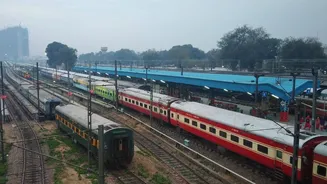
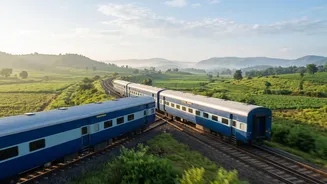
To meet the extraordinary demand, Indian Railways has announced a series of 'Festival Special Trains' across its network. Unlike fragmented announcements in previous years, the 2026 plan includes a more structured, multi-week schedule of additional services.
Northern Railway, for instance, has introduced numerous special trains connecting major hubs like Delhi, Mumbai, and Chandigarh with high-demand destinations in Uttar Pradesh, Bihar, and Punjab. Key routes getting extra services include Varanasi-Delhi, Ayodhya Cantt-Anand Vihar, Chandigarh-Patna, and Mumbai Central-Katihar. These special services are designed to run for dozens of trips throughout the festive period, from October through November, adding significant capacity to the system and easing pressure on regularly scheduled express trains.
Tackling Overcrowding at Stations
Managing crowds at major stations is a top priority. Learning from past festivals, the Railways is implementing a system of permanent holding areas at dozens of stations that periodically face heavy traffic, including New Delhi, Anand Vihar, and Varanasi. These designated zones are set up outside the main station building to hold passengers until their train arrives at the platform. This access control system, successfully piloted during events like the Maha Kumbh, prevents platforms from becoming dangerously overcrowded. Only passengers with confirmed tickets are allowed direct access, while those with waitlisted tickets may be asked to wait in these areas, which are equipped with basic amenities like drinking water and toilets.
Enhanced Security and Monitoring
Safety and security are being significantly ramped up. A multi-pronged approach involves deploying additional Railway Protection Force (RPF) and Government Railway Police (GRP) personnel at critical points like foot-over bridges and platforms to manage passenger flow and prevent stampede-like situations. CCTV cameras will be used extensively to monitor crowd density in real-time. In some cases, station masters may even regulate the issuance of unreserved tickets based on crowd levels to maintain order. This combination of on-ground personnel and technology aims to ensure a secure environment for travelers during the peak rush.
Booking Your Tickets: A 60-Day Game Plan
For passengers, securing a confirmed berth is the first and most critical step. With Diwali falling on November 8, 2026, the booking window for travel dates around the festival began opening on September 6. Indian Railways now operates on a 60-day Advance Reservation Period (ARP), meaning tickets for a specific date of travel open exactly 60 days prior, at 8:00 AM. Because of the immense demand, tickets on popular routes to states like Bihar and Uttar Pradesh are often exhausted within minutes of the window opening. Prospective travelers are advised to check the exact opening date for their specific journey, save passenger details in their IRCTC accounts beforehand, and be ready to book the moment reservations begin.
What Passengers Can Do
While the Railways is rolling out extensive measures, passenger cooperation is vital for a smooth experience. Travelers are encouraged to arrive at the station well in advance but avoid congesting platforms unnecessarily. Using the designated holding areas helps staff manage crowds effectively. It is also crucial to rely on official sources for train information, such as the IRCTC website and app, to get accurate updates on schedules and platform numbers. Booking tickets in advance is the single most important step to avoid last-minute difficulties, as relying on Tatkal quotas for festival trains can be a risky strategy due to limited availability.