





The Pucker-Up Revolution
For generations, sourness has been a beloved, if supporting, character in the story of Indian food. It's the tangy tamarind in sambar, the sharp kick of amchoor in chole, and the tartness of a lemon squeezed over dal. This love for tangy flavours, deeply
rooted in tradition and regional diversity, is now taking on a bold new role. No longer just a background note, sour is becoming the star of the show. There's a growing appetite for flavours that challenge and excite the palate, and sour delivers. This trend is visible in the rise of fermented foods, which have moved from home-kitchen staples to a major wellness and lifestyle trend across urban India. The market for fermented food and beverages in India was valued at USD 24.4 billion in 2025 and is projected to grow significantly, showing a clear shift in consumer tastes.
From Chaat to Craft Kombucha
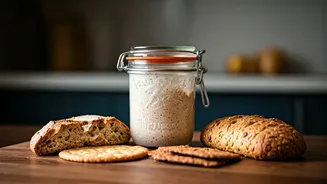
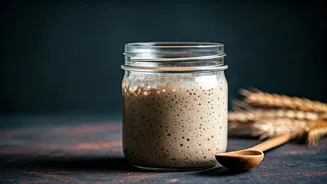
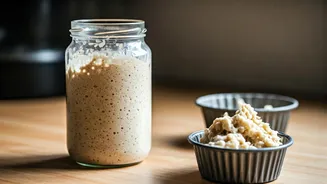
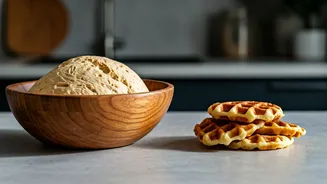
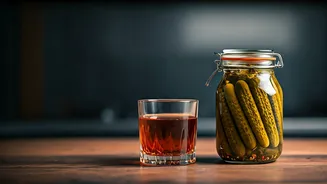
India's obsession with sour isn't new; think of the complex sweet, spicy, and sour explosion of chaat. What's different now is the scope. The modern sour wave embraces everything from tradition to global innovation. On one hand, there's a renewed appreciation for regional souring agents like kokum from the west coast, kachampuli vinegar from Coorg, and thekera from Assam. On the other hand, global trends have introduced a new vocabulary of sour. Kombucha, a fizzy fermented tea, has found a firm footing in metro cities, with major brands like Tata entering the market. Artisanal sourdough bakeries, kimchi in modern restaurants, and locally brewed kefir are becoming common sights, blending international techniques with Indian tastes. This revival is also boosting traditional ferments like kanji, idli batter, and regional pickles, which are now being marketed as premium, health-forward products.
An Adventure Best Shared
So why does this flavour trend make food more shareable? The answer lies in the experience. Bold, intense, and sometimes surprising flavours like sour create a reaction. When you taste something intensely tangy or funky for the first time, you often want to see how others react. It becomes a conversation starter. This aligns perfectly with the growing trend of small plates and communal dining in Indian restaurants. Rather than large, individual main courses, modern menus increasingly feature smaller, shareable dishes that allow diners to sample a variety of flavours together. This format naturally encourages interaction—passing plates, discussing tastes, and comparing notes. Sour and fermented dishes, with their complex profiles, are perfect for this style of eating. They turn a meal from a passive act of consumption into an active, collective adventure.
The Chef's New Playground
Chefs across India are embracing this trend with creativity. Fine-dining restaurants are exploring fermentation to create deeper umami and agro-dolce (sweet-sour) profiles in their dishes. They are using traditional souring agents in contemporary ways—as glazes, marinades, and cordials—and blending local ingredients with global techniques like Japanese koji fermentation. This culinary experimentation is most evident on small plate menus, where chefs can offer diners a taste of something new without requiring them to commit to a full-sized dish. The small plate format is a low-risk, high-reward way to introduce diners to the exciting world of sour and fermented foods, fostering a more adventurous and communal dining culture. As chefs continue to push boundaries, acidity is being recognized for the complexity and depth it adds, balancing flavours and making every bite more memorable.