







The Monsoon Workout Illusion
Exercising during the monsoon season offers a welcome escape from the intense summer heat. The overcast skies and lower temperatures can make physical activity feel less strenuous. However, this creates a false sense of security. The cooler air can suppress
your body's natural thirst signals, meaning you might not feel the urge to drink water even as your body loses significant fluids. This psychological comfort, combined with a blunted thirst response, means many people don't hydrate as diligently as they would on a hot, sunny day, leading to a silent and gradual fluid deficit.
Humidity’s Deceptive Effect on Sweat
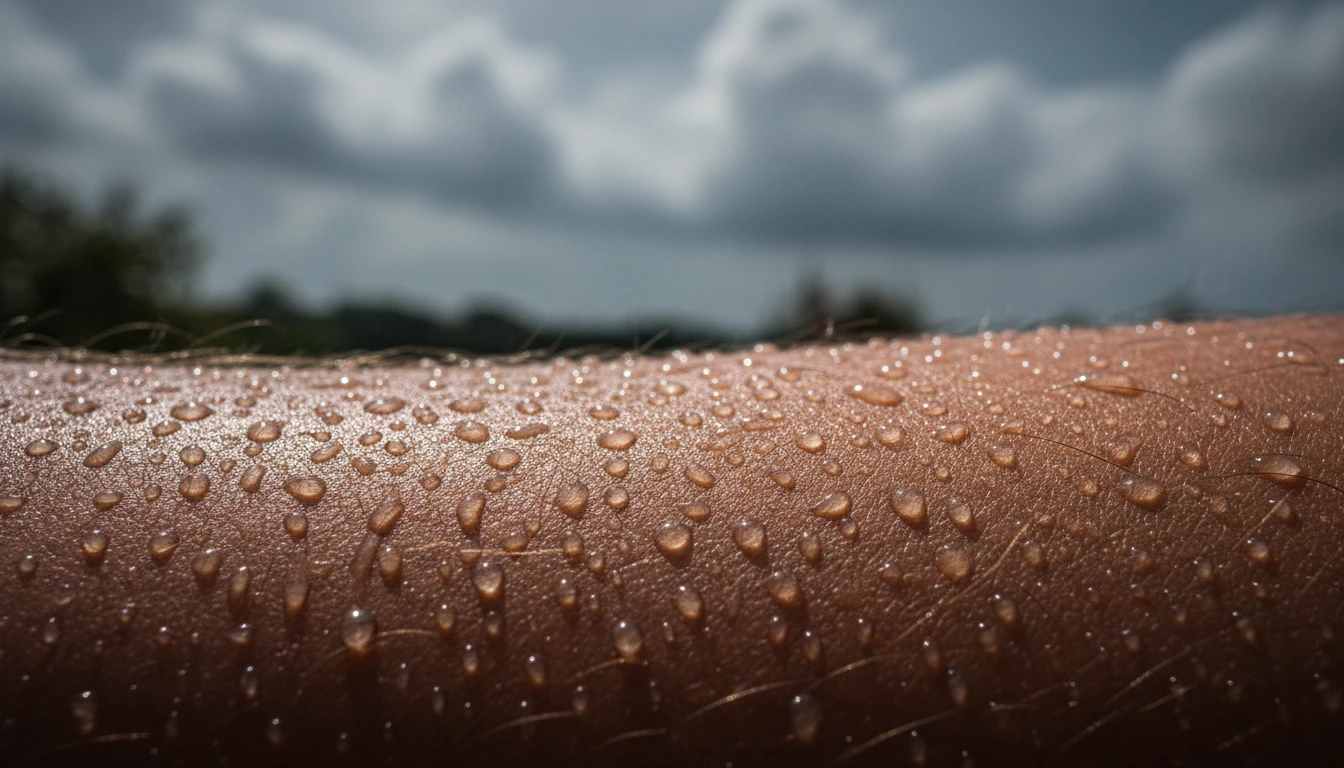
The primary culprit behind this deception is humidity. Your body's main cooling mechanism is the evaporation of sweat from your skin, which carries heat away. During the monsoon, the air is already saturated with water vapour, with humidity levels often exceeding 70-80%. This prevents your sweat from evaporating efficiently. Instead, it clings to your skin, leaving you feeling sticky but not necessarily providing the cooling effect your body needs. In response, your body works harder and produces even more sweat to try and cool down, accelerating fluid and electrolyte loss without you feeling the corresponding heat relief.
Subtle Signs of Dehydration to Watch For
Since thirst isn't a reliable indicator during humid weather, it's crucial to recognise the other, more subtle signs of dehydration. Persistent fatigue or feeling unusually sluggish during a workout that normally feels manageable can be an early warning. Other signs include headaches, dizziness, a dry or sticky mouth, and muscle cramps. These symptoms are often dismissed as just by-products of a tough workout, but they can signal that your body's fluid levels are dipping to a point that impairs performance and puts your health at risk.
A Simple Way to Track Your Hydration
One of the most effective and straightforward methods for tracking hydration is monitoring your urine colour. When you are well-hydrated, your urine should be a pale yellow, like lemonade. If it becomes a dark yellow or amber colour, it's a clear sign that your body is conserving water and you need to increase your fluid intake. This simple visual check throughout the day provides immediate feedback on your hydration status, helping you adjust your water consumption before more severe symptoms appear. Don't wait until after your workout; pay attention to your urine colour all day.
How to Track Fluid Loss More Precisely
For those who engage in intense or prolonged exercise, a more precise method is to weigh yourself before and after your workout. Any weight lost during the session is primarily due to fluid loss. For every kilogram of weight you lose, you should aim to replenish it with about 1.5 litres of fluid. This method helps you understand your personal sweat rate in different conditions and tailor your hydration strategy accordingly. It removes the guesswork and ensures you are adequately replacing what you've lost, which is critical in the deceptively dehydrating monsoon humidity.
Proactive Hydration and Electrolyte Balance
The best strategy is to be proactive. Don't wait for signs of dehydration to start drinking. Begin your workout already hydrated by sipping water throughout the day. During exercise in high humidity, it's not just about water; you also lose essential electrolytes like sodium and potassium through sweat. Losing these minerals can lead to muscle cramps and fatigue. Consider incorporating an electrolyte drink, coconut water, or even a pinch of salt with lime in your water to help replenish these vital minerals and improve your body's fluid absorption.