




The New Family Member
The shift begins with a simple change in perspective: pets are no longer just animals we own; they are family. This trend, often called the ‘humanization of pets,’ is the driving force behind the biggest changes in home design in a generation. As more
Indians, particularly in urban centres, welcome cats and dogs into their lives, they’re not just looking for a companion but a furry child or sibling. This emotional upgrade means their comfort, safety, and happiness have become non-negotiable. Consequently, a home must now serve the needs of all its inhabitants, not just the ones who walk on two legs. This isn't a fleeting fad; it's a deep-seated cultural evolution that is forcing designers, architects, and homeowners to rethink the very definition of a functional living space.
Beyond the Scratch-Proof Sofa
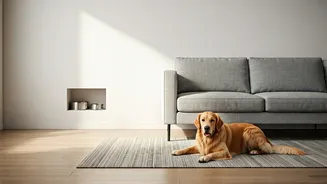
For years, ‘pet-friendly design’ meant making compromises. It was a defensive strategy: choosing a sofa colour that hides fur, buying a rug that withstands 'accidents', and hoping the cat doesn't shred the curtains. Today, the philosophy has flipped from defence to offence. It’s no longer about pet-proofing a human-centric space; it’s about proactively creating a pet-inclusive environment. Designers are now asking questions like, “Where will the dog sleep so he feels secure but isn’t underfoot?” or “How can we give the cat vertical space to climb that also looks like a piece of art?” This forward-thinking approach treats pet needs as a creative challenge, not an inconvenient limitation. The goal is integration, not just accommodation, leading to homes that are more thoughtful, resilient, and joyful for everyone.
Fabric, Floors, and Finishes
The most immediate impact is on materials. The demand for durable yet stylish surfaces has exploded. Performance fabrics, once reserved for outdoor furniture, are now a mainstay in living rooms. Brands offering fabrics that are stain-resistant, liquid-repellent, anti-microbial, and easy to clean are seeing huge demand. Think velvets you can wipe clean and linens that resist snagging from claws. Flooring has seen a similar revolution. Porous materials like traditional hardwood and high-maintenance marble are giving way to luxury vinyl tile (LVT), laminate, and engineered wood, which offer the same aesthetic appeal without the worry of scratches and stains. Even wall paint has adapted, with more people opting for washable matte or satin finishes that can handle muddy paw prints and the occasional splash.
Welcome to the 'Barkitecture' Era
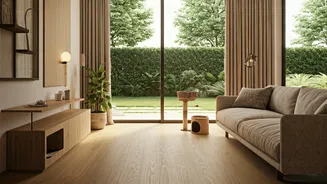
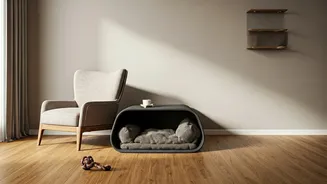
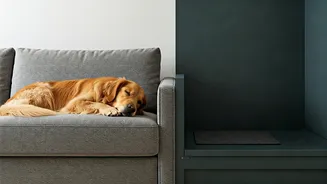
This movement goes far beyond surfaces. We are now in the age of ‘barkitecture’—architecture and interior design built specifically with pets in mind. Instead of a clumsy food bowl in the corner, new homes feature built-in feeding stations that slide out from a kitchen island. Mudrooms are being designed with integrated, waist-high dog-washing stations complete with handheld sprayers, making post-walk clean-ups a breeze. For cat owners, designers are creating stylish ‘catios’ (enclosed cat patios) for safe outdoor access and incorporating elegant wall-mounted shelves and perches that double as sculptural art. Even furniture is being redesigned. You can now find side tables with built-in dog beds and sofas with wide, sturdy arms perfect for a cat to perch on. These aren't afterthoughts; they are integral, planned features of the modern home.
A Seamless and Stylish Co-existence
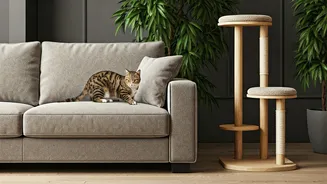
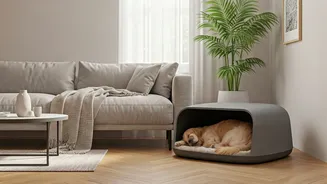
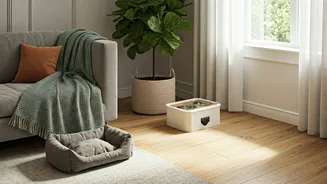
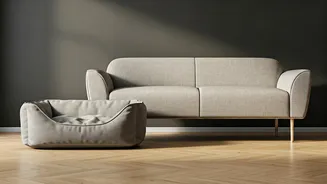
Ultimately, the new era of pet-friendly design is about aesthetics as much as practicality. The clunky, carpeted cat tree and the drab orthopedic dog bed are becoming things of the past. The market is now flooded with high-end pet furniture designed to blend seamlessly with sophisticated human decor. You can find miniature mid-century modern sofas for your pug, sleek cat towers made from natural wood, and ceramic food bowls that look like artisanal pottery. This isn't about spoiling pets with luxury for its own sake. It’s about maintaining a cohesive design aesthetic. Pet owners no longer have to choose between a beautiful home and a happy pet; the industry has finally realised they can, and should, have both. This ensures the home remains a sanctuary of style and comfort for every member of the family.