




Why Drainage Is a Plant's Best Friend
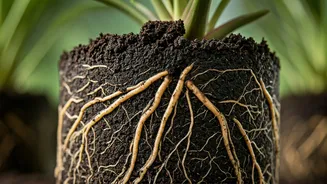
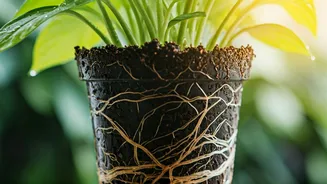
Before any greenery can flourish, its roots need the right environment. The biggest threat to a potted plant is not a lack of water, but an excess of it. When water has nowhere to go, it fills the air pockets in the soil, effectively drowning the roots.
This condition, known as root rot, is a common and often fatal issue for balcony gardens. Plants with rotting roots cannot absorb nutrients, leading to yellowing leaves, wilting, and stunted growth—even when the soil feels moist. Ignoring drainage is like building a house without a foundation; everything that comes after is on shaky ground. Proper drainage allows excess water to escape, keeping the soil perfectly moist but not waterlogged, creating the ideal balance of water and oxygen for healthy root development.
The Undeniable Basics: Holes and Soil
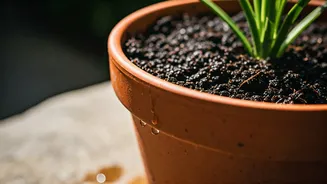
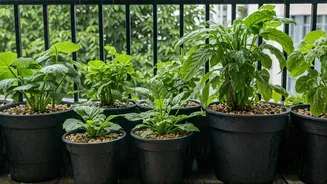
The most fundamental element of drainage is simple: your pots must have holes at the bottom. Many decorative planters come without them, intended to be used as cachepots—a decorative outer shell for a plain nursery pot. If you plan to plant directly into a container, it must allow water to exit freely. If your chosen pot lacks holes, you can often drill them yourself. The second critical component is your growing medium. Never use dense garden soil in containers; it compacts easily, holds too much water, and prevents air from reaching the roots. Always opt for a high-quality, lightweight potting mix specifically formulated for containers. These mixes are designed to be fluffy and free-draining while still retaining enough moisture.
Rethinking the 'Drainage Layer' Myth
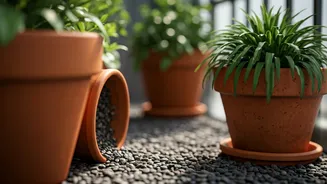
For decades, gardeners were taught to add a layer of gravel, rocks, or broken pottery to the bottom of pots to improve drainage. However, modern horticulture has shown that this practice is not only unnecessary but can be harmful. Instead of helping water escape, this coarse layer creates what is known as a "perched water table." Water does not easily move from the fine-textured soil to the coarse-textured gravel layer below. It collects in the soil just above the gravel, raising the water level and forcing your plant's roots to sit in a saturated zone, which increases the risk of root rot. The most effective way to ensure good drainage is to use a suitable potting mix throughout the entire pot and ensure the drainage holes are clear.
Elevate for Success and a Clean Balcony
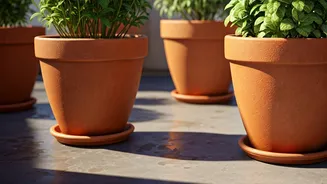
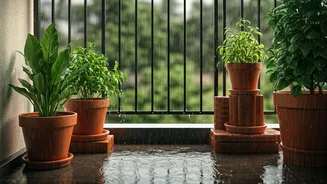
Even with holes, a pot sitting flat on a concrete or tiled balcony floor can have its drainage blocked. This traps water underneath, leading to stained surfaces and constantly wet soil at the base of the pot. The simple solution is to elevate your containers. Using pot feet, small stands, or even simple blocks lifts the planter just enough to allow water to drain away and air to circulate underneath. This prevents water from pooling and protects your balcony floor from moisture damage and algae growth. It's a small adjustment that makes a significant difference in both plant health and the cleanliness of your outdoor space.
Function First, Then Comes the Fun
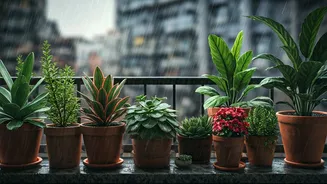
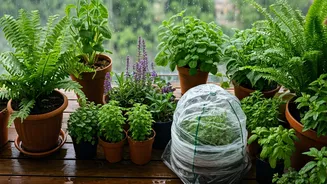
Once your functional foundation is in place—pots with holes, the right soil, and elevation—it's time for decoration. Now you can confidently place your well-draining nursery pots inside those beautiful decorative cachepots without drainage holes. You can arrange your pots on stylish tiered stands or shelves, knowing the system is built for success. Group plants with similar water needs together to simplify your watering routine. Focus on varying heights and textures to create visual interest. You might use lightweight fiberglass or resin planters to manage weight on the balcony, or secure railing planters that are designed with both aesthetics and drainage in mind. By prioritising drainage before decoration, you ensure your beautiful balcony garden doesn't just look good for a week, but thrives for the entire season and beyond.