





Art with a Conscience
One of the most striking trends in 2026 is the rise of pandals with a strong social or environmental message. At the forefront is Rajdanga Naba Uday Sangha's theme, 'Shodhan' (Purification). This immersive installation imagines a dystopian future where
nature has been depleted, forcing a machine-dependent society to seek artificial oxygen. The unsettling yet thought-provoking concept asks visitors to reflect on urbanization and resource depletion. Similarly, Thakurpukur SB Park Sarbojanin's 'Colliery' theme shines a light on the harsh lives of coal miners, even addressing the dark reality of coal smuggling. Another pandal, Nalin Sarkar Street Sarbojanin's 'Jalalipi' (Water Script), tackles the urgent need to protect the Ganga from pollution, portraying the goddess as its saviour. These themes show a move beyond mere decoration towards using the massive public platform to spark dialogue.
Reimagining History and Heritage
While some pandals look to the future, many are diving deep into the past to tell unique stories. Dum Dum Park Tarun Sangha's theme, 'Beniya Kotha' (A Merchant's Tale), transports visitors to Bengal's prosperous maritime era. The entire structure is designed as an ancient merchant ship docked on a simulated body of water, complete with terracotta motifs and nautical details, narrating forgotten legends of Bengal's voyages. Meanwhile, Santosh Mitra Square is celebrating 150 years of India's national song with its 'Vande Mataram' theme, complete with a light-and-sound show about the freedom struggle and Partition. At Alipore, the epic Ramayana is being recreated through artistic installations and paper craft, marking the committee's 81st year. These pandals act as living history lessons, making distant events feel immediate and relevant.
Grandeur in Architecture and Craft
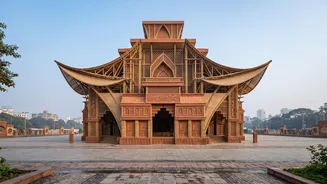
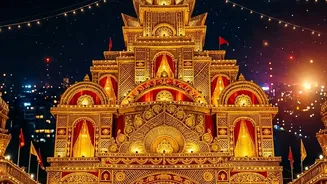
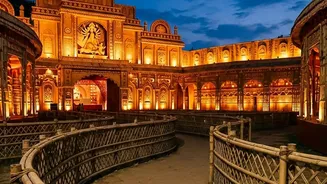
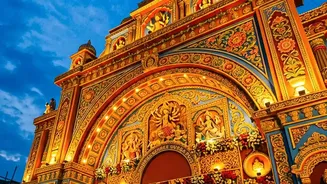
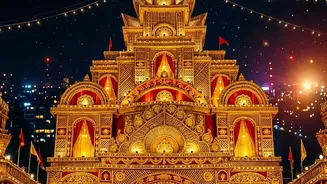
The tradition of recreating famous landmarks continues with breathtaking scale in 2026. Sreebhumi Sporting Club, known for its ambitious projects, has constructed a replica of Jaipur's iconic Hawa Mahal. Likewise, Ekdalia Evergreen Club has modelled its pandal on Gujarat's historic Somnath Temple, and Mohammad Ali Park has recreated the feel of a Chola-era South Indian temple. But storytelling also lives in the details. Hazra Park Durgotsab is celebrating Bengal’s folk-art heritage by incorporating handcrafted dolls, Dokra, and terracotta. Shibmandir Sarbojanin draws inspiration from Rajasthan's Gangaur folk festival for its theme 'Porob: The Celebration of Togetherness'. These approaches demonstrate two sides of the same coin: bringing the world to Kolkata, and showcasing Bengal's own rich cultural tapestry to the world.
Innovation in Material and Form
The uniqueness of 2026 is also defined by the materials used. Sustainability has become a key narrative, with a major trend towards eco-friendly and recycled items. Tridhara Sammilani has captured city-wide attention with a 5.5-foot Durga idol made from approximately 13,000 recycled plastic pens. Created by artist Chandra Nath Saha, the sculpture sends a powerful message about waste and creativity, and will be dismantled for recycling after the festival. Many committees are prioritizing biodegradable materials like bamboo, jute, and clay from local artisans. At the same time, modern materials like fibreglass are being used for decorative structures to ensure artistic quality while reducing environmental strain. This fusion of the traditional with the sustainable is a story in itself, reflecting a festival adapting to the needs of the 21st century.