






The Era of Appointment Viewing
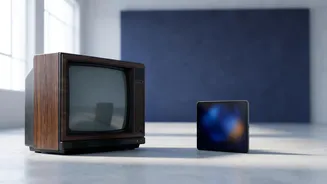
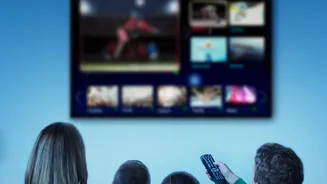
For decades, the television was the undisputed heart of the Indian household. From the early days of a single Doordarshan channel to the satellite TV boom of the 90s, life was scheduled around it. Entire families would gather, arranging their evenings
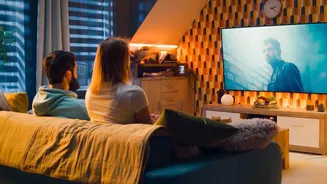
to catch the latest episode of a blockbuster serial. Daily soaps became a cultural phenomenon, with their dramatic plot twists and cliffhanger endings fueling conversations at work, school, and social gatherings the next day. This 'appointment viewing' created a powerful, collective experience. The TV wasn't just an appliance; it was a social anchor that brought different generations together in a shared ritual, with sofas and chairs arranged in loyal deference to the screen.
The Arrival of On-Demand Entertainment
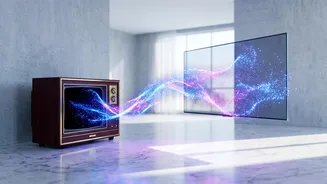
The transformation began with the proliferation of affordable smartphones and, crucially, high-speed, low-cost data plans. This digital wave brought with it a tsunami of Over-The-Top (OTT) streaming services like Netflix, Amazon Prime Video, and Disney+ Hotstar. Suddenly, entertainment was no longer tied to a broadcast schedule. Viewers were liberated from the tyranny of the TV guide, gaining the power to watch what they wanted, when they wanted, and where they wanted. The concept of waiting a week for the next installment was replaced by the irresistible lure of 'binge-watching' an entire season in a single weekend. This shift marked the end of the TV's monopoly on the living room's attention.
From One Screen to Many
The most profound change has been the fragmentation of the viewing experience. While families might still gather in the same living room, they are often in entirely different worlds. The single, communal screen has been usurped by a multitude of personal devices—smartphones, tablets, and laptops. One person might be catching up on an international thriller with headphones on, another watching a regional comedy on their phone, and a third scrolling through short-form videos. This shift from collective viewing to 'personalized escapism' means the living room is now a space of simultaneous, individualised consumption. The shared experience has become a collection of solitary ones happening in parallel.
A New Content Universe
The content itself has diversified dramatically. While TV soaps traditionally catered to a broad, family-oriented audience, streaming platforms offered a vast and varied menu. They introduced Indian viewers to global productions, niche genres, and gritty, realistic storytelling that would never have passed muster on primetime television. This created opportunities for new kinds of creators and stories, including a surge in high-quality regional language content that found a nationwide audience. However, as streaming platforms have sought mass adoption, a new trend has emerged: they are increasingly producing and acquiring more inclusive, family-friendly content, sometimes even bringing popular TV shows onto their platforms to capture a wider demographic that was previously loyal to television.
Redefining the Living Room Space
This cultural shift is even being reflected in interior design. The television is no longer always the focal point around which all furniture is arranged. Modern living rooms are being designed as multipurpose, conversational spaces. Furniture is becoming more flexible and modular, intended to foster interaction rather than passive viewing. While Connected TVs are bringing streaming to the big screen and creating new forms of family viewing, the overall trend is a move away from a single, dominant entertainment source. The living room is evolving from a mini-theatre into a dynamic social hub where technology and tradition are finding a new, sometimes complicated, balance.