







The Pitfalls of Anecdotal Advice
Relying on friends or social media for travel advice is convenient but often flawed. A friend who visited a destination last year might remember gentle drizzles, but that has no bearing on this year's intense rainfall. Anecdotes are personal and static;
they don't account for the dynamic and sometimes severe nature of India's monsoon, which can vary dramatically year by year and even day by day. This kind of planning often leads to disappointment, whether it's being stranded by a landslide that a friend didn't experience or packing for a drizzle and facing a deluge. Group chats are great for coordinating, but they are poor substitutes for objective, real-time information.
Upgrade Your Weather Intelligence
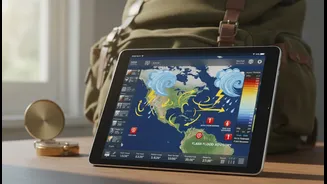
The first step in data-driven planning is to move beyond a simple “rain or no rain” forecast. Modern weather apps provide a wealth of information. The government's official 'Mausam' app, developed by the India Meteorological Department (IMD), offers district-level forecasts, radar imagery, and severe weather warnings. Apps like AccuWeather offer features like minute-by-minute precipitation forecasts, while Skymet Weather is known for its monsoon tracking. Look for details like precipitation intensity (measured in mm/hour), hourly forecasts, and wind speed. This granular data helps you understand if you're facing a light shower perfect for a walk or a downpour that requires staying indoors.
Consult the Past for Future Plans
While daily forecasts are essential for immediate plans, historical data helps you set realistic expectations for your trip. Understanding the typical climate for your destination during your chosen month is invaluable for packing and planning activities. Websites like the Climate Change Knowledge Portal and other meteorological archives offer historical rainfall and temperature data for various regions across India. Knowing that a particular hill station typically receives heavy rainfall in July allows you to pack waterproof gear, book refundable stays, and build flexibility into your itinerary from the start, transforming potential frustration into planned relaxation.
Track Real-Time Ground Conditions
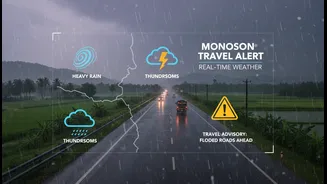
Rain is only half the story; its impact on the ground is what truly affects travel. Landslides, waterlogging, and road closures are common risks during the monsoon. Before and during your trip, use apps that provide live traffic updates and road condition alerts. Navigation apps like Waze and Mappls offer real-time, crowd-sourced information on traffic jams, road blocks, potholes, and other hazards. Many state police departments and disaster management authorities also run websites or social media channels with critical local advisories. Checking these resources before heading out can save you from getting stuck for hours or taking a risky route.
Embrace Flexibility and Local Knowledge
Ultimately, the goal of using data isn't to control the weather but to adapt to it. Monsoon travel demands flexibility. Even with the best data, conditions can change unexpectedly. A trek might be cancelled or a road might close. Instead of letting it ruin your trip, have backup plans. This is where local intelligence becomes your final, crucial data point. Your hotel manager, local guides, and drivers have the most current, on-the-ground information. They know which roads are safe and which local spots are best enjoyed in the rain. Combining your digital research with their real-world expertise is the key to a successful and enjoyable monsoon adventure.