





What Exactly Is Plant-Based Fusion?
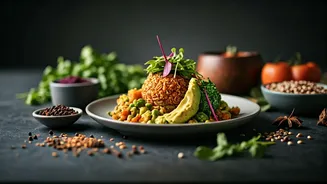
Let’s get one thing straight: this isn't your average vegetarian thali or a simple avocado toast. Plant-based fusion is a culinary movement built on creativity and borderless flavour. It’s about chefs using vegetables, fruits, grains, and legumes as their
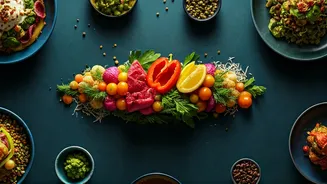
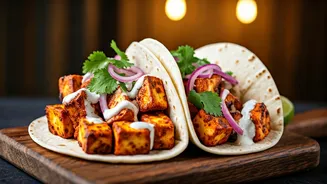
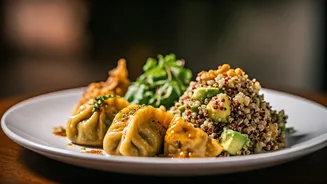
primary canvas, then applying techniques and flavour profiles from different cuisines to create entirely new dishes. Imagine a Mexican-inspired taco filled with jackfruit prepared like a South Indian curry, or a delicate Japanese gyoza stuffed with spiced mushrooms that echo the flavours of a galouti kebab. The 'plant-based' part signals a shift away from meat as the centrepiece, while 'fusion' represents the exciting, rule-breaking approach to cooking. It’s less about restriction and more about radical imagination.
The Driving Forces Behind the Trend
So, why is this happening now? It’s a perfect storm of three major cultural shifts. First, there's the global wellness movement. Diners are more conscious than ever about what they eat, seeking lighter, healthier options that don't compromise on taste. Second, environmental awareness is at an all-time high. A plant-forward diet is widely recognised as one of the most impactful personal choices for a sustainable future, and diners are voting with their wallets. Finally, there’s culinary curiosity. After years of globalisation and internet food culture, palates have become more adventurous. In India, a country with a deep-rooted history of vegetarianism, this trend feels like a natural evolution. It takes our inherent love for vegetables and gives it a modern, global twist, appealing to a generation that grew up watching international food shows and craves new experiences.
A Taste of the Future Menu
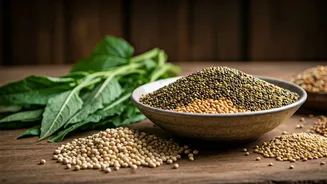
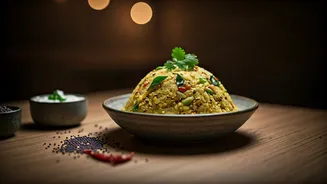
The beauty of plant-based fusion lies in its limitless possibilities. Chefs are no longer trying to just 'replace' meat; they're celebrating vegetables for their unique textures and flavours. Picture menus in 2026 featuring dishes like: Millet Risotto with a Kashmiri morel and saffron-infused sauce, combining Italian technique with Himalayan ingredients. Smoked Tofu Bao Buns with a spicy Goan balchão-style glaze, merging Taiwanese street food with coastal Indian fire. Or how about a Deconstructed Samosa, where the spiced potato and pea filling is transformed into a creamy puree served with crispy, wafer-thin pastry shards and tamarind gel? These dishes aren't about imitation; they are about innovation. They respect the integrity of the plant while pushing the boundaries of what we thought was possible.
India at the Culinary Crossroads
Indian chefs are uniquely positioned to lead this charge. With the world's most diverse vegetarian culinary heritage, they have an incredible library of techniques and flavours to draw from. We're already seeing this in progressive restaurants across Mumbai, Delhi, and Bengaluru. Chefs are re-examining regional recipes and humble ingredients through a modern lens. The humble kathal (jackfruit) is being slow-cooked and pulled for sliders. The versatile banana flower is being minced for 'cutlets' served with a Thai-style sweet chilli sauce. They are using fermentation, smoking, and sous-vide techniques to unlock new dimensions in ingredients we’ve known for centuries. This isn't about abandoning tradition but about building upon it, creating a new, exciting chapter in the story of Indian food.
Beyond the Restaurant Kitchen
This movement won't be confined to fine-dining establishments. As demand grows, expect to see its influence ripple across the food industry. Supermarket shelves will likely stock more sophisticated plant-based products, from artisanal vegan cheeses infused with Indian spices to ready-to-cook meal kits for dishes like mushroom rendang or lentil moussaka. Home cooks, inspired by online tutorials and a new generation of food influencers, will become more experimental. The focus will shift from simply cooking vegetables to truly transforming them. The kitchen of 2026 won't just be a place for preparing meals; it will be a laboratory for flavour, where a head of cauliflower holds as much potential as any cut of meat.