







Why 'Peak Season' Is Losing Its Shine
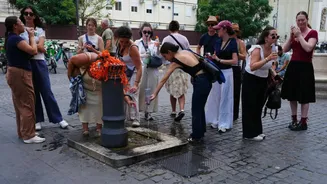
For decades, travel was simple. Summer in Europe, winter in the Caribbean, spring in Japan. But a combination of factors has scrambled this calendar. Climate change is a major driver, bringing blistering, uncomfortable, and sometimes dangerous heatwaves
to Mediterranean hotspots in July and August. Unpredictable weather patterns, from delayed monsoons in Southeast Asia to atmospheric rivers in California, have made traditional 'good weather' windows less reliable. Add to this the post-pandemic travel boom, which has seen crowds and prices at historical highs during peak seasons. Travellers are realising that sticking to the old schedule often means paying more for a less comfortable and more crowded experience. The 'perfect' travel month is no longer a given; it has to be strategically found.
The Shoulder Season Advantage
The smartest travellers are now experts in the 'shoulder seasons'—the periods just before and after peak season, typically April-May and September-October in the Northern Hemisphere. The benefits are undeniable. The weather is often more pleasant and mild than the peak-summer heat or mid-winter chill. Think sunny, crisp autumn days in Rome without the oppressive humidity, or blooming landscapes in Greece without the throngs of tourists. Airlines and hotels, eager to fill rooms and seats during these slightly slower periods, offer significantly lower prices. The result? You get a more authentic, comfortable, and affordable trip. Visiting Paris in early October instead of July means shorter queues at the Louvre and a more pleasant stroll along the Seine. It’s a classic win-win.
Leverage Technology for Climate Planning
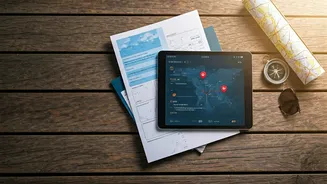
Being weather-smart goes beyond checking the 10-day forecast on your phone just before you pack. It involves deeper, long-range planning using sophisticated tools. Savvy travellers are using climate data websites—like the National Oceanic and Atmospheric Administration (NOAA) in the US or Europe's Copernicus Climate Change Service—to look at historical weather patterns. These resources can tell you the average rainfall, temperature, and sunshine hours for a specific region month by month. Specialised travel apps and websites are also emerging. Some platforms allow you to search for destinations based on desired weather conditions. For example, instead of searching 'flights to Spain in March,' you can search for 'sunny and 20°C destinations in March,' opening up a world of possibilities you might not have considered.
Pack Smart and Build a Flexible Itinerary
Weather-smart travel also means accepting that perfect weather is never guaranteed. The key is preparation and flexibility. Instead of packing for one type of weather, think in layers. A lightweight waterproof jacket, a warm fleece, and breathable base layers can prepare you for anything from a sudden downpour in the Scottish Highlands to a cool evening in coastal Portugal. More importantly, build flexibility into your itinerary. Don't pre-book every single hour of your trip. Have a 'Plan A' for sunny days (like hiking or beach time) and a 'Plan B' for rainy ones (like visiting museums, taking a cooking class, or exploring covered markets). This mindset shift turns a potential 'bad weather' day from a disappointment into a different kind of adventure.
Rethink Your Destination Bucket List
Finally, weather-smart travel encourages us to be more creative with our destination choices. Instead of being fixated on a single country, focus on the experience you want. If your goal is a warm, sunny beach holiday in April, you might default to the Caribbean. But a weather-focused search might point you towards less-crowded and equally beautiful spots in Northern Africa, the Canary Islands, or even parts of the Middle East. This approach helps distribute tourism away from over-crowded hotspots and introduces you to incredible places that weren't on your radar. By letting climate guide your choice, you not only get the weather you want but also often discover a more unique and memorable destination.