







The Predictable Monsoon Mayhem
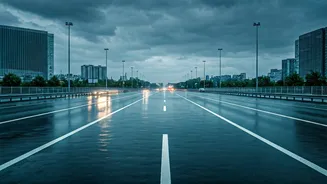
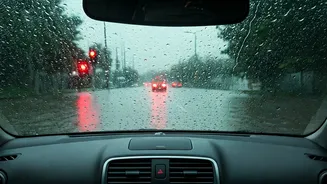
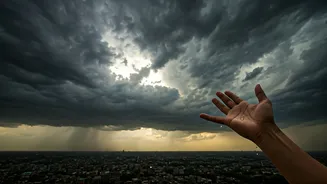
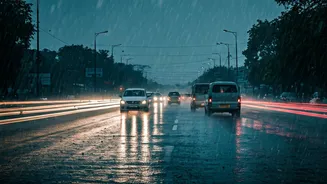
For Delhi commuters, the arrival of the monsoon is a double-edged sword. While it brings relief from the scorching heat, it also ushers in a period of travel misery. Even a short, intense spell of rain can trigger a domino effect across the city, turning
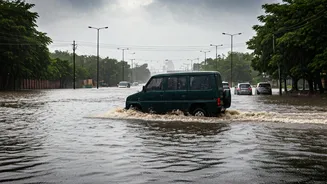
arterial roads into parking lots and underpasses into impassable water bodies. Authorities have identified hundreds of waterlogging hotspots, with locations like the Minto Bridge, Pragati Maidan tunnel, and stretches of the Ring Road being particularly vulnerable year after year. Despite annual desilting drives and preparations, the sheer volume of rain often overwhelms the city's drainage infrastructure, leading to widespread disruption that can derail an entire day.
Why Your Fixed Departure Time Is a Gamble
Leaving for work at the same time every day is a strategy that works perfectly—until it doesn't. During the monsoon, this routine becomes a high-stakes gamble. A sudden downpour just before you leave can mean the difference between a normal commute and a three-hour ordeal. Relying on a fixed schedule ignores the most critical variable: the weather. A weather-smart approach means shifting from a rigid departure time to a flexible window, allowing you to make a more informed decision based on real-time conditions and short-term forecasts. It’s about being proactive rather than reactive, and it can save you immense time and frustration.
Your New Digital Toolkit
The single biggest advantage commuters have today is the technology in their pockets. A combination of weather and navigation apps can provide a powerful, predictive view of the journey ahead. Start with a reliable weather app like Meteored or the official 'Mausam' app from the India Meteorological Department (IMD) to check for rain alerts. Then, layer that with real-time traffic data from Google Maps or a Swadeshi alternative like Mappls. These apps not only show current congestion but also offer alerts for road closures and waterlogging. Some advanced apps like Navver even attempt to fuse weather forecasts directly onto your route, helping you see where trouble might brew. The key is to consult these tools before you are about to step out, not when you are already stuck.
Decoding Official Advisories
Beyond personal apps, staying informed through official channels is crucial. The IMD issues colour-coded alerts (yellow, orange, red) that signify the potential impact of weather events. An orange alert, for example, is a signal to be prepared for potentially disruptive weather. The Delhi Traffic Police also frequently uses its social media channels, particularly X (formerly Twitter), to post real-time updates on waterlogged areas, diversions, and traffic snarls. Following these official accounts provides a macro-level view of the city's traffic situation, helping you avoid entire corridors that have become choked due to rain.
Low-Tech Strategies for a Smarter Commute
Technology is a great enabler, but common sense and practical planning are just as important. During peak monsoon, build a 'travel buffer' of at least 30-45 minutes into your schedule, especially on days with a high rain forecast. If your work allows for flexibility, discuss the possibility of adjusted start times or a temporary work-from-home arrangement on days with severe weather warnings. Communication is also key. A quick check-in with colleagues who use a similar route can provide invaluable on-the-ground intelligence that no app can match. Simply knowing that a particular flyover is already waterlogged can help you reroute before you even leave home.