





Why the Monsoon Is a Danger Zone
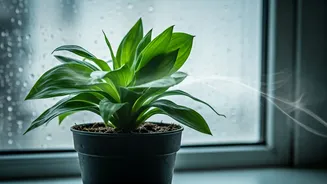
During the monsoon season, the air is heavy with moisture, and overcast skies mean less sunlight and evaporation. Your plant's soil, which might dry out in a few days during summer, can stay waterlogged for much longer. This is the core of the problem.
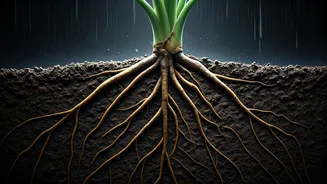
Plant roots need oxygen to survive, which they absorb from air pockets in the soil. When soil is saturated, these pockets fill with water, effectively suffocating the roots. This oxygen-deprived, damp environment is the perfect breeding ground for fungi and bacteria that cause roots to decay, a condition known as root rot.
Spotting the Signs of Trouble
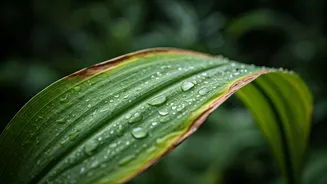
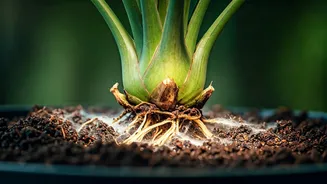
Root rot is sneaky because the first symptoms appear above ground and often mimic the signs of a thirsty plant. You might see leaves turning yellow, wilting, or drooping even when the soil feels moist. This happens because the decaying roots can no longer absorb water and nutrients to send to the rest of the plant. Other warning signs include stunted growth, new leaves that are smaller than usual, or a generally unhealthy appearance. If you suspect a problem, the most reliable way to check is to inspect the roots. Healthy roots are typically firm and white or light tan. Rotten roots will be brown or black, feel soft and mushy, and may even have a foul, unpleasant smell.
Prevention: Your First Line of Defence
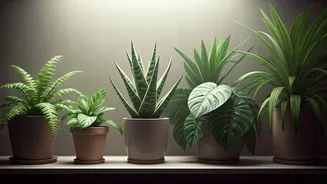
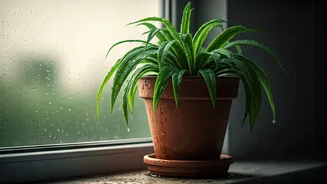
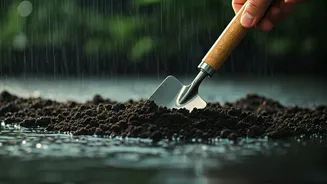
The best way to deal with root rot is to prevent it from ever starting. During the monsoon, you must adjust your care routine. First, change how you water. Never water on a fixed schedule. Instead, always check the soil first by sticking your finger about two inches deep. If it feels moist, wait another day or two before checking again. Second, ensure your pots have excellent drainage. Pots must have drainage holes at the bottom. It's also wise to remove any saucers that collect water or to place pots on feet or bricks to allow excess water to drain away freely. Third, consider your soil mix. A heavy, dense soil will retain too much water. Amending your potting mix with perlite, sand, or coco coir can significantly improve aeration and drainage, which is crucial during humid months.
Emergency Care for a Rotted Plant
If you've confirmed your plant has root rot, you need to act fast, but it may still be possible to save it. Gently remove the plant from its pot and wash away as much of the old soil as possible to get a clear look at the root system. Using a clean, sharp pair of scissors or pruners, carefully trim away all the brown, mushy, and dead roots. Be thorough, as any infected roots left behind can allow the rot to spread again. If you've had to remove a significant portion of the roots, it's a good idea to also prune back about one-third of the plant's leaves. This reduces the stress on the remaining roots, as they have less foliage to support. Finally, repot the plant in a clean pot with fresh, well-draining soil. Water it lightly and place it in a spot with bright, indirect light as it recovers.