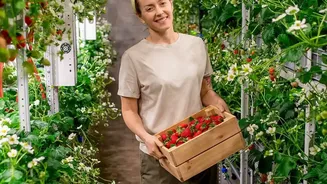



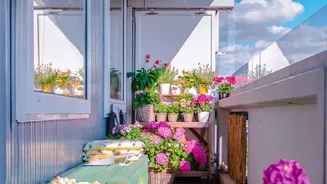

Imagine plucking sweet, sun-ripened strawberries right from your balcony. For most city dwellers, this feels like a distant dream. But with smart vertical gardening hacks, even the tiniest metro balcony can become a fruitful organic oasis.
Why Going Vertical is a Game-Changer
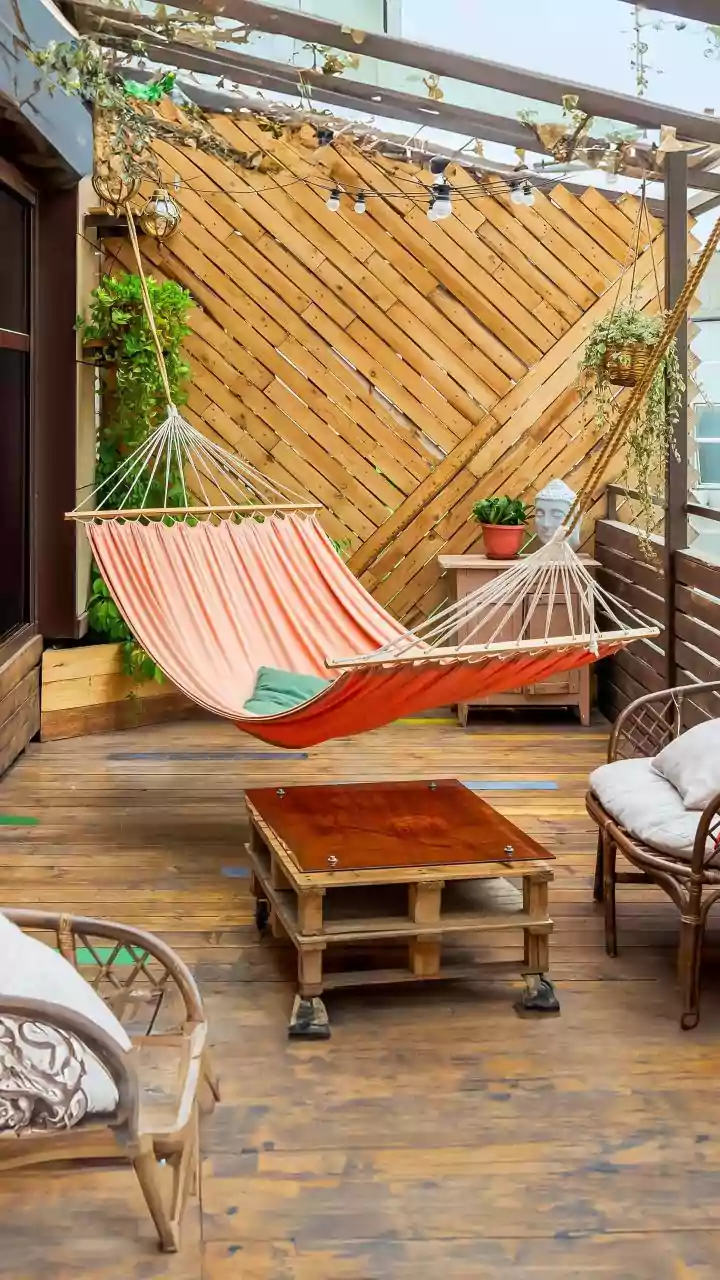
Apartment living
in India's metros often means sacrificing garden space. A tiny balcony is usually all you get. Vertical gardening flips this limitation on its head by using upward space instead of outward sprawl. By stacking plants, you can multiply your growing area significantly. This method is perfect for strawberries, which have relatively shallow root systems and thrive in containers. Growing them vertically not only saves space but also keeps the delicate fruit off the ground, reducing the risk of rot and making them harder for pests like slugs and snails to reach. It’s a simple, efficient way to turn a few square feet of concrete into a productive food source.
Choosing Your Vertical Planter
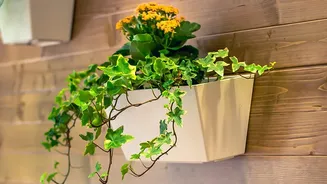
The market is filled with options, from ready-made towers to DIY solutions. Stackable planters, often with multiple pockets, are a popular choice as they are space-efficient and sometimes feature self-watering systems that distribute moisture from the top tier down. Hanging baskets and wall-mounted fabric pockets are other great alternatives that free up floor space entirely. For a budget-friendly 'hack', you can create your own vertical planter from PVC pipes with holes cut for plants, or by stacking recycled 5-gallon buckets. The key is to ensure any planter you choose has excellent drainage holes, as strawberries hate waterlogged soil.
The Right Soil and Strawberry Variety
For organic growth, the soil is everything. Never use heavy garden soil in containers; it compacts easily and suffocates the roots. Instead, opt for a high-quality, lightweight potting mix, ideally one enriched with organic matter like compost or vermicompost to provide essential nutrients. When it comes to the plants, look for 'everbearing' or 'day-neutral' strawberry varieties. Unlike 'June-bearing' types that produce one large crop, these varieties yield fruit throughout the growing season, making them ideal for a steady home supply. Starting with healthy saplings from a nursery is often easier than starting from seeds.
Sunlight, Water, and Organic Nutrients
Strawberries need sun to produce the sugars that make them sweet. Find the sunniest spot on your balcony, as they require at least six to eight hours of direct sunlight per day. Watering is crucial for container plants because they dry out much faster than those in the ground. Check the soil daily; if the top inch feels dry, it's time to water thoroughly until you see it drain from the bottom. To keep your setup organic, feed your plants every few weeks with a natural liquid fertiliser, like one derived from seaweed, or mix a slow_release granular organic fertiliser into the soil at planting time.
Care and Natural Pest Control
One of the most important planting tips is to keep the 'crown' of the strawberry plant—the part where the leaves emerge from the roots—at or just above the soil level. Burying the crown can cause it to rot. As for pests, balconies are not immune. Aphids and spider mites can be common issues. A simple spray of neem oil solution or soapy water can help manage these pests organically. Regularly inspect the undersides of leaves to catch any problems early. Good air circulation around the plants, which vertical planters naturally promote, also helps prevent fungal diseases.