





The Science: How Humidity Affects Your Skin
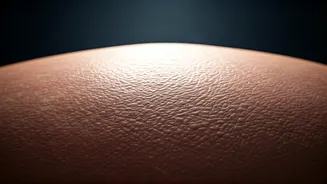
Humidity, or the amount of moisture in the air, directly influences your skin's behaviour. In high humidity, your sebaceous glands are triggered to produce more oil (sebum). This excess oil then mixes with sweat, dirt, and dead skin cells, creating a sticky
film that can clog pores and lead to breakouts. This environment is also ideal for the growth of acne-causing bacteria. Conversely, low humidity can dehydrate the skin. When your skin becomes dry, it might try to compensate by producing even more oil, which can also result in clogged pores and acne. Dry air can also weaken the skin's natural protective barrier, making it more susceptible to irritation and inflammation.
High Humidity: Managing Sweat and Shine
Living in a hot, humid climate like many parts of India, especially during monsoon season, creates a perfect storm for acne. The combination of heat and moisture opens up pores, making them more likely to collect dirt and oil. This can also lead to a higher prevalence of fungal acne, which thrives in warm, moist conditions and may not respond to typical acne treatments. To combat this, it’s crucial to keep the skin clean without stripping it of its natural oils. Over-washing can backfire, causing the skin to produce even more oil in response. Additionally, sweat-soaked clothing can trap bacteria against your skin, leading to breakouts on your back and chest.
Skincare Tips for Humid Climates
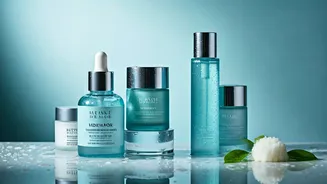
When the air is heavy with moisture, adapt your routine accordingly. First, cleanse gently twice a day. Look for cleansers with ingredients like salicylic acid to help dissolve oil and exfoliate, but avoid harsh, alcohol-based products. Switch to lightweight, non-comedogenic (pore-clogging) products. Gel-based or water-based moisturisers and sunscreens are ideal as they hydrate without adding extra grease. Regular, gentle exfoliation 1-2 times a week is also key to helping slough off dead skin cells that can contribute to congestion. Finally, simple lifestyle habits like changing your pillowcases frequently, avoiding touching your face, and showering right after workouts can make a significant difference.
Low Humidity: The Dry Skin Dilemma
On the flip side, dry air—common in winter or arid regions—poses its own set of challenges. Low humidity strips moisture from your skin, compromising its protective barrier. A weakened barrier is more prone to irritation and can't effectively protect against bacteria, which can trigger inflammatory acne. People with dry skin may mistakenly use harsh acne products that contain drying ingredients like alcohol, which only exacerbates the problem by further stripping the skin of essential moisture. The goal in a dry climate is to treat acne while simultaneously providing intense hydration to repair and support the skin barrier.
Skincare Tips for Dry Climates
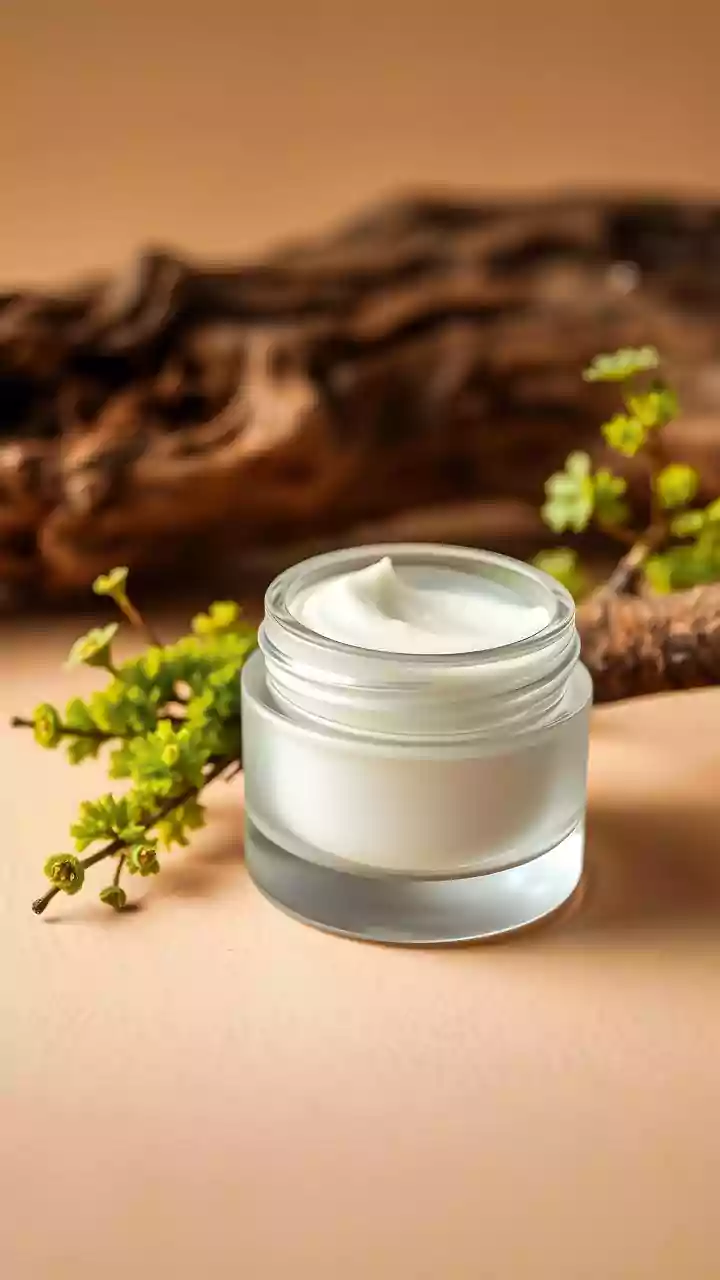
In low humidity, focus on hydration and barrier repair. Switch to a gentle, hydrating, cream-based cleanser that won’t strip your skin. Moisturising is non-negotiable; apply a richer, non-comedogenic moisturiser while your skin is still damp to lock in hydration. Look for products with soothing and hydrating ingredients like hyaluronic acid, ceramides, and niacinamide. Avoid hot water when washing your face, as it can strip away natural oils. Introducing a humidifier in your bedroom can also help add moisture back into the air while you sleep, preventing overnight water loss from your skin. When treating breakouts, opt for gentler acne-fighting ingredients like lower-concentration salicylic acid to avoid excessive dryness.