

The Great Un-Staging
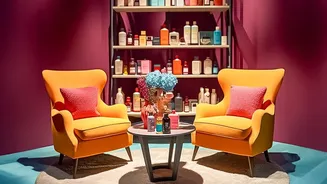
The formal drawing-room, a space reserved almost exclusively for guests, was long a staple of Indian homes. It was designed to impress, with imposing furniture and vast, empty floors intended to signal affluence. This room was often a pristine, untouchable
chamber, while the family crowded into smaller, more functional areas for daily life. However, this concept is rapidly fading. According to designers, the contemporary Indian home is witnessing a decisive shift away from rooms designed for display and towards spaces built around actual experience. The living room is no longer just a formal reception area but a fluid, personal setting for everything from work and reading to family entertainment.
The Rise of the Hybrid Hub
The COVID-19 pandemic accelerated a trend that was already in motion: the transformation of the home into a multi-purpose hub. With remote work becoming a permanent fixture for many, living rooms have had to adapt, serving as offices, classrooms, and relaxation zones. This has driven a demand for functional, flexible furniture. Pieces that can serve multiple purposes, like a work desk that doubles as a dining table or an ottoman with hidden storage, are now highly sought after. This need for adaptability is particularly pronounced in compact urban homes where a single room must wear many hats throughout the day.
Comfort is the New Luxury
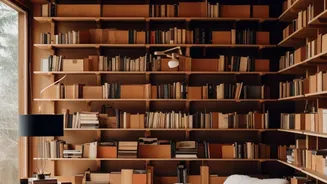
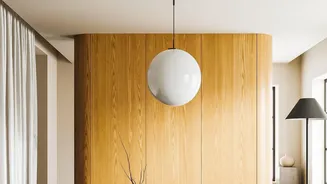
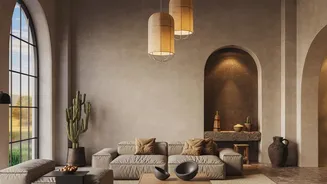
Today, luxury is less about visual grandeur and more about how a space feels. The aesthetic is softening, with a growing appreciation for tactile materials, bespoke details, and warm lighting. The cool grey and white palettes of the last decade are being replaced by warmer neutrals like beige, terracotta, and olive green, which feel cosier in Indian light. Sharp, boxy furniture is giving way to curved sofas and organic-shaped tables that make a room feel less rigid and are easier to navigate. Natural and handcrafted materials like solid wood, cane, and rattan are also making a strong comeback, valued for their durability and the sense of warmth they bring.
A Reflection of Changing Values
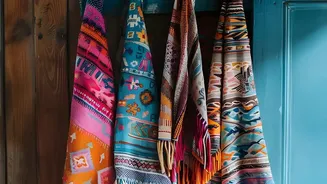
This design shift is more than just a trend; it's a psychological and generational one. Homeowners are questioning the inherited idea that a room must perform a specific social role. For younger generations like Millennials and Gen Z, the home is a sanctuary and a form of self-expression. They are creating spaces that are not just beautiful but meaningful, rejecting stark minimalism in favour of warmth and personality. There's a growing desire for authenticity, with an emphasis on handmade textiles, artisan decor, and pieces that tell a story. A home that reflects personal choices and provides emotional comfort is now seen as more valuable than one that simply looks like a showroom.