




Rethink Your Walk Routine
While daily walks are non-negotiable for a dog's physical and mental health, monsoon conditions demand adjustments. Instead of long strolls, opt for shorter, more frequent outings. Try to time walks for periods of lighter rain or in the early morning
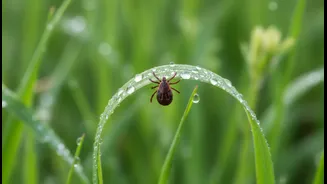
before the heaviest showers begin. A waterproof raincoat can keep your dog's core dry, but remember that no gear is foolproof. The primary goal is to minimize their exposure to contaminated water and prolonged dampness. Avoid allowing your dog to drink from puddles or stagnant water, which can be teeming with harmful bacteria like leptospirosis and parasites like giardia.
Prioritise Paw Hygiene
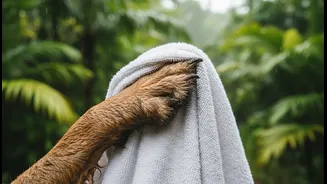
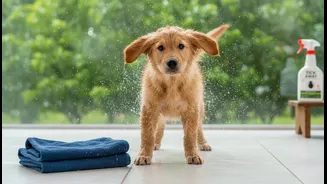
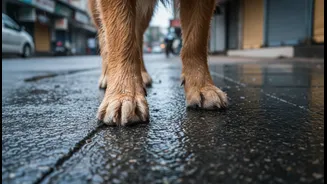
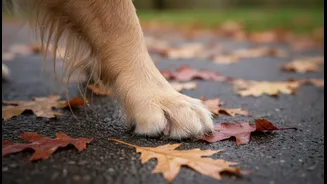
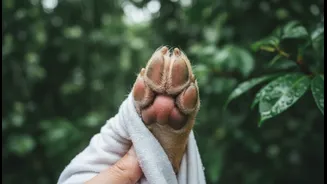
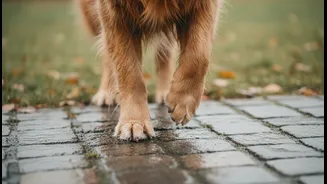
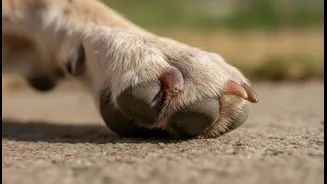
Paws are your dog's direct point of contact with the wet, muddy ground, making them vulnerable to infections. A simple but crucial habit is to clean and dry their paws thoroughly after every single walk. Keep a dedicated microfibre towel by the door for this purpose. Gently wipe between the toes and around the pads, checking for any debris, cuts, or irritation. For a deeper clean, you can use lukewarm water or pet-safe wipes. Keeping the fur between their paw pads trimmed can also help prevent mud and moisture from accumulating. This small step is one of the most effective ways to prevent painful fungal and bacterial infections.
Guard Against Skin and Ear Infections
The high humidity during the monsoon creates a perfect breeding ground for bacteria and fungi. A damp coat is a major risk factor for skin issues like acute moist dermatitis, commonly known as hot spots. After any exposure to rain, it's essential to dry your dog completely, right down to the skin. For dogs with thick or double coats, a quick towel-dry isn't enough; using a blow-dryer on a low-heat setting is much more effective. Ears also need special attention. The trapped moisture in a dog's ear canal can easily lead to painful yeast and bacterial infections, especially for floppy-eared breeds. Gently wipe their ears dry after walks and use a vet-recommended cleaner as part of your regular grooming routine.
Boost Indoor Enrichment
Shorter walks mean your dog has more pent-up energy and needs alternative outlets for stimulation. Boredom can lead to destructive behaviours like chewing or excessive barking. This is where indoor enrichment becomes key. Engage your dog with interactive games like tug-of-war with a soft toy, or a gentle game of fetch in a hallway. Mental exercise can be just as tiring as physical exercise. Use puzzle feeders, snuffle mats, or play scent games by hiding treats around the house for your dog to find. You can also use this indoor time to teach them new tricks, which strengthens your bond and keeps their mind sharp.
Adjust Their Diet and Environment
Monsoon is a high-risk season for gastrointestinal issues, often caused by contaminated water or food spoilage in the humid weather. Always provide fresh, clean drinking water, and consider using filtered or boiled water if your supply is unreliable. Stick to their regular, high-quality diet and avoid leaving wet or home-cooked food out for too long. Since their physical activity might be lower, you may need to slightly reduce their calorie intake to prevent weight gain. At home, ensure their bedding and living area are kept clean and dry to prevent fungal growth. Washing their bedding frequently in hot water is a good practice.