





A Year-Round Reality
For residents in cities like Bengaluru, Delhi, and Chennai, water scarcity is no longer confined to the hottest months of April and May. It's a persistent, year-round anxiety. The queues for water, the daily calculations of usage, and the reliance on expensive
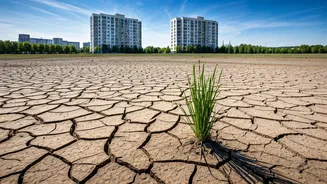
private tankers persist long after the summer heat has subsided. This chronic shortage, even in years with normal rainfall, signals a fundamental breakdown. The gap between the rain that falls and the water that reaches taps reveals that the problem is not a failure of nature, but of management. This crisis is structural, built over decades of fragmented governance and inadequate planning.
The Collapsing Foundation of Groundwater
Beneath the concrete surface of India’s expanding cities lies the invisible and most critical part of the crisis: groundwater depletion. For decades, cities have treated groundwater as an infinite backup plan, a savings account that was endlessly drawn from but never refilled. Today, that account is running empty. In many parts of Delhi, groundwater extraction exceeds 100%, meaning more water is pumped out than is replenished annually. Similarly, Bengaluru's rapid growth was fueled by thousands of borewells that have now run dry, a key factor in its recent severe shortages. This over-extraction is unsustainable. Aquifers that took centuries to form are being depleted in a matter of decades, leading not only to water scarcity but also, in some areas, to the land itself sinking.
Urban Growth at War with Water
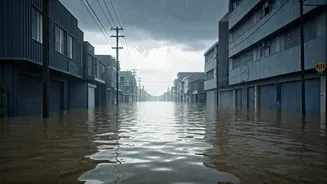
The crisis is compounded by the very nature of modern urban development. As cities have sprawled, they have systematically destroyed the natural infrastructure that once sustained them. Lakes, wetlands, and open green spaces that acted as natural sponges—absorbing rainwater and recharging groundwater—have been paved over for construction. Bengaluru is a classic example, where a historic network of interconnected lakes has been encroached upon and polluted, crippling the city's ability to retain water. This creates a jarring paradox seen across urban India: severe flooding during intense monsoon downpours, followed by acute water scarcity just months later. The rain arrives, but the city no longer has the capacity to absorb it.
A Climate of Uncertainty
Climate change is adding another layer of volatility to an already stressed system. India's monsoons, the lifeline for its water resources, are becoming more erratic. Instead of steady, consistent rainfall over several months, climate change contributes to longer dry spells punctuated by short, intense downpours. This pattern is disastrous for water management. The intense bursts of rain lead to floods and rapid runoff, with little water percolating into the ground to recharge depleted aquifers. Meanwhile, warmer temperatures increase evaporation from reservoirs. This means even when the total volume of rainfall for a season is near 'normal', its altered pattern and timing can worsen both floods and droughts.
Fragmented Governance, Systemic Failure
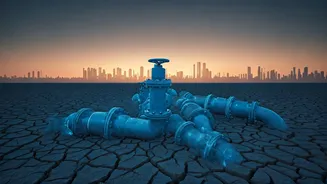
Ultimately, the water crisis is a crisis of governance. Responsibility for water management in urban areas is often split among multiple agencies—municipal corporations, water boards, and pollution control bodies—that work in silos with little coordination. This fragmented approach leads to inefficient distribution networks where a significant percentage of water is lost to leakages, aging pipes, and unauthorized connections. Furthermore, there is often a lack of accountability in water pricing, distribution, and quality control. Without an integrated strategy that addresses everything from rainwater harvesting and wastewater treatment to infrastructure upgrades and the protection of water bodies, cities are left fighting fires with short-term fixes that fail to address the systemic rot.