







From Mass-Produced to Meaningful
For generations, festive and corporate gifting in India followed a familiar pattern: boxes of mithai, trays of dry fruits, or generic chocolate assortments. While these gifts served their purpose, they often felt impersonal and transactional. The modern
Indian consumer, however, is looking for something more. There is a growing desire to give gifts that feel personal, considered, and unique. This has paved the way for the rise of the thoughtful hamper, a curated collection of items that tells a story and reflects the giver's taste and care. Instead of a single, mass-produced item, these hampers offer a diverse experience, introducing recipients to new flavours and brands.
The Powerful Pull of Health and Wellness
One of the biggest drivers of this trend is a nationwide shift towards health consciousness. Many shoppers are now wary of gifting items loaded with refined sugar and preservatives. Artisanal food hampers offer a perfect alternative. They are often filled with products perceived as healthier, such as organic honey, gourmet teas, roasted seed mixes, flavoured nuts, and millet-based snacks. This allows the giver to convey care for the recipient's well-being, making the gift feel more considerate and modern. This move aligns with a broader consumer trend where 'natural' and 'organic' have become markers of quality and care.
A Quest for Authenticity and Story
In a world of globalised brands, there is a powerful counter-trend favouring products with a story. Artisanal foods deliver this in abundance. Each item, whether it's cheese from a farm in Kumaon, single-origin coffee from Coorg, or jam made from a family recipe, comes with a narrative of its origin, its maker, and its unique process. This story adds a layer of depth and emotional resonance that mass-market products cannot replicate. Gifting a hamper of such items is not just giving food; it's sharing a discovery and offering an experience that feels exclusive and handcrafted.
Supporting Local and Homegrown Brands
The preference for artisanal hampers is also linked to a growing 'vocal for local' sentiment. Consumers are increasingly seeking ways to support small businesses, local farmers, and women-led enterprises. Many of the brands featured in these hampers are homegrown, representing a new wave of Indian entrepreneurship. By choosing these products, shoppers feel they are contributing to their local economy and empowering small-scale artisans. This adds a layer of social consciousness to the act of gifting, transforming it from a simple exchange into a statement of values. The gift becomes a way to celebrate and promote Indian creativity and craftsmanship.
The Unboxing Experience and Presentation
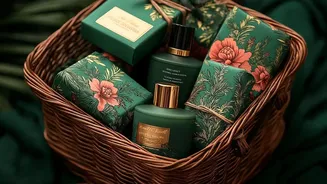
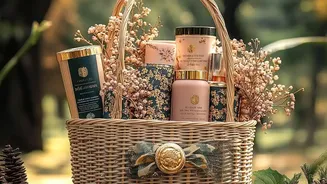
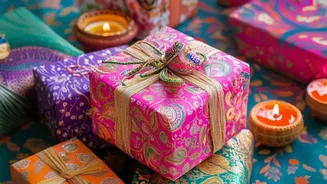
Finally, the appeal of these hampers lies in their beautiful and thoughtful presentation. In an age dominated by social media, the 'unboxing' experience is paramount. Artisanal hampers are typically designed with great attention to aesthetic detail, using eco-friendly packaging, elegant arrangements, and personalised touches. This creates a memorable and highly 'shareable' moment for the recipient. The care put into the packaging signals the overall quality and thoughtfulness of the gift, making even a small hamper feel luxurious and special. It's a move away from sheer quantity towards curated quality, where the presentation is as important as the products inside.