


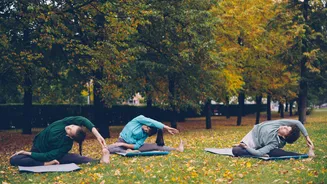

The Core Difference: Introspection vs. Expression
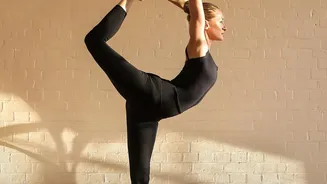
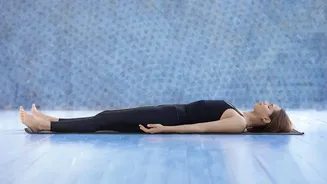
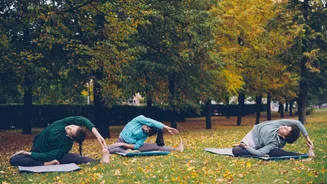
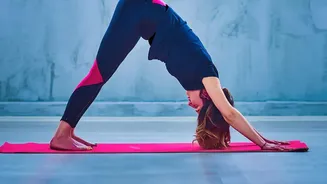
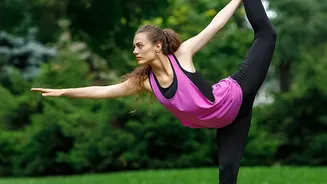
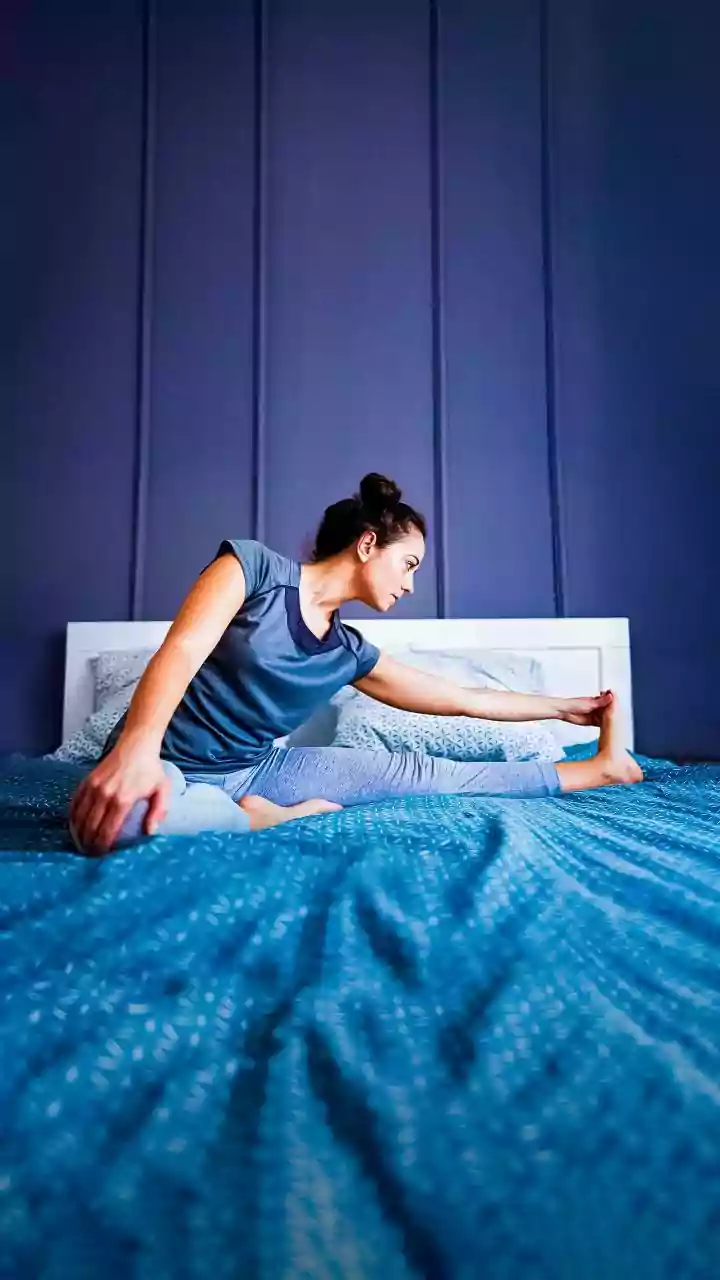
At its heart, the distinction lies in their focus. Yoga is primarily an introspective practice. It guides you to turn your awareness inward, connecting breath to movement and noticing subtle sensations. The goal is often to calm the nervous system and cultivate
a state of mindful presence. Dance, on the other hand, is largely an expressive practice. It encourages you to turn your feelings outward, using your body to interpret rhythm and emotion. It is often social, energetic, and a form of joyful release set to music.
When You Need To De-Stress
If you are feeling frazzled and overwhelmed, both activities can help, but through different mechanisms. Yoga excels at activating the body's 'rest and digest' system, also known as the parasympathetic nervous system. Through controlled breathing (pranayama) and sustained postures, it can lower levels of the stress hormone cortisol and quiet the mind. Studies suggest that yoga can be very effective at reducing stress. Dance offers a more active form of stress relief. The physical exertion helps release endorphins, the body's natural mood elevators, while the music and movement provide a powerful distraction from repetitive negative thoughts. It allows for an emotional release, helping you to literally 'shake off' the tension.
For Lifting Low Spirits
When battling feelings of sadness or depression, dance appears to have a particularly strong advantage. A major 2024 meta-analysis found that dance was more effective at reducing symptoms of depression than many other forms of exercise, including yoga. The combination of physical activity, social connection, and musical engagement creates a powerful neurochemical cocktail, boosting dopamine and serotonin. The expressive component is also key; dance therapy allows individuals to channel difficult feelings outwards through movement. Yoga approaches low mood from a quieter angle. It fosters self-awareness and acceptance, helping practitioners observe their feelings without judgment. This can improve emotional regulation and build resilience over time. Research shows that yoga can increase levels of GABA, a neurotransmitter associated with better mood and decreased anxiety.
For An Energy And Joy Boost
For a quick infusion of energy and pure joy, a dance session is hard to beat. The combination of upbeat music and dynamic movement is a well-known recipe for feeling good. Dancing triggers the release of 'happy hormones' like endorphins and serotonin, which naturally elevate your mood. The social aspect of many dance forms further enhances feelings of connection and belonging. While often associated with calm, yoga can also be incredibly energizing. Dynamic styles like Vinyasa link breath to a flowing sequence of poses, building heat and increasing heart rate. The energy boost from yoga is often described as more grounded and stable, enhancing mental clarity and focus alongside physical vitality, providing a sense of sustained well-being.
Choosing Your Movement Medicine
Ultimately, the choice between yoga and dance depends on your personal needs in the moment. Ask yourself: am I seeking quiet introspection or joyful expression? Do I need to calm my system down or energize it? If your mind feels chaotic and you need to find your center, a yoga mat might be your best destination. Its focus on breath and mindfulness can help regulate a racing mind and soothe an anxious nervous system. If you feel stagnant, down, or simply want to feel a rush of happiness and connection, putting on your favourite music and dancing might be the perfect remedy. It offers an immediate and powerful way to change your emotional state through physical expression.