







The Hybrid Work Hangover
During the peak of remote work, our pets hit the jackpot. We were their constant companions, offering endless ear scratches and midday walks. Now, as companies embrace hybrid schedules, that consistency is gone. For a dog or cat, a routine that flips
between 'human is home' and 'human is gone' can be deeply confusing. This unpredictability is a primary trigger for separation anxiety, which can manifest as destructive chewing, incessant barking, or simply a day spent moping by the door. It’s not just the pets who suffer; owners spend their days at the office worrying, checking security cameras, and feeling a constant pang of guilt. This modern work arrangement has created a new emotional and logistical challenge: how to maintain a stable, comforting environment for a pet when your own schedule is anything but.
Consistency in a Bowl
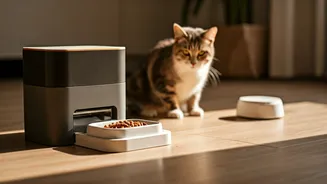
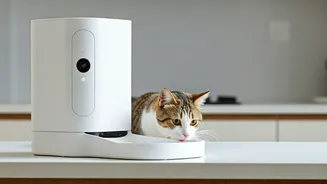
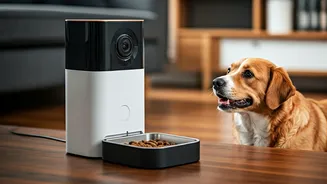
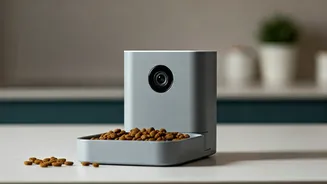
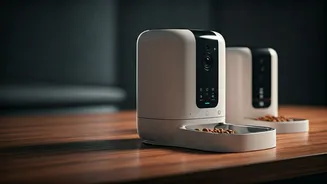
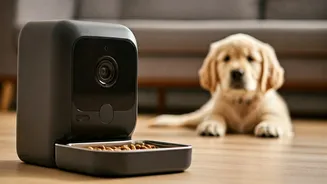
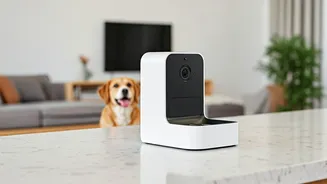
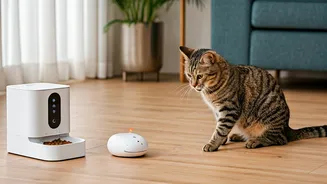
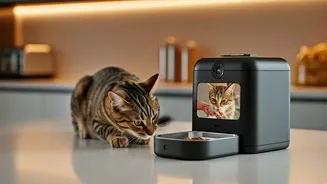
Enter the automated pet feeder. On the surface, it’s a simple machine: a hopper filled with kibble that dispenses meals at pre-set times. But its true value lies in its ability to restore routine. Whether you’re stuck in traffic or on a deadline at the office, your pet’s dinner arrives right on schedule. This consistency is incredibly reassuring for animals, decoupling their primary need for food from your physical presence. For pets on a special diet or those prone to overeating, these feeders are a game-changer, delivering precise portions that prevent 'free-feeding' and help manage weight—a common concern for veterinarians. Many modern feeders also come equipped with Wi-Fi connectivity, allowing you to trigger a feeding from your phone, and even feature a camera and two-way audio. This lets you check in, see that they’re eating, and offer a comforting, “Who’s a good boy?” from your desk miles away.
Your Pet's Robotic Playmate
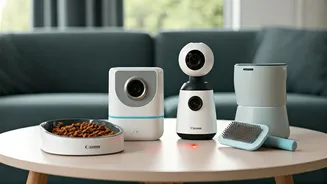
While feeders solve the problem of hunger, they don’t address boredom. A lonely pet is often a destructive or depressed one. This is where automated play bots come into play, serving as a stand-in for you during the day. The most common are app-controlled laser toys that project a dot you can move around from your smartphone, enticing your cat or dog into a chase. Others are robotic balls that roll around on a schedule or treat-dispensing cameras that let you launch a snack across the room as a reward. These devices provide crucial mental and physical stimulation, breaking up the long, quiet hours. A scheduled 10-minute play session at 2 p.m. can be just the thing to rouse a sleepy pet and prevent the afternoon blues. It transforms their environment from a static waiting room into an interactive space, alleviating the stress of your absence.
What to Look For in a Pet Bot
Not all automated helpers are created equal. When shopping, focus on features that prioritize your pet’s safety and your peace of mind. For automated feeders, look for portion accuracy, an airtight seal to keep food fresh, and stainless steel bowls that are easy to clean and hygienic. A battery backup is non-negotiable; you don’t want a power outage to prevent a meal. For play bots, safety is paramount. Any laser should be a low-power, pet-safe Class 1 device. Check for durability—if your dog is a powerful chewer, a flimsy plastic toy won’t last. Consider the device’s noise level, as a loud motor might scare a timid pet. Finally, evaluate the companion app. Is it intuitive and reliable? The best technology is the kind that reduces your stress, not the kind that requires constant troubleshooting.
A Tool, Not a Replacement
Veterinarians and animal behaviorists largely agree that these gadgets can be wonderful supplements to a pet’s life. However, they are just that: supplements. An automated feeder can’t tell if your pet is feeling unwell and off its food. A laser bot can't provide the tactile comfort of a cuddle or the unique social enrichment of a walk in the park. The goal of pet tech should be to enhance your relationship, not replace it. These tools are at their best when used to bridge the gaps during your workday. The quality time when you are home—the walks, the training sessions, the games of fetch—becomes even more important. Technology can provide consistency and stimulation, but it can’t provide a bond.