




The End of the 'Off-Season'
The idea of an 'off-season' is quickly becoming outdated in Indian tourism. Travellers are increasingly looking past the allure of winter sun and summer holidays to embrace the unique beauty of the monsoon. Recent data shows a significant spike in travel
during the rainy season, with some platforms reporting hotel bookings up by over 50% year-on-year. This isn't just about finding cheaper deals; it's a fundamental change in mindset. People are actively seeking the immersive, serene experiences that only the monsoon can offer, driven by a desire for slower, more mindful journeys away from packed tourist spots. Destinations once considered quiet during these months are now buzzing with activity as visitors discover the magic of rain-washed hills and cooler temperatures.
Chasing Waterfalls, Not Just Sunshine
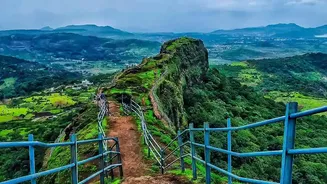
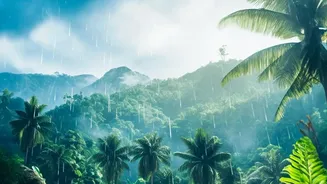
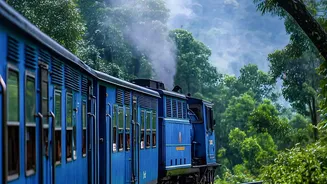
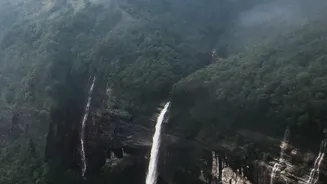
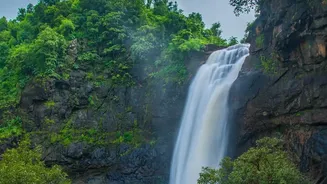
The heart of this trend is a pivot towards nature. The monsoon transforms India’s landscapes, turning dry hills into vibrant green carpets and trickling streams into powerful, roaring waterfalls. The Western Ghats, stretching through Maharashtra, Karnataka, and Kerala, have become a primary hub for this new wave of tourism. Destinations like Lonavala, Munnar, and Coorg are seeing unprecedented interest, with bookings in some areas growing nearly tenfold compared to previous years. Travellers are drawn to trekking through misty forests, visiting coffee and tea plantations enveloped in clouds, and simply enjoying the dramatic, ever-changing scenery from a cosy homestay. Even the Northeast is gaining ground, with states like Meghalaya—famed for having the wettest places on Earth—and Nagaland seeing a surge in visitors eager for raw, natural beauty.
A Boost for Local Economies
This boom in monsoon travel is providing a significant economic uplift to local communities. What was once a lean period for hotels, restaurants, and tour operators is now becoming a third tourist season. The influx of visitors helps sustain livelihoods year-round, moving beyond the traditional reliance on peak winter and summer months. This trend also aligns with a growing interest in eco-tourism and sustainable practices. Many travellers are choosing eco-friendly homestays and resorts that prioritize rainwater harvesting, waste management, and supporting local businesses. By visiting during the monsoon, tourists are not only getting a unique experience but also contributing to a more resilient and distributed tourism economy across the country.
What's Driving the Downpour of Tourists?
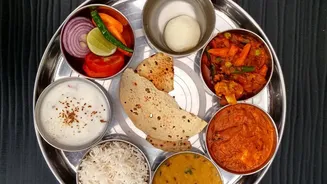
Several factors are fuelling this trend. The stunning visuals of monsoon landscapes are a natural fit for social media, inspiring wanderlust and showcasing a side of India many had not considered for travel. Travel companies have also played a key role, creating attractive packages and marketing campaigns that highlight the appeal of a rainy-season getaway. Improved road connectivity and more reliable weather forecasting have also made monsoon travel safer and more accessible. Furthermore, there's a growing appreciation for the sensory experience of the monsoon—the smell of wet earth, the sound of rain, and the taste of hot chai and local snacks enjoyed in a cool, misty climate. It represents a move away from a checklist of sights to a more holistic and atmospheric journey.
Planning Your Monsoon Getaway
While the allure is undeniable, a successful monsoon trip requires some planning. It’s crucial to pack waterproof gear, sturdy footwear for slippery trails, and insect repellent. Road travel can sometimes be challenging due to heavy rain or potential landslides, so building flexibility into your itinerary is key. It’s also wise to check local conditions before you travel, as some attractions like beach swimming or certain trekking routes may be restricted for safety reasons. However, with the right preparation, a monsoon journey offers a chance to see India at its most vibrant and rejuvenated. Whether it's witnessing the cloud-covered valleys of Mahabaleshwar, the serene backwaters of Kerala, or the majestic waterfalls of Cherrapunji, the experience is unlike any other.