






Map Your Sunlight Before You Build
The first step to a successful vertical garden has nothing to do with plants or planters; it is all about observation. Before you buy a single seed, spend a day tracking how sunlight moves across your chosen wall or balcony. In India, a south-facing wall will
receive the most intense, direct sun, while a north-facing wall will be in shade for most of the day. East-facing spots get gentle morning sun, and west-facing areas receive the harsh afternoon heat. Note which parts get full sun (6+ hours), partial shade (3-6 hours), and full shade (less than 3 hours). This simple act of mapping is the single most important factor in ensuring all your plants, from top to bottom, will get the light they need to flourish.
Choose a Structure That Distributes Light
Not all vertical structures are created equal when it comes to light management. Solid, wall-mounted pocket planters can easily create a full shadow on the tiers below. For better light distribution, consider more open designs. Tiered or cascading planters, which are set back like a staircase, allow light to reach each level more directly. Ladder-style gardens and A-frame structures are also excellent, as their angled design prevents the top layers from completely overshadowing the bottom. Trellises are another fantastic option for vining plants, as their open grid doesn't cast a heavy shadow, especially early in the season when lower plants need to get established. Choosing a structure that facilitates, rather than blocks, light is half the battle won.
The Golden Rule: Plant from Top to Bottom
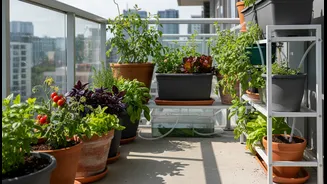
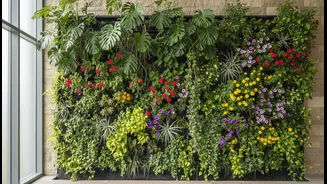
The core principle of layering a vertical garden is simple: place sun-loving plants at the top and shade-tolerant plants at the bottom. This mimics the structure of a natural forest, where tall trees form a canopy and smaller plants thrive in the undergrowth below. The top tiers of your garden, which receive the most direct and intense sunlight, are perfect for heat-loving bloomers and vegetables. The middle tiers can host plants that prefer partial sun. The bottom tiers, which will inevitably be the shadiest, should be reserved for plants that thrive in low-light conditions. This strategic placement ensures each plant gets its preferred lighting, creating a balanced and healthy mini-ecosystem.
Plant Suggestions for the Indian Climate
Matching the right plant to the right tier is crucial. For Indian gardens, here are some suggestions: Top Tiers (Full Sun): These plants love heat and bright light. Consider Bougainvillea, Portulaca (Office Time), Vinca (Sadabahar), succulents like Aloe Vera, and sun-loving herbs such as basil and thyme. Dwarf tomato and pepper varieties also do well here. Middle Tiers (Partial Sun/Shade): This is the ideal spot for leafy greens like lettuce and spinach, which can bolt in intense heat. Flowering plants like Begonias, Coleus with its colourful foliage, and many herbs like mint and parsley will thrive with some protection from the harsh afternoon sun. Bottom Tiers (Full Shade): The lowest level is perfect for shade-tolerant plants that provide a lush, green base. Think Money Plant (Pothos), Syngonium, Spider Plants, and various types of ferns. These plants are adapted to low-light conditions and will fill out the base of your garden beautifully.
Maintenance for Lasting Light
Creating a well-lit vertical garden is not a one-time task. As plants grow, they need regular maintenance to ensure light continues to reach the lower levels. Pruning is your most important tool. Regularly trim back the top-tier plants to prevent them from becoming too bushy and casting excessive shade. Pinching the tips of plants like Coleus and basil encourages bushier growth rather than leggy stems, which helps manage their height. For vining plants, guide their growth along the trellis to spread them out, which improves both airflow and light penetration for the entire structure. Think of it as actively managing your canopy to keep all the inhabitants of your vertical world happy and healthy.