






A Trend Steeped in History
In the bustling kitchens of urban India, a new aroma is beginning to emerge—one that is both novel and deeply ancient. It’s the scent of smoked herbal tea, a practice with deep roots in the high-altitude communities of the Himalayas. More than just a fleeting
culinary trend, the growing interest in these unique brews represents a conscious return to traditions where a beverage was also a form of wellness. As consumers increasingly seek authenticity and natural remedies, they are discovering what Himalayan communities have known for centuries: the plants growing in their backyard hold potent secrets for health and vitality.
The Wisdom of Smoke and Herbs
In the harsh, cold climates of the Himalayas, life is intrinsically linked to the landscape. For generations, tea was not just a comforting drink but a means of survival. The practice of infusing herbs with smoke wasn't originally for flavour alone. Smoking was a traditional method of preserving precious botanicals, gathered painstakingly from forests and mountain slopes, ensuring they would last through long, unforgiving winters. This process also had a perceived medicinal benefit; in many traditional practices, smoke was believed to enhance the potency of herbs, preparing them to deliver warmth and healing. The result is a beverage that warms from the inside out, a practice born from necessity that evolved into a cherished ritual.
The Himalayan Apothecary in a Cup
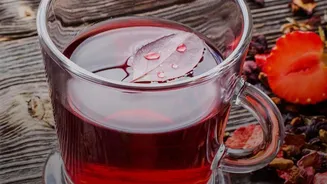
The teas are based on a rich variety of botanicals, each with a history of use in local remedies. One of the most celebrated is Rhododendron, or 'Buransh', whose vibrant red flowers are brewed into a tea known for its antioxidant properties and use in managing inflammation and heart health. Then there is Sea Buckthorn, a fiery orange berry locals call 'the immortal fruit'. Packed with Vitamin C and Omega fatty acids, its tea is a tangy, invigorating infusion traditionally used to boost immunity and promote skin health. Other herbs like wild Tulsi, stinging nettle (Sisnu), and mint are also central to this tradition, each chosen for its ability to support digestion, relieve stress, or provide balance. These are not just ingredients; they are generations of inherited knowledge about the land and its gifts.
From Mountain Peaks to Kitchen Shelves
This revival is being driven by a new generation of boutique Indian brands and cultural explorers dedicated to preserving and sharing this heritage. They are working directly with mountain communities, often empowering local women who are the traditional custodians of this botanical knowledge. By creating a market for these wild-harvested, handcrafted teas, they provide a sustainable livelihood that honours traditional practices. For the modern consumer, this offers a direct connection to the source. Drinking these teas becomes an act of participation in a story—a story of sustainable harvesting, cultural preservation, and the unique terroir of the Himalayas, where high altitude, clean air, and mineral-rich soil produce herbs of exceptional quality.
More Than a Drink, It's a Connection
Ultimately, the appeal of smoked herbal teas goes beyond their unique flavour profile or potential health benefits. In a world of mass-produced goods, they offer a tangible link to a place and a philosophy. The ritual of brewing a cup—watching the leaves unfurl, inhaling the smoky and floral aromas—is a form of mindfulness. It’s an invitation to slow down and appreciate a practice that has sustained communities for centuries. It’s a reminder that sometimes, the most profound remedies are not found in a lab, but in the simple, time-tested wisdom of nature.