


An Ancient Spice Rediscovered
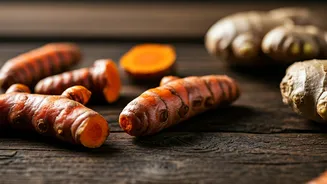
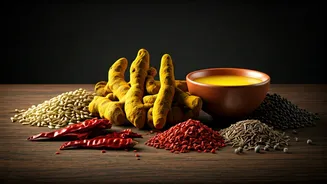
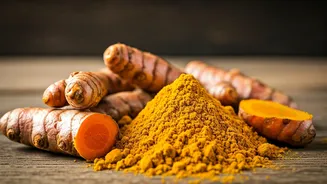
First things first: for millions in India and across South Asia, turmeric never left. For centuries, 'haldi' has been a cornerstone of Indian cooking, medicine, and culture. Its brilliant yellow hue is the foundation of countless curries, lentil dals,
and rice dishes, prized not just for its earthy, slightly bitter flavour but also for its role in Ayurvedic traditions. What we are witnessing is not a discovery, but a global rediscovery. Western kitchens are finally catching up to what many cultures have known for millennia: turmeric is a versatile and powerful ingredient.
The Modern Wellness Connection
The single biggest driver behind turmeric’s modern revival is the wellness boom. The spice contains a compound called curcumin, which has been the subject of thousands of scientific studies. Curcumin is noted for its potential anti-inflammatory and antioxidant properties. In an era where consumers are increasingly proactive about their health and seeking natural remedies, turmeric fits the bill perfectly. While many claims require more research, the association with wellness has been enough to propel turmeric from the spice rack into the mainstream consciousness as a 'superfood'. It's now a staple in health food stores and a popular supplement.
More Than Just Curry
Perhaps the most interesting part of this resurgence is seeing how turmeric is being used outside its traditional context. The 'golden milk latte'—a frothy, warm beverage of milk, turmeric, and other spices like ginger and cinnamon—has become a café staple. But it doesn’t stop there. Home cooks are now adding a pinch of turmeric to scrambled eggs, roasted vegetables, soups, and smoothies for a boost of colour and earthy depth. It’s even appearing in unexpected places like breads, cakes, and salad dressings. This culinary creativity demonstrates its versatility and proves it can be integrated into nearly any type of cuisine, moving far beyond its association with only Indian food.
The Science of Absorption
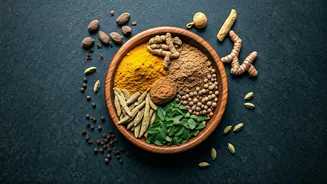
As its popularity has grown, so has the conversation around how to use it effectively. One key fact that has entered the mainstream is that curcumin is not easily absorbed by the body on its own. This is where a bit of food science comes in handy. The solution, long practised in traditional Indian cooking, is twofold. First, pairing turmeric with black pepper. A compound in black pepper called piperine can significantly increase curcumin's bioavailability. Second, since curcumin is fat-soluble, consuming it with a source of healthy fat—like coconut oil, ghee, or avocado—helps the body absorb it. This knowledge has empowered home cooks to use the spice not just for flavour, but for maximum potential benefit.
A Feast for the Eyes
In the age of social media, we eat with our eyes first. Turmeric's intensely vibrant, golden-yellow pigment makes food look incredibly appealing. A sprinkle of turmeric can transform a pale dish into something that looks rich, warm, and inviting. This visual appeal is a significant, if often overlooked, factor in its current popularity. Food bloggers, chefs, and home cooks alike know that a colourful dish is more likely to get noticed on platforms like Instagram and Pinterest. The photogenic quality of turmeric-laced foods has undoubtedly helped spread the trend far and wide, inspiring more people to try it in their own kitchens.