





A High-Speed Cosmic Rendezvous
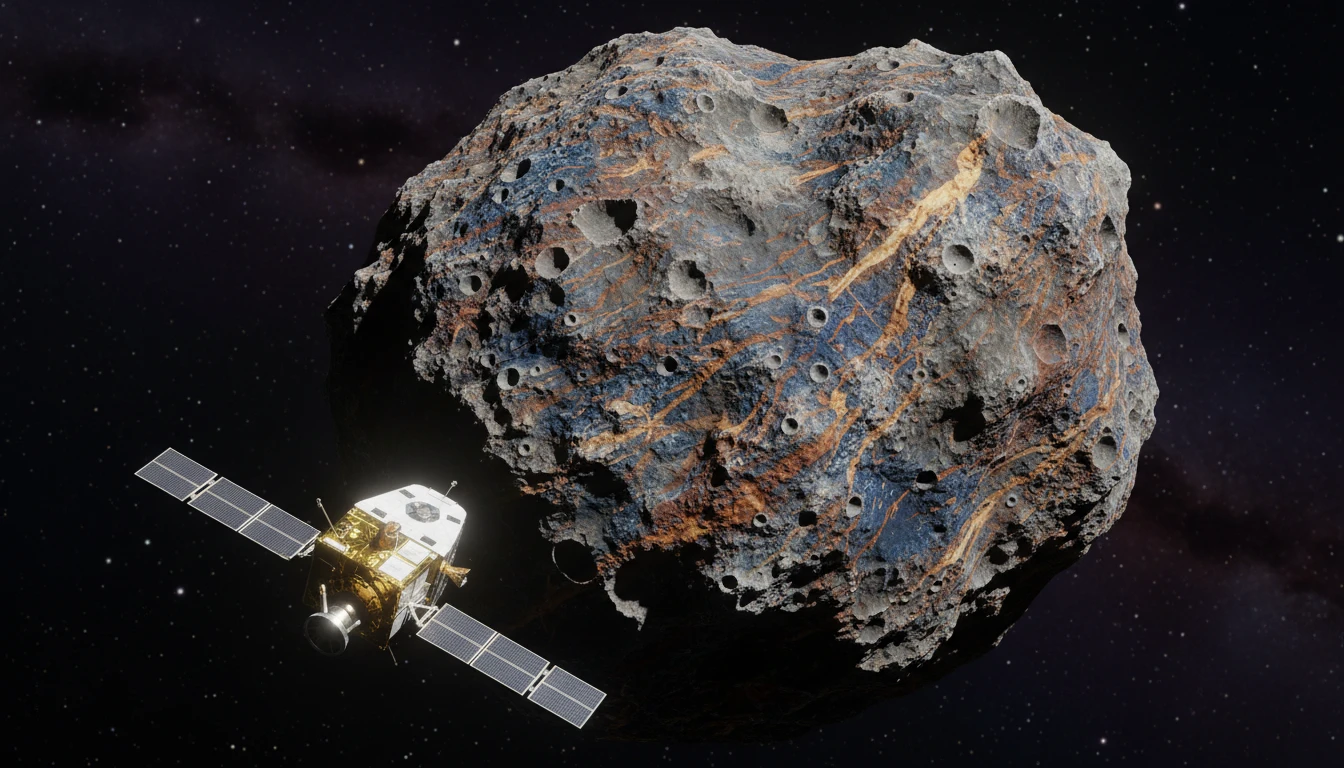
Japan's Hayabusa2 spacecraft, already famous for returning samples from the asteroid Ryugu in 2020, executed a new, high-stakes maneuver on July 5, 2026. It flew past a near-Earth asteroid named Torifune at a blistering speed of over 18,000 kilometres
per hour, coming within a few kilometres of its rocky surface. This wasn't a sample collection mission but a bold demonstration of precision engineering. The primary goal was to test autonomous navigation technology required for 'planetary defense' — the very skills needed to intercept a hazardous asteroid if one were ever headed for Earth. The successful flyby provided the Japan Aerospace Exploration Agency (JAXA) with unprecedented close-up images and data of the 450-metre wide asteroid, marking a significant step in understanding these celestial wanderers.
The Unseen Indian Contribution
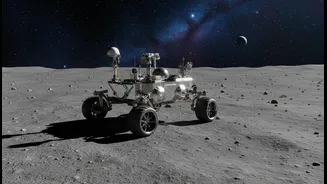
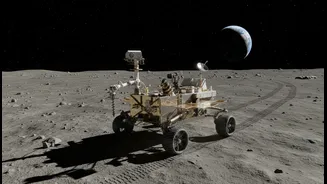
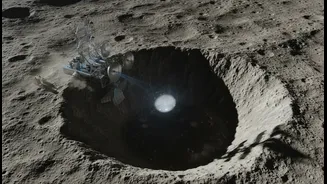
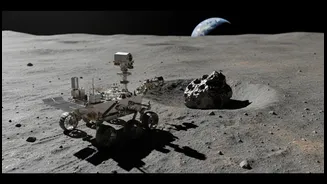
While the headlines celebrated Japan's achievement, a key part of the mission's scientific potential has roots in Ahmedabad. While not on this specific flyby mission, the broader India-Japan space partnership highlights a key trend: joint instrumentation. For instance, in other collaborative projects, instruments developed at India's Physical Research Laboratory (PRL) are crucial. The PRL, founded by Dr. Vikram Sarabhai, has a long history of creating sophisticated scientific payloads for ISRO's missions, including the Chandrayaan series. This expertise is now being leveraged in international partnerships. The collaboration on the upcoming LUPEX lunar mission, where India is building the lander and Japan the rover, is a prime example of this deepening relationship. Such joint projects often involve shared scientific instruments designed to answer fundamental questions about the cosmos.
Why This Partnership Matters for India
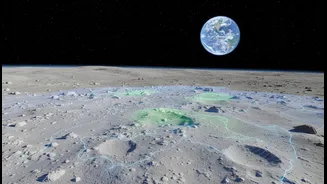
So, why should an Indian reader care about a Japanese spacecraft flying past an asteroid? The answer lies in collaboration and ambition. The data and technological experience from missions like the Torifune flyby directly feed into a shared pool of knowledge that benefits partner nations. For India, this cooperation with JAXA is a strategic force multiplier. It allows Indian scientists access to more missions, more data, and cutting-edge technology without having to build every single component from scratch. The partnership on the LUPEX mission (also called Chandrayaan-5), for example, will see an Indian lander delivered by a Japanese rocket, with both nations working to explore the lunar south pole for water ice. This collaborative approach accelerates India's own goals in planetary science, asteroid mining, and eventually, establishing a long-term presence in space. It's about working together to achieve what would be slower and more expensive to do alone.
From Competitors to Collaborators
The India-Japan space relationship has evolved significantly from its early days. Once viewed as separate Asian space powers, ISRO and JAXA now see each other as essential partners in shaping the future of exploration and space governance. This strategic alignment goes beyond just science; it touches upon developing new technologies, fostering industry and startup growth in both nations, and ensuring a rules-based order in space. Prime Minister Narendra Modi has highlighted how these joint missions create an ecosystem of innovation. Whether it's exploring the Moon, developing new satellite capabilities, or preparing for planetary defense, the synergy is clear. The success of missions like the Torifune flyby reinforces the value of this partnership, demonstrating that the future of space exploration is not just about national pride, but about shared discovery.