



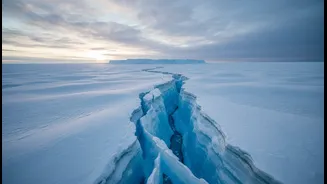


Wait, Ice Can Join a Group Chat?
Not literally, of course. But in the language of the internet, 'entering the group chat' means becoming a topic so disruptive and important that it can no longer be ignored. For decades, the colossal ice sheets of Greenland and Antarctica were a distant
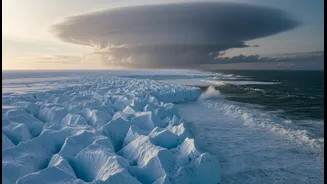
concern for most people. Scientists issued warnings, but the melting felt abstract and far away. That has changed. Recent developments have been so abrupt and severe that these frozen giants are now dominating the global conversation about our climate future. Their 'messages' are arriving as alarming data, unprecedented melt events, and the very real threat of rising sea levels. The notifications are on, and we can't swipe them away.
The Main Characters: Greenland and Antarctica
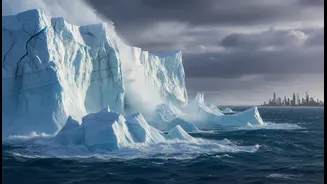
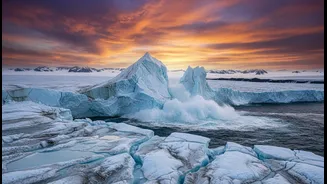
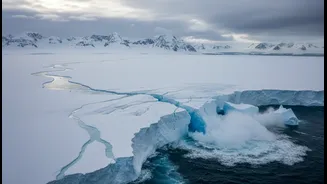
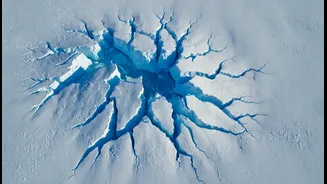
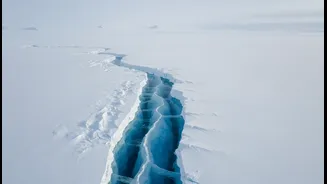
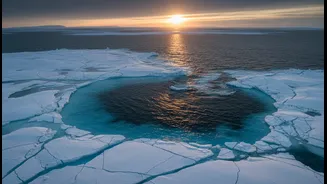
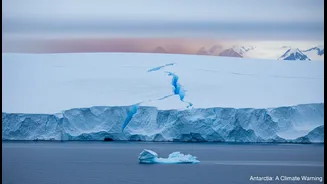
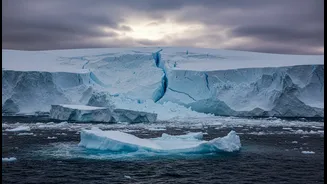
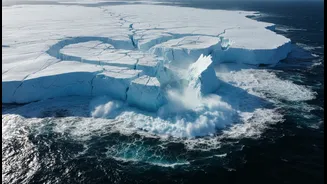
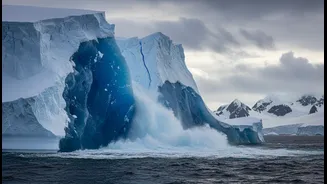
The two main players in this drama are the Greenland and West Antarctic ice sheets. Recent studies have sounded the alarm on both. In Greenland, scientists report that extreme melting is not only irreversible but also accelerating. Since 1990, the amount of meltwater produced during extreme events has surged six-fold. Seven of the ten most severe melting episodes on record have happened since the year 2000. Meanwhile, in Antarctica, the focus is on the Thwaites Glacier, ominously nicknamed the 'Doomsday Glacier.' Roughly the size of Britain, its collapse alone could raise global sea levels by over two feet. Researchers have warned that a critical ice shelf holding it back is 'poised to disintegrate' and could break up as early as this year, removing a natural brake and speeding up its slide into the ocean.
The Drama: Global Consequences
When an ice sheet 'talks,' it speaks in the language of consequences. The primary impact is sea-level rise. The complete collapse of the Thwaites Glacier could eventually trigger the loss of the entire West Antarctic Ice Sheet, leading to a catastrophic sea-level rise of around 10 feet. But the drama doesn't stop there. This massive influx of cold freshwater into the salty ocean is disrupting vital ocean currents, like the Atlantic Meridional Overturning Circulation (AMOC). This current system functions like a planetary conveyor belt, transporting heat and regulating climates. Scientists warn that meltwater from Greenland is causing it to weaken, which could lead to bizarre and extreme weather shifts, including potential cooling in parts of North America and Europe even as the rest of the planet warms.
Why This Is Flooding India's Mentions
This isn't just a problem for polar bears and far-off lands. For India, the 'group chat' notifications are hitting close to home. With a coastline stretching over 7,500 kilometers, the country is intensely vulnerable to sea-level rise. Major coastal cities like Mumbai, Kolkata, and Chennai, which are economic powerhouses, face growing threats from more frequent and severe flooding. Beyond the coasts, the melting Arctic has been linked to changes in the Indian Summer Monsoon. Studies show an inverse correlation: less Arctic sea ice can lead to a westward shift and enhancement of monsoon rainfall over northwest India. Given that the monsoon underpins the livelihoods of hundreds of millions and over 40% of India's GDP, any disruption to these ancient patterns is a matter of national importance.