





The Art of the Row: Mastering Your Form
Before you can reap the benefits of rowing, mastering the form is crucial. A common mistake is thinking it's all an arm workout; in reality, about 60% of the power comes from your legs. The rowing stroke is a fluid, four-part sequence: the Catch, the Drive,
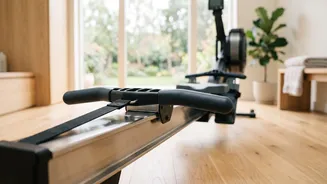
the Finish, and the Recovery.1. The Catch: This is your starting position. Sit with your knees bent, shins roughly vertical, and your back straight, leaning forward slightly from the hips. Your arms are extended as you grip the handle.2. The Drive: The power phase begins here. Push forcefully with your legs, driving through your heels. As your legs straighten, lean back slightly, and only then, pull the handle toward your lower ribs. The sequence is always legs, then body, then arms.3. The Finish: At the end of the stroke, your legs are extended, your core is engaged, and you're leaning back slightly (think one o'clock on a clock face). The handle is pulled into your lower chest or upper abs.4. The Recovery: This is the reverse of the drive and should be controlled. Extend your arms first, then lean your torso forward from the hips, and finally, bend your knees to slide back to the catch position. A good rhythm to aim for is a recovery that takes about twice as long as the drive.
Common Rowing Mistakes to Avoid
Perfecting your form takes practice, but watch out for these common errors that can reduce effectiveness and increase injury risk.Hunching Your Back: Keep your spine neutral and chest open to protect your lower back and engage your core properly.Pulling with Arms First: Bending your arms too early robs your powerful leg muscles of their job. Let your legs do the heavy lifting at the start of the drive.Rushing the Recovery: Sliding forward too quickly and bending your knees before your arms are extended can disrupt your rhythm and lead to bumping your knees with the handle.Death Grip on the Handle: Holding on too tight creates unnecessary tension in your wrists and forearms. A firm but relaxed grip is all you need.
Rowing: The Full-Body Powerhouse
When done correctly, rowing is one of the most efficient full-body workouts available. It activates roughly 85% of your body's muscles with every stroke, combining strength training and cardiovascular conditioning. The main muscles worked include your quadriceps, glutes, hamstrings, lats, traps, rhomboids, biceps, and core.One of rowing's biggest advantages is that it is a low-impact exercise. Because you are seated, it puts minimal stress on your joints, making it a great option for people of all fitness levels, including those with joint pain or who are looking for an alternative to high-impact activities like running. Regular rowing can improve heart health, build muscular endurance, and burn a significant number of calories—between 400 and 800 per hour, depending on intensity and body weight.
Dancing: The Joyful Calorie Burn
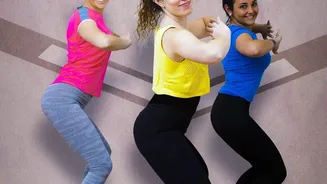
If the structure of a rowing machine feels monotonous, dancing offers a creative, dynamic, and socially engaging alternative. Dancing is also a fantastic full-body workout that improves cardiovascular health, endurance, balance, coordination, and flexibility. Different styles offer different benefits. High-energy classes like salsa, hip-hop, or even vigorous swing dancing can be excellent for aerobic fitness, sometimes burning more calories than cycling or swimming in the same amount of time.Beyond the physical benefits, dancing has a powerful effect on mental well-being. The combination of music, movement, and social interaction is known to reduce stress, boost mood by releasing endorphins, and increase confidence. The fun factor is a huge advantage; when exercise feels less like a chore and more like a celebration, you're far more likely to stick with it.
Rowing vs. Dancing: The Head-to-Head
So, which should you choose? Let’s compare them on a few key points.Calorie Burn: Both can be high-calorie burners. Vigorous rowing can burn 400-800 calories per hour, while high-intensity dance styles can match or even exceed that. However, a slower dance style like ballet will burn fewer calories than a steady run, whereas some vigorous street dance can rival it. The winner here depends entirely on intensity.Muscle Building: Rowing is superior for building integrated, full-body strength, particularly in the legs, back, and core. While dancing strengthens muscles, especially in the lower body and core, its primary strength benefit is in muscular endurance and control rather than sheer power.Accessibility & Cost: A quality rowing machine is an investment, though most gyms have them. Dancing can be free if you do it at home, or you can pay for classes. Both are accessible to beginners.Fun Factor & Social Aspect: This is subjective, but dancing often wins for social engagement and creative expression. Group dance classes build a sense of community. Rowing can be meditative and rhythmic, but it's typically a solo activity unless you join a rowing team.