
Understanding the Two Types of Iron
Before we get to the simple hack, it's helpful to know that iron in our food comes in two forms: heme and non-heme. Heme iron, found in animal products like meat, poultry, and fish, is easily absorbed by our bodies. On the other hand, non-heme iron, which
comes from plant sources like lentils, beans, spinach, and fortified grains, is harder for our system to absorb. For a country where vegetarian diets are prevalent, most of our dietary iron is non-heme. This type of iron is sensitive to other compounds in our food called inhibitors, such as phytates in grains and legumes, which can block its absorption. This is a major reason why iron deficiency remains a widespread issue, even when people consume iron-rich plant foods.
Vitamin C: The Key to Unlocking Plant Iron
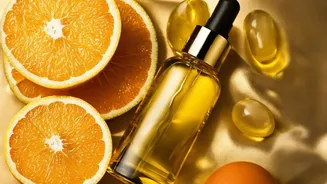
This is where Vitamin C, also known as ascorbic acid, comes in as a powerful ally. It is the most potent natural enhancer of non-heme iron absorption known to nutritional science. When you consume vitamin C along with a plant-based source of iron, it works in two brilliant ways. First, it converts the iron from the hard-to-absorb ferric (Fe³⁺) form into the much more soluble and absorbable ferrous (Fe²⁺) form. Second, it forms a protective, soluble bond with the iron as it travels through your digestive system. This prevents inhibitors like phytates from locking up the iron, ensuring it remains available for your body to take in. The effect is so significant that studies show it can double, triple, or in some cases, increase iron absorption by up to seven times.
Putting It Into Practice: Powerful Pairings for Your Plate
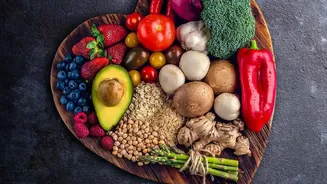
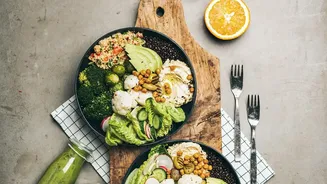
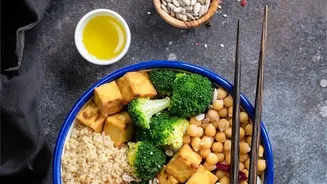
Making this science work for you is incredibly simple and aligns perfectly with many traditional Indian eating habits. The goal is to combine an iron-rich plant food with a vitamin C-rich food in the same meal. The effect happens when they are in your gut at the same time. Here are some easy and delicious ideas: Dal and Lentils: Squeeze a generous amount of fresh lemon or lime juice over your bowl of dal, sambar, or lentil soup just before eating. This is perhaps the easiest and most effective daily habit to adopt. Leafy Greens: Pair your palak (spinach), methi (fenugreek), or other greens with tomatoes. A simple palak paneer with a rich tomato base, or a spinach salad with tomatoes and a lemon dressing, works wonders. Beans and Legumes: When making chana masala, rajma, or any bean curry, ensure it has a good base of tomatoes. You can also add finely chopped bell peppers (capsicum) for an extra C-boost. Fortified Grains: Enjoy your iron-fortified breakfast cereal or oatmeal with a side of strawberries, kiwi, or a small glass of fresh orange juice.
More Than Just Oranges and Lemons
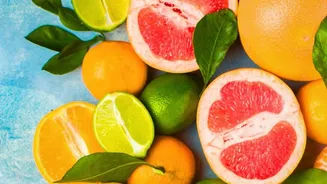
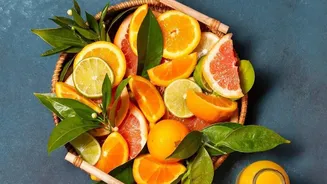
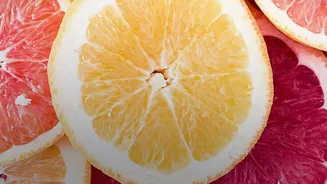
While citrus fruits are famous for their vitamin C content, many other common fruits and vegetables are excellent sources. Don't limit yourself! Amla (Indian gooseberry) is one of the most concentrated sources of vitamin C available. Bell peppers (especially red and yellow), broccoli, guava, papaya, strawberries, and even potatoes contain significant amounts. Research shows that adding as little as 25-50 mg of vitamin C to a meal—the amount in about half an orange—can dramatically boost iron uptake. Incorporating a variety of these colourful foods into your meals not only enhances iron absorption but also provides a wider range of other essential nutrients and antioxidants.