
The Perfect Weather Window
The primary reason for Rajasthan's allure in early winter is the near-perfect weather. After the monsoon washes away the dust, the landscape is surprisingly green, and the scorching summer temperatures, which can exceed 45°C, are replaced by comfortable
daytime highs of around 25-30°C. The nights become pleasantly cool, especially in desert regions like Jaisalmer, making it ideal for everything from exploring majestic forts without breaking a sweat to enjoying a cup of tea at a roadside dhaba. This mild climate means drivers and riders can spend long hours on the road comfortably, making sightseeing and outdoor activities far more enjoyable.
Highways Built for Cruising
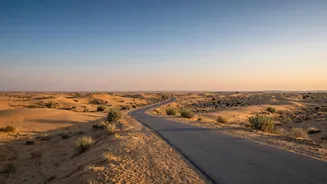
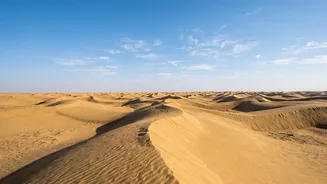
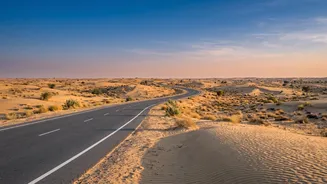
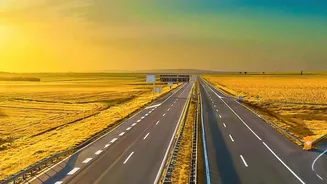
For highway cruising enthusiasts, Rajasthan offers some of the best-maintained roads in the country. The state's key arteries, like the six-lane NH48 connecting Delhi, Jaipur, and Udaipur, and the well-paved NH58 from Jaipur to Jodhpur, are built for smooth, effortless driving. These roads make it possible to cover the vast distances between iconic cities like Jaipur, Jodhpur, and Udaipur in a matter of hours, turning the journey itself into a core part of the experience. The scenery shifts from the Aravalli hills to arid plains and golden dunes, offering an ever-changing backdrop for a memorable drive. While rural roads require more caution, the primary tourist circuits are a driver's delight.
Adventure Beyond the Tarmac
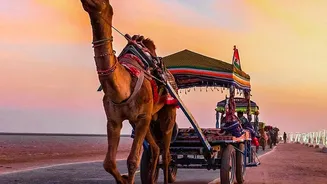
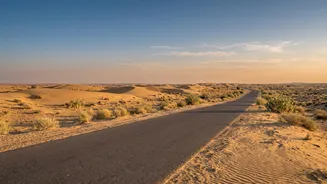
Adventure seekers find their fill once they venture off the main highways. The early winter months are perfect for exploring the Thar Desert. Near Jaisalmer, the famous Sam Sand Dunes become a playground for dune bashing in 4x4s and thrilling ATV rides. For a more traditional experience, overnight camel safaris allow travelers to camp under a blanket of stars in the cool desert air. Wildlife enthusiasts can head to Ranthambore or Sariska National Parks, where the pleasant weather increases the chances of spotting tigers and other wildlife. Activities like zip-lining over Mehrangarh Fort in Jodhpur or taking a hot air balloon ride over Jaipur offer a different kind of adrenaline rush.
A Photographer's Golden Hour
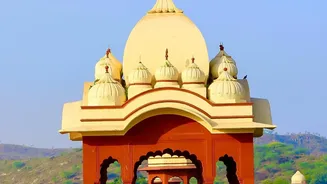
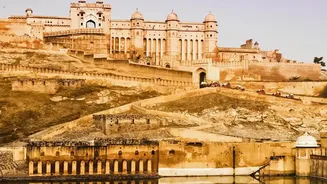
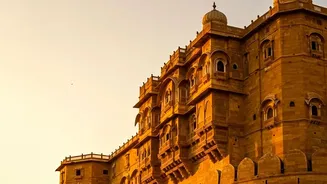
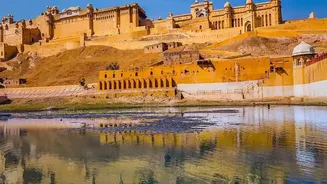
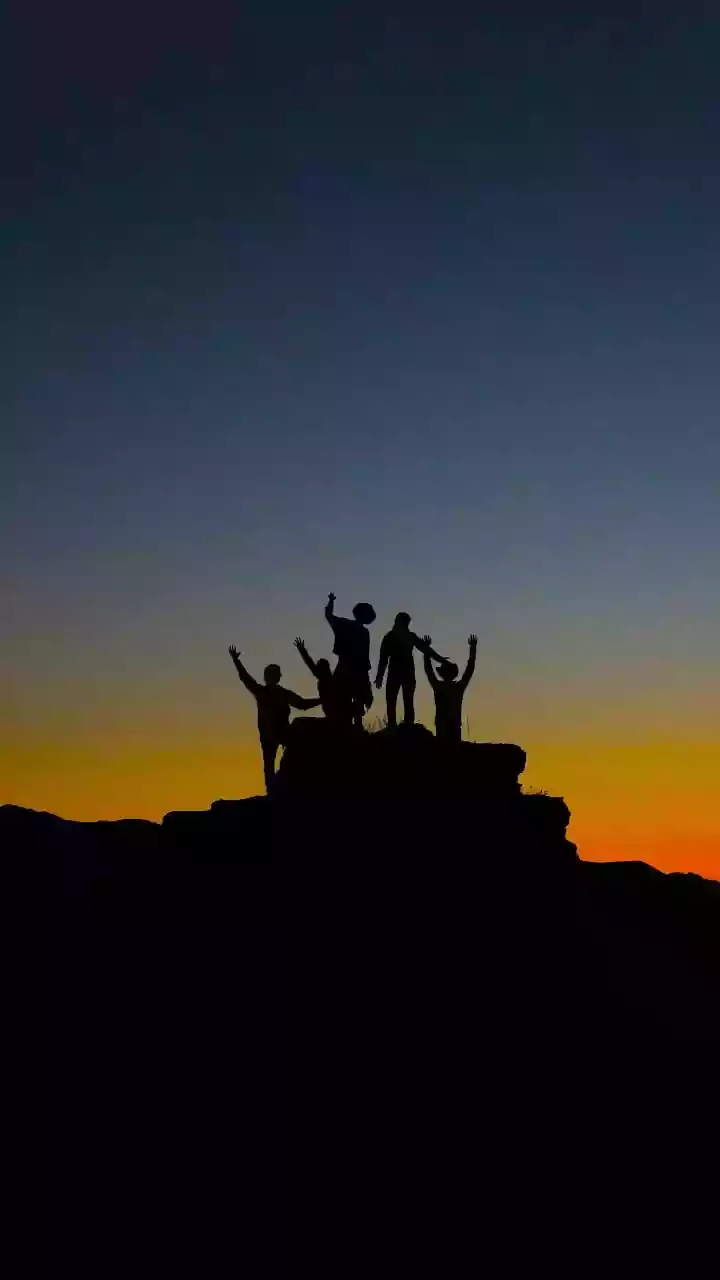
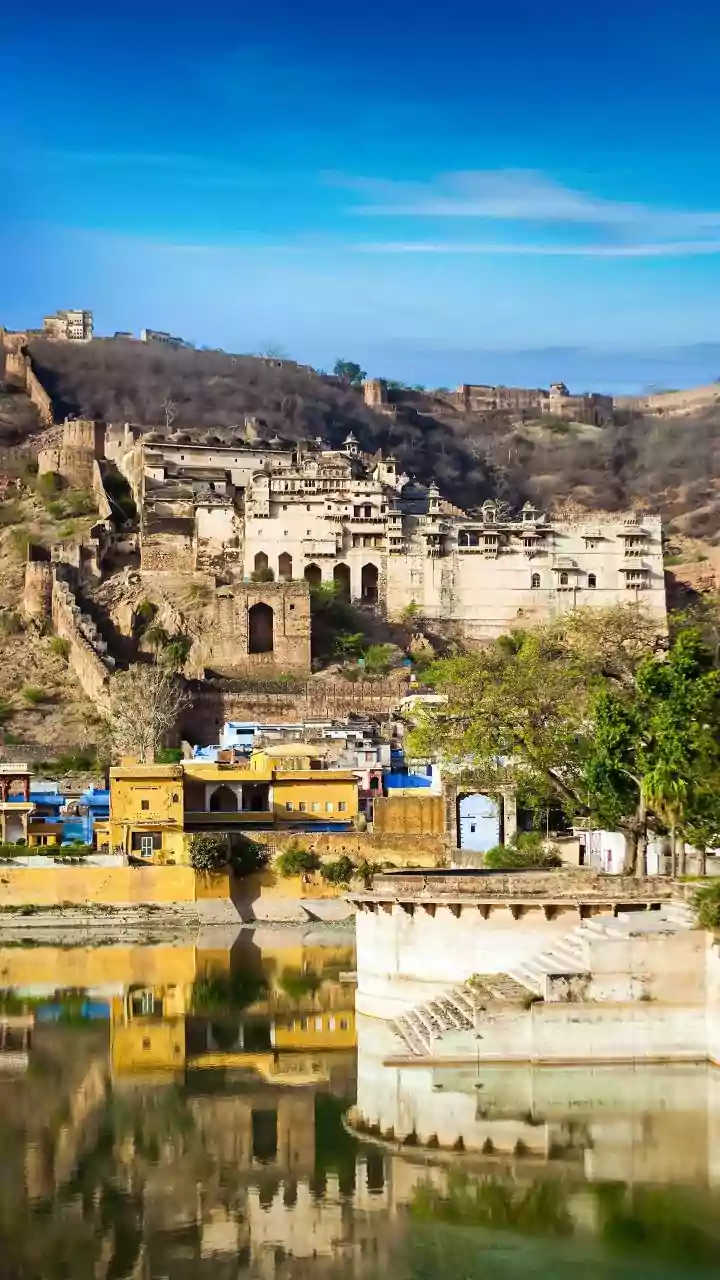
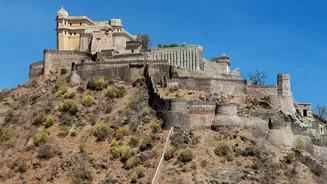
The quality of light in Rajasthan during early winter is a dream for photographers. The sun is less harsh, and the clear skies create a soft, golden glow that bathes the state's magnificent forts and palaces. Sunrises and sunsets are particularly spectacular, especially in the desert, where the sky erupts in a riot of colour. The occasional morning fog in areas like Bharatpur can add a layer of mystery and atmosphere to your shots. This is the season when Rajasthan's vibrant colours—from the blue city of Jodhpur to the pink city of Jaipur and the golden city of Jaisalmer—truly pop, creating postcard-perfect images at every turn.
Festivals and Cultural Vibrancy
Early winter is also a time of vibrant celebration in Rajasthan. Depending on the lunar calendar, this period often hosts major events like the Pushkar Camel Fair, one of the largest of its kind in the world, which is a spectacle of traders, pilgrims, and performers. Other regional festivals, such as the Bundi Utsav and the Mount Abu Winter Festival, showcase traditional music, folk dance, and local crafts. Planning a road trip to coincide with one of these festivals allows travelers to immerse themselves in the state's rich cultural tapestry and witness traditions that have been alive for centuries.
Fewer Crowds and Better Deals
While winter is the peak tourist season, the early months of October and November are often considered a 'shoulder season'. This means you can enjoy all the benefits of the great weather but with fewer crowds at popular attractions compared to the peak rush of December and January. This can lead to a more relaxed experience, whether you're exploring the City Palace in Udaipur or wandering the markets of Jodhpur. It can also sometimes translate into better availability and pricing for hotels, including the state's famous heritage properties, allowing for a more spontaneous and flexible travel plan.