


What is Ambali?
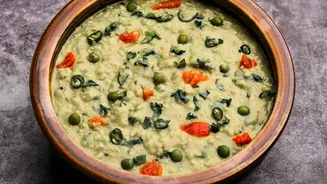
Ambali is a traditional fermented beverage originating from South India, particularly popular in states like Karnataka, Andhra Pradesh, and Telangana. At its core, it's a porridge made from ragi, also known as finger millet. The preparation is simple
but transformative. Ragi flour is cooked into a thick paste, which is then allowed to cool and ferment, often overnight in a clay pot. This fermentation process is key, giving the drink its characteristic slightly sour, tangy flavour. Traditionally, it is then thinned with water or buttermilk and seasoned with ingredients like salt, chopped onions, green chillies, and curry leaves to create a savoury, refreshing drink. It's a dish with deep roots, long cherished as a farmer's meal for its ability to provide sustained energy and cool the body during hot weather.
A Probiotic Powerhouse from the Past
The magic of Ambali lies in its fermentation. This natural process encourages the growth of beneficial bacteria, making it a powerful probiotic drink that supports gut health and digestion. In an era where gut health is increasingly linked to overall wellness, Ambali stands out as an all-natural solution. The fermentation also breaks down anti-nutrients like phytic acid found in the millet, which improves the body's ability to absorb essential minerals like calcium and iron. Ragi itself is a nutritional superstar; it's one of the best plant-based sources of calcium, crucial for bone health, and is packed with dietary fibre. This high fibre content helps regulate blood sugar levels and promotes a feeling of fullness, making it a great option for weight management.
From Rural Staple to Urban Star
For generations, Ambali was a staple in rural households, a simple, affordable, and nourishing drink to endure long days of physical labour. Its status as a 'poor man's food' meant it was largely absent from city restaurants and modern kitchens. However, a significant cultural shift is underway. Urban Indians are increasingly looking towards their roots, seeking authenticity and the time-tested wisdom of traditional diets. This trend, sometimes called 'nostalgia marketing', has seen a broader revival of regional and forgotten recipes across the country. Restaurants and even five-star hotels are now championing local ingredients and 'lost recipes', moving beyond generic menus to offer more diverse, authentic culinary experiences. Ambali fits perfectly into this movement.
Why Cafes Are Embracing Ambali
The appearance of Ambali on cafe menus is a convergence of several modern trends. Firstly, the global wellness boom has created immense demand for healthy, functional foods. Consumers are actively seeking out natural probiotics, gluten-free options, and nutrient-dense superfoods—all boxes that Ambali ticks. Secondly, there is a growing appreciation for local and sustainable eating. As diners become more conscious of food miles and the benefits of indigenous grains like millets, Ambali presents an attractive, eco-friendly option. Cafes are tapping into this by presenting the traditional drink in modern formats, perhaps as a savoury smoothie or a healthy 'Ambali bowl'. It offers a unique story—a taste of tradition packaged for the contemporary, health-conscious consumer.