




The Monsoon Food Dilemma
There’s a certain magic to the monsoons in India. The relief from the heat, the earthy smell of wet soil, and the universal craving for something hot and savoury. Our minds instantly go to plates of crispy pakoras, steaming samosas, or buttery bhutta.
While undeniably delicious, these heavy, deep-fried snacks can often leave us feeling sluggish and bloated. Traditional wisdom and modern dietetics both suggest that our digestion tends to slow down during the humid monsoon season. Indulging too often in oily foods can lead to indigestion, acidity, and a general feeling of lethargy, turning a comforting experience into a regretful one.
Enter Dalia: The Unsung Hero
This is where dalia, or broken wheat, comes in as a surprisingly perfect alternative. Often relegated to the category of 'sick people food,' a well-made savoury dalia is anything but bland. It's a powerhouse of nutrition that's incredibly gentle on the digestive system. Packed with fibre, it aids digestion and keeps you full for longer, preventing mindless snacking. It's a complex carbohydrate, providing a steady release of energy without the spike and crash you get from refined flour snacks. Furthermore, dalia is a wonderful canvas for flavour, absorbing the taste of spices and vegetables beautifully. It delivers the warmth and comfort we crave without the heaviness, making it an ideal meal for a cool, rainy day.
The Perfect Vegetable Masala Dalia
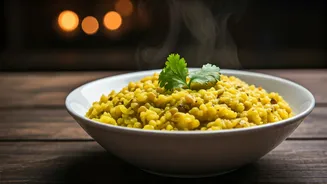
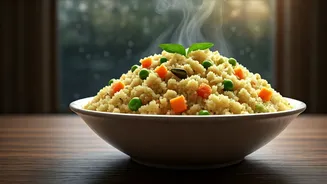
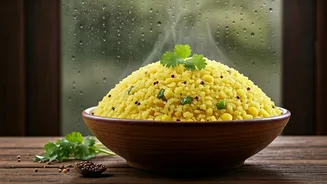
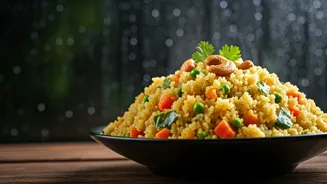
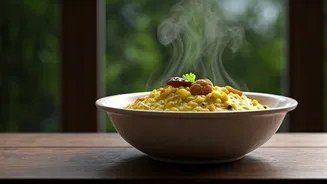
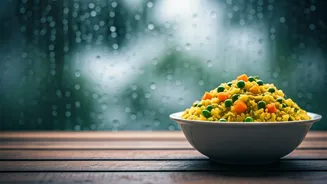
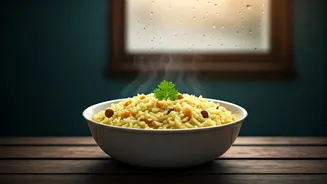
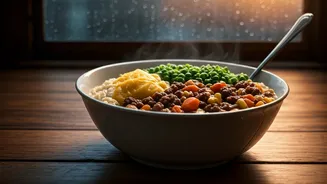
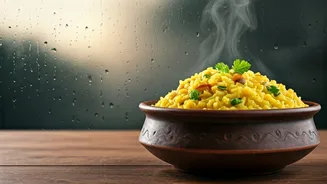
Forget the plain, watery gruel you might be imagining. We're talking about a vibrant, flavourful dish that resembles a hearty khichdi. It’s a one-pot meal that comes together in under 30 minutes, making it perfect for a lazy afternoon. The key is to treat it like any other celebratory rice dish, with a proper tadka (tempering), a good mix of vegetables, and a balanced blend of spices. This recipe transforms dalia from a mere health food into a delicious, soul-satisfying meal that the entire family will love.
Recipe: Your Go-To Rainy Day Dalia
This recipe is a basic template; feel free to add or subtract vegetables based on what you have. **Ingredients:** - 1 cup Dalia (broken wheat) - 2 tbsp Ghee or oil - 1 tsp Cumin seeds (jeera) - A pinch of Asafoetida (hing) - 1 Onion, finely chopped - 1 tsp Ginger-garlic paste - 1 Tomato, finely chopped - 1/2 cup mixed vegetables (carrots, peas, beans, corn) - 1/2 tsp Turmeric powder (haldi) - 1 tsp Coriander powder (dhania) - 1/2 tsp Red chilli powder (or to taste) - Salt to taste - 4 cups water - Fresh coriander leaves, for garnish **Method:** 1. First, dry roast the dalia in a pan on low heat for 3-4 minutes until it turns slightly fragrant. This prevents it from getting mushy. Set aside. 2. In a pressure cooker, heat the ghee or oil. Add the cumin seeds and let them splutter. Add the asafoetida. 3. Sauté the chopped onions until they turn translucent. Add the ginger-garlic paste and cook for another minute. 4. Add the chopped tomatoes and cook until they become soft and mushy. 5. Tip in all the spice powders—turmeric, coriander, and red chilli powder. Sauté for 30 seconds. 6. Add the mixed vegetables and the roasted dalia. Mix everything well so the dalia and vegetables are coated with the masala. 7. Pour in 4 cups of water and add salt to taste. Give it a final stir. 8. Close the lid of the pressure cooker and cook for 3-4 whistles on medium heat. Let the pressure release naturally. 9. Open the cooker, fluff the dalia with a fork, garnish with fresh coriander, and serve hot.
Customise Your Comfort Bowl
The beauty of this dish is its versatility. For a richer flavour, use ghee instead of oil for the tadka. You can make it even more nutritious by adding lentils like moong dal along with the dalia, effectively making a dalia-khichdi. Squeeze a bit of lemon juice just before serving for a fresh, zesty kick that brightens all the flavours. If you don't have a pressure cooker, you can easily make this in a regular pot; it will just take about 20-25 minutes of simmering with the lid on. Don't be afraid to experiment with other vegetables like cauliflower, potatoes, or bell peppers.