
A Human-Made Star
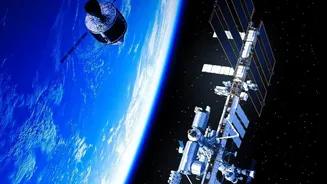
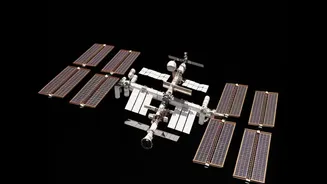
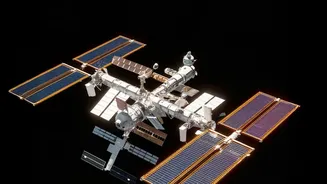
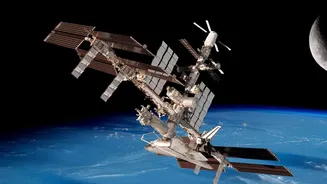
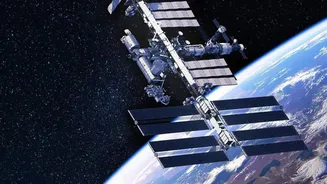
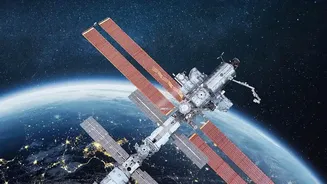
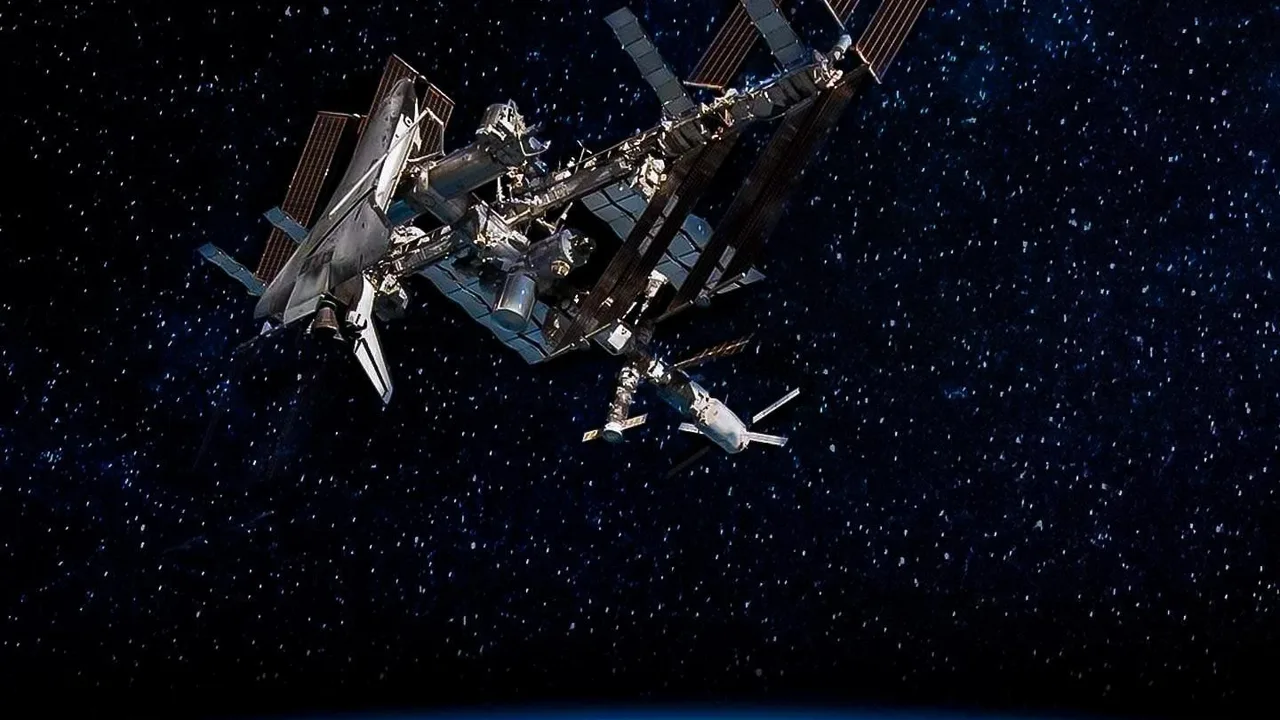
The International Space Station (ISS) is a massive orbiting laboratory, roughly the size of a football field, that circles the Earth about 420 kilometres above our heads. It travels at an incredible speed of nearly 28,000 kilometres per hour, completing
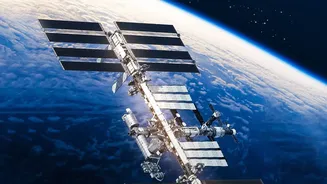
a full orbit in about 92 minutes. This means the astronauts on board witness about 16 sunrises and sunsets every single day. While it doesn't produce its own light, the station's huge solar panels reflect sunlight, making it visible from the ground without a telescope. To the naked eye, it looks like a very bright, steady star moving silently and quickly across the sky, without the flashing lights of an airplane.
Top Apps for Your Phone
The secret to spotting the ISS is knowing exactly when and where to look. Thankfully, several free and user-friendly mobile apps do all the work for you. They use your phone's location to provide precise flyover times and sky charts. Top choices for both Android and iOS include ISS Detector, NASA's official Spot The Station app, and Heavens-Above. Apps like SkyView or Star Walk 2 also offer augmented reality (AR) features, allowing you to simply point your phone at the sky to identify the ISS, stars, and other satellites in real time. Most of these apps provide notifications, so you can get an alert minutes before a pass is about to happen.
Setting Up for a Perfect Sighting
Once you've downloaded an app, the setup is simple. First, ensure you grant the app permission to use your phone's location services. This is crucial for getting accurate sighting times for your specific city. Next, go into the app's settings and enable notifications for ISS passes. Most apps will allow you to filter for only bright or easily visible passes. The app will provide key details for each flyover: the start time, the duration of visibility (usually between three to seven minutes), the maximum height it will reach in the sky (measured in degrees, where 90 is directly overhead), and the path it will take, such as appearing in the southwest and disappearing in the northeast.
When and Where to Look in India
The best time to see the station is in the hours just after sunset or before sunrise. This is the window when the sky is dark where you are, but the ISS, flying high above, is still illuminated by the sun. For viewers in India, there are several opportunities this week. For example, in Delhi on the morning of Wednesday, August 19th, 2026, a bright pass is predicted around 4:27 AM, moving from the south-southwest to the east-northeast. Mumbai will also have viewing opportunities. Since these times change daily, your best bet is to check your chosen app for the latest schedule for your specific location. The apps provide real-time, updated pass predictions.
Tips for the Best Viewing Experience
To make the most of your viewing, find a spot with a clear view of the horizon, away from tall buildings and bright city lights. Give your eyes a few minutes to adjust to the darkness. You won't need binoculars or a telescope, as the ISS is one of the brightest objects in the night sky, often outshining every star and planet except Venus. Look in the direction the app tells you the pass will begin. You’ll see a steady, bright point of light emerge and glide smoothly across the sky. It's a surprisingly fast and incredibly moving sight, a silent testament to human exploration floating among the stars.