




From Doomscrolling to Demos
For many young people, climate change has long been a source of 'eco-anxiety', fuelled by a constant stream of alarming news. However, a shift is underway. Instead of passively consuming dire predictions, Gen Z is actively creating and sharing content
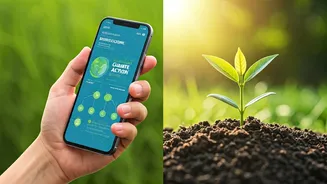
that educates, demystifies, and empowers. Platforms like Instagram and YouTube have become virtual classrooms where complex topics are broken down into digestible, engaging formats. Research shows that a significant percentage of teenagers now learn about climate change through social media rather than traditional education. This content moves beyond simple awareness to providing practical demonstrations of sustainable living, turning what was once a source of despair into a call for action.
The New Class of Climate Creators
The faces of this movement are not necessarily scientists or policy experts. They are young, relatable communicators who speak the native language of the internet. In India, a powerful wave of 'eco-influencers' is rising, particularly from Tier-2 and Tier-3 cities. Creators like Pankti Pandey, founder of the 'ZeroWasteAdda' community, and Vani Murthy, known as the 'Worm Rani' for her work in composting, are using short-form videos and personal stories to make sustainability accessible. These digital-native educators translate abstract concepts like carbon footprints and circular economies into everyday actions, from reducing kitchen waste to adopting eco-friendly fashion. This peer-to-peer approach is proving more persuasive than institutional messaging, as it feels more authentic and trustworthy to a young audience.
Local Issues, Global Platform
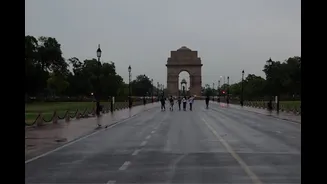
What makes this digital movement so powerful is its ability to connect global issues with local realities. Indian creators are amplifying environmental challenges specific to their regions, such as air pollution in Delhi, water crises in Rajasthan, or coastal resilience in Kerala. This hyperlocal focus makes the climate crisis more tangible and action-oriented for their followers. By framing the conversation around lived experiences—the disappearing lake, the polluted riverbank—these creators foster a deeper sense of community and shared purpose. A report highlighted that Gen Z creators were responsible for a staggering 89% of all eco-content in India in 2024, with individual creators, not large organisations, driving 97% of this output.
The Risks of the Feed
Despite its potential, this new media landscape is not without its challenges. Social media algorithms, designed to maximize engagement, can inadvertently amplify sensationalist, polarising, and inaccurate content. The rapid spread of misinformation, from outright climate denial to more subtle attempts to seed doubt, remains a significant threat. This digital ecosystem can also create echo chambers, reinforcing existing beliefs and making it difficult for nuanced, evidence-based communication to cut through the noise. Furthermore, the constant exposure to climate-related content, even when positive, can intensify feelings of eco-anxiety and burnout among both creators and consumers, highlighting the need for media literacy and mental health support.
Bridging Clicks and Concrete Action
The ultimate question is whether online engagement can translate into meaningful, real-world change. The signs are promising. Social media has become a key tool for mobilising on-the-ground action, from coordinating clean-up drives to organising protests like Fridays for Future. Indian influencers are increasingly focused on bridging this gap, using their platforms to promote citizen science, encourage volunteering, and drive participation in local environmental projects. By moving the narrative from awareness to agency, these creators are empowering a generation not only to understand the climate crisis but to feel capable of doing something about it, fostering a sense of hope and collective efficacy that is crucial for long-term change.