






A Simple, Perfect Creation
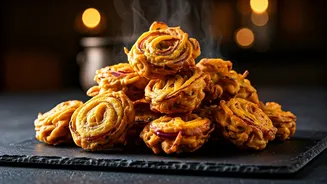
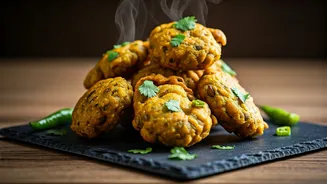
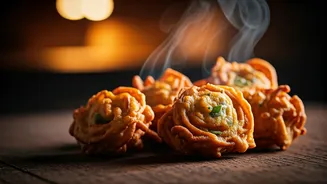
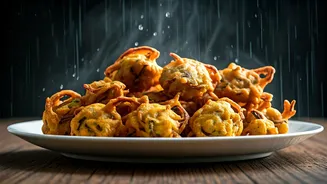
At its core, the onion pakora—also known as kanda bhaji in Maharashtra or pyaaz ke pakode in the north—is a beautifully simple creation. Thinly sliced onions are tossed in a spiced batter of gram flour (besan), seasoned with essentials like ajwain (carom
seeds), turmeric, red chilli powder, and salt. These messy, rustic dollops are then deep-fried until golden and impossibly crisp. The magic lies in the contrast: the crunchy, craggy exterior gives way to a soft, sweet, and slightly savoury interior where the onion has just begun to yield. On a damp, grey day, the sheer warmth and textural perfection of a well-made pakora is a shield against the gloom, a bite-sized piece of pure comfort.
An Experience for Every Sense
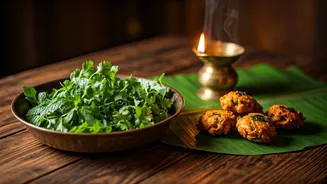
The love for onion pakoras in the monsoon is a full-body sensory experience. It begins with the sound—the rhythmic drumming of rain on a tin roof, harmonising with the fierce sizzle of batter hitting hot oil. It’s a duet that signals comfort is on its way. Then comes the aroma, a fragrance that defines an Indian household on a rainy day: the nutty scent of frying besan mingling with the sharp, sweet smell of onions and a hint of warm spices. Finally, the taste and feel. The hot, brittle crunch of the first bite, followed by the steaming, flavourful centre, is a feeling of pure, unadulterated joy. It warms you from the inside out, making the damp chill of the monsoon not just bearable, but something to be celebrated.
The Unbreakable Bond with Chai
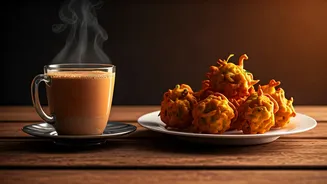
An onion pakora is rarely a solo act. Its steadfast companion, especially during the rains, is a steaming cup of masala chai. This pairing is one of India’s most iconic culinary duos, a partnership forged in monsoon heaven. The spicy, milky sweetness of the tea cuts through the richness of the fried pakora, cleansing the palate and preparing you for the next crispy bite. The ritual of huddling in a balcony or by a window, watching the rain fall with a plate of hot pakoras and a cup of adrak (ginger) chai, is more than just a snack break. It's a cherished tradition, a moment of communal peace and connection shared with family and friends. It’s a conversation starter, a mood-lifter, and an anchor in the midst of a downpour.
The Great Street Food Equaliser
While many Indians have fond memories of their mother’s or grandmother’s pakoras, the snack is also a hero of the streets. As soon as the clouds gather, makeshift stalls pop up under tarps and awnings, with vendors expertly frying batch after batch for eager customers. Office workers on their way home, students seeking shelter from the rain, and families out for a drive all converge at these humble spots. For a few rupees, anyone can partake in this simple pleasure. This accessibility makes the onion pakora a great equaliser; it’s a delicacy that transcends class and background, uniting everyone in a shared appreciation for a hot, delicious snack on a cold, wet day.
The Science of a Rainy Day Craving
There's also a bit of science behind our monsoon cravings. The drop in temperature and lack of sunlight can cause a slight dip in serotonin levels, the body's 'feel-good' chemical. This can trigger a craving for carbohydrate-rich and fried foods. The combination of carbs and fat, like that found in pakoras, can help boost our mood. Furthermore, in Ayurvedic tradition, the monsoon season (Varsha Ritu) is associated with an aggravation of the Vata dosha, which is cool and dry. Eating warm, nourishing, and slightly oily foods is believed to help balance this, promoting a sense of well-being. So, whether you chalk it up to chemistry or ancient wisdom, reaching for that pakora is your body’s intuitive way of finding balance and happiness.