





Understanding the Threat: Hydroplaning
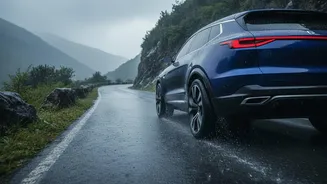
The most significant danger on a wet road is hydroplaning, also known as aquaplaning. This happens when a layer of water builds up between your tyres and the road surface. Instead of gripping the road, your tyres start to float on top of the water, much
like a water ski. When this occurs, you lose traction almost instantly, making steering, braking, and accelerating nearly impossible. It can happen in a fraction of a second, especially when driving at higher speeds or through standing water. The vehicle might feel like it's drifting uncontrollably, and the steering wheel can suddenly feel light and unresponsive. This loss of control is precisely what leads to dangerous skids, especially on the inclines and descents of hilly routes where gravity is already working against you.
Your Tyre's First Line of Defence: The Tread
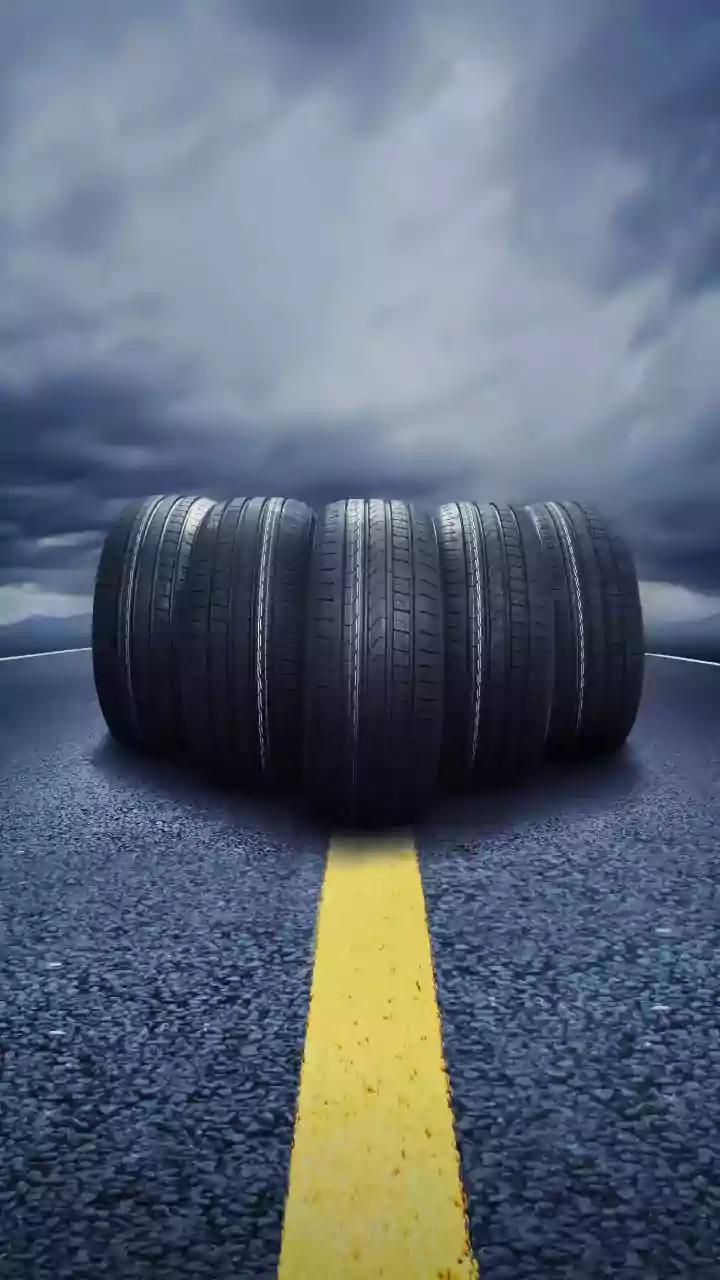
A tyre's tread is not just for show; it's a highly engineered system designed to keep you safe in the rain. The grooves and channels you see on a tyre's surface act as a drainage system. Their primary job is to channel water away from the contact patch—the part of the tyre that actually touches the road. By efficiently pushing water to the sides, the tread allows the rubber to maintain direct contact with the pavement, preserving the friction needed for grip. However, as tyres wear down, the depth of these grooves decreases. A worn tyre cannot disperse water effectively, dramatically increasing the risk of hydroplaning. While the legal minimum tread depth is low, safety experts recommend replacing tyres for wet conditions well before they reach that point, as wet traction begins to drop sharply once treads are significantly worn.
The Unseen Hero: Rubber Compound and Pressure
Beyond the visible treads, two other factors are critical for wet grip: the rubber compound and tyre pressure. Modern tyres often use advanced compounds, sometimes including silica, which is formulated to provide better adhesion on wet surfaces than traditional rubber. This chemical grip works alongside the mechanical grip from the tread to keep you planted. Just as important is maintaining the correct tyre pressure, as recommended by your vehicle’s manufacturer. Under-inflated tyres can flex too much, causing the center of the tread to lift away from the road, which reduces their ability to clear water. Conversely, over-inflated tyres have a smaller contact patch with the road, reducing overall grip. Regularly checking that your tyres are inflated to the specified pressure is one of the easiest and most effective ways to maximize traction in the rain.
Adapting Your Driving for Wet Hills
Even with the best tyres, your driving style is paramount for safety during a downpour. The first and most important rule is to slow down. Reducing your speed gives the tyres more time to channel water away and increases the available grip. On hilly routes, this is even more critical. All your inputs should be smooth and gentle—avoid sudden braking, sharp turns, or aggressive acceleration, as these actions can easily break the limited traction available. Increase your following distance significantly, as it takes about three times longer to stop on a wet road. When cornering, slow down before the turn and maintain a steady, gentle speed through it. If you do feel the car start to hydroplane, resist the instinct to slam on the brakes. Instead, ease off the accelerator and steer straight until you feel the tyres regain contact with the road.