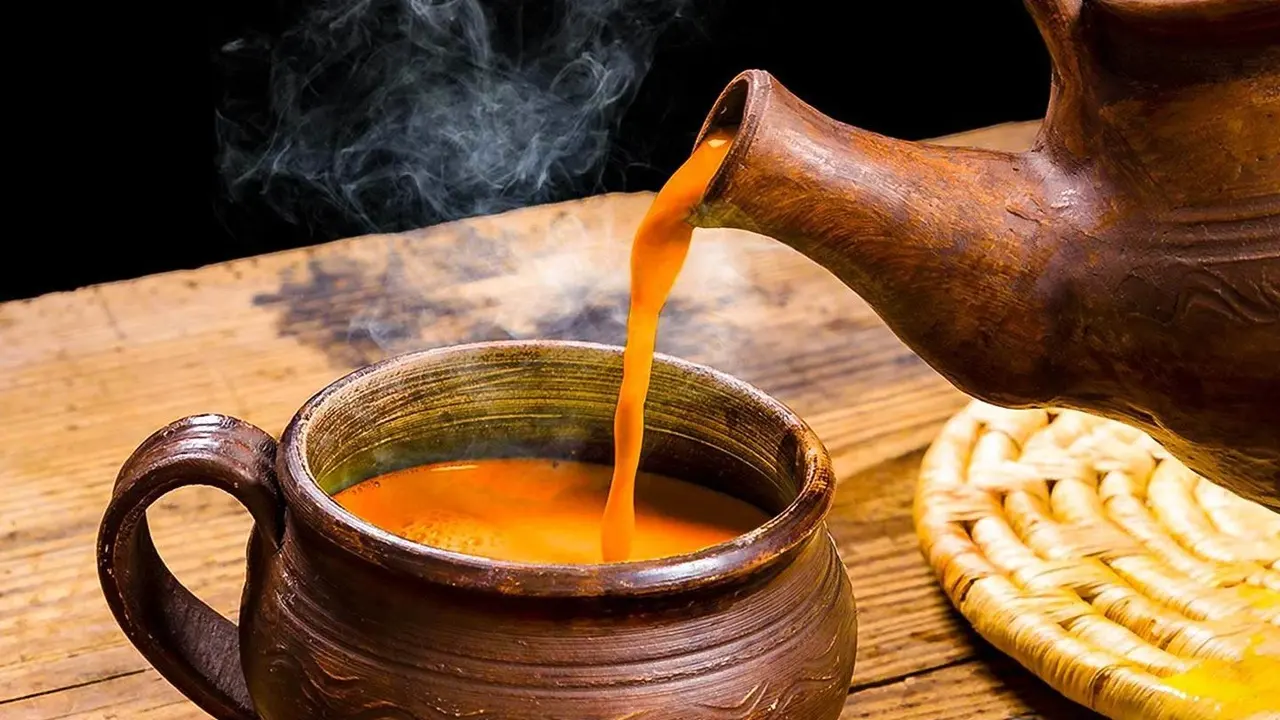




For many in India, tea is more than a beverage; it's a cherished ritual. But what if your daily cup isn't as flavourful as it could be? Simple, common misconceptions in brewing can mute the very qualities that make tea so special.
Using Boiling Water For Every Tea
One of the most widespread
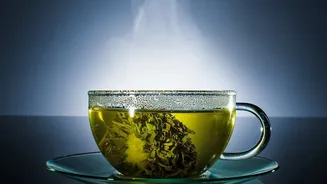
habits is to use furiously boiling water for every type of tea. While this works well for robust black teas and many herbal infusions, it's a flavour-killer for more delicate varieties. Green and white teas, for instance, contain sensitive compounds that turn bitter when scorched by boiling water. Using water that's too hot is often why many people think they don't like green tea, finding it harsh and astringent. Instead of a one-size-fits-all approach, tailor the temperature to the tea. For green and white teas, aim for water around 75–85°C. A simple trick is to let a boiling kettle sit for about five minutes before pouring.
Steeping For Too Long (Or Not Long Enough)
Patience is a virtue, but leaving your tea to steep indefinitely won't make it better. Over-steeping is a primary cause of bitterness. As the leaves sit in hot water, they continue to release compounds called tannins, which are responsible for that unpleasant, overly strong taste. On the other hand, a steep that's too short will result in a weak, watery cup that lacks character. Each tea has an ideal infusion time. As a general guide, green tea often needs just 2–3 minutes, while black teas benefit from 3–5 minutes. Herbal teas are more forgiving and can often steep for 5–7 minutes or longer without becoming bitter.
Squeezing The Tea Bag
In a hurry to get every last drop of flavour, many people press their tea bag against the side of the cup with a spoon. This seemingly harmless act does more harm than good. Squeezing the bag forces out the dregs of the tea, which are highly concentrated in bitter-tasting tannins. Rather than making your tea 'stronger' in a good way, it introduces a harsh, astringent quality that can ruin an otherwise smooth cup. It also increases the risk of tearing the bag, letting fine tea dust escape into your drink. For a better-tasting brew, simply lift the bag out and let it drip for a moment before discarding it.
Ignoring Water Quality
Your cup of tea is about 99% water, so the quality of the water you use has a huge impact on the final taste. Using tap water that is heavily chlorinated or has a high mineral content (hard water) can introduce off-flavours that mask the tea's delicate notes. Similarly, re-boiling water that has been sitting in the kettle all day reduces its oxygen levels, which can lead to a 'flat' or dull-tasting cup. For the best results, always start with fresh, cold water. Using filtered or bottled spring water is a simple step that can dramatically improve the clarity and flavour of your brew.
Storing Tea Improperly
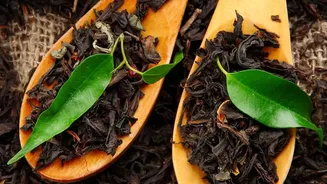
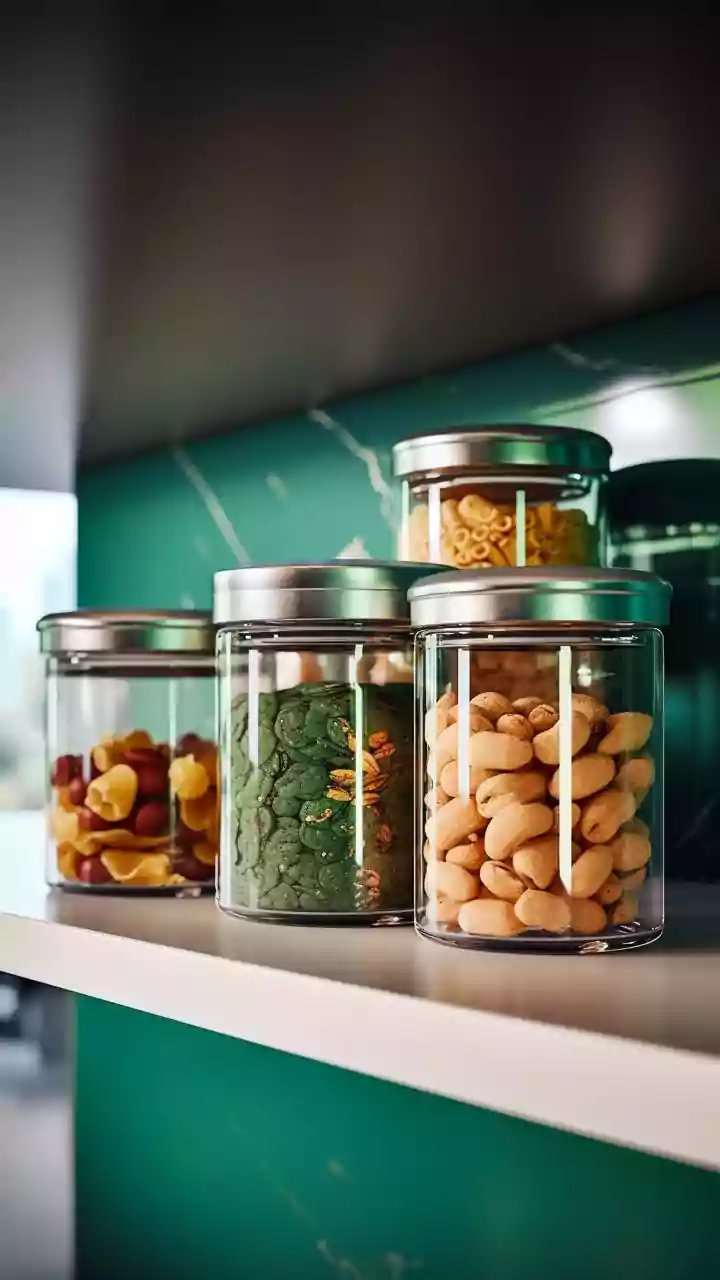
Tea leaves are highly absorbent and sensitive to their environment. Their biggest enemies are air, light, moisture, and strong odours. Storing your tea in a clear glass jar on a sunny countertop might look nice, but the light will quickly degrade the leaves and diminish their flavour. Likewise, keeping tea in the refrigerator is a common mistake; the leaves can absorb moisture and surrounding food smells. The ideal storage solution is an airtight, opaque container kept in a cool, dry, and dark place like a cupboard, away from heat sources and fragrant spices.