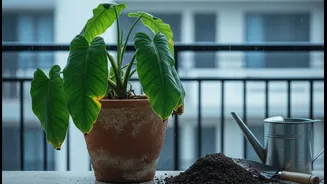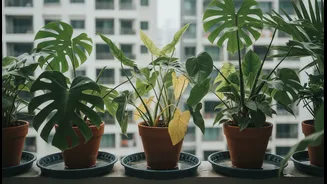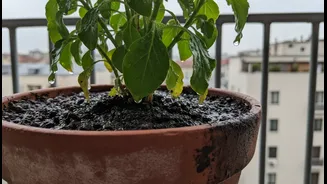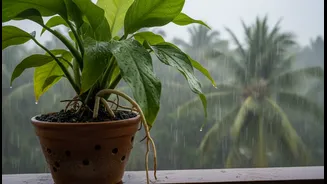




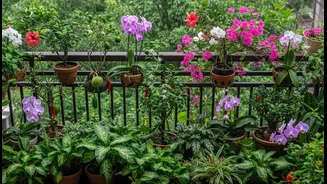


The Monsoon's Double-Edged Sword
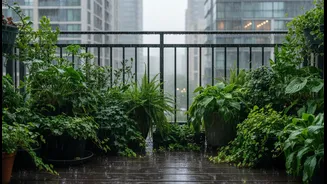
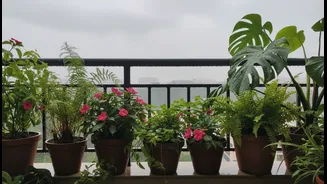
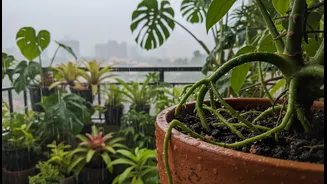
For Indian balcony gardeners, the monsoon is a magical time. The air is heavy with the smell of wet earth, and plants respond with a burst of life. But the very conditions that encourage such vigorous growth—constant moisture and high humidity—create
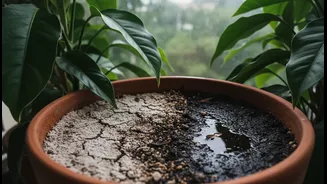
the perfect storm for a hidden menace. While rainfall reduces the need for constant watering, it also means pots can become waterlogged, especially if drainage is poor. Roots need oxygen to survive, but when soil is perpetually saturated, these air pockets disappear, suffocating the roots and inviting fungal pathogens to attack. This is the paradox of monsoon gardening: the season of abundance is also the season of highest risk for root rot.
Understanding the Unseen Enemy
Root rot is exactly what it sounds like: the decay and death of a plant's root system. It’s not just about too much water; the true culprits are fungi and bacteria that thrive in soggy, low-oxygen soil. These pathogens are often dormant in the soil but multiply rapidly in wet conditions, attacking vulnerable roots. As the roots rot, they lose their ability to absorb water and essential nutrients, effectively starving the plant from below. What makes it so insidious is that the damage begins out of sight, and by the time symptoms appear above ground, the problem is often advanced.
Spotting Trouble Above Ground
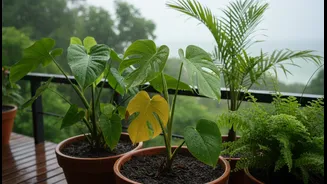
Since the initial damage is hidden, learning to spot the early, above-ground symptoms is the first step in screening. The most common tell-tale sign is a plant that is wilting even though the soil is damp. This happens because the decaying roots can no longer draw water up to the leaves. Another key indicator is yellowing leaves (chlorosis), particularly the lower ones. Stunted growth during what should be a peak growing season is also a red flag. In some cases, you might notice a foul, swampy odour coming from the soil, which is a clear sign of decay. If you see these signs, it's time to investigate further.
Your Guide to a Root Check-Up
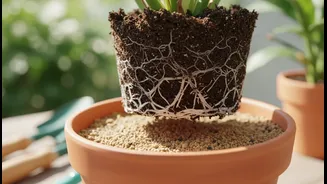
Confirming root rot requires a hands-on inspection. Don't be afraid to gently unpot your plant to check. First, carefully slide the plant out of its container. Healthy roots should be firm and typically white or light tan. Roots suffering from rot will be brown, black, and feel soft, mushy, or slimy to the touch. They may break off easily or the outer layer might slide right off, leaving a thin, hair-like strand behind. The soil itself might also have a distinct, unpleasant smell of decay. This physical check is the most definitive way to diagnose root rot early.
An Emergency Action Plan for Rot
If you discover rot, act fast. If the entire root system is mushy, the plant may be beyond saving. But if there are still healthy, firm roots, there's a good chance of recovery. Using a pair of clean, sterilized scissors, carefully trim away all the brown, mushy parts of the root system. Be thorough, as any remaining rot can spread. After trimming, you can rinse the remaining healthy roots under lukewarm water. It is critical to repot the plant in fresh, sterile, and well-draining potting mix. Do not reuse the old, contaminated soil. Choose a clean pot with adequate drainage holes and avoid watering the plant for a few days to let the roots recover.
Keeping Your Garden Lush and Rot-Free
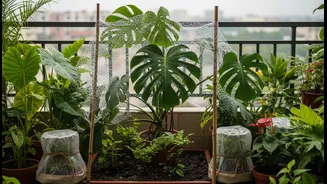
Prevention is always the best strategy. The most crucial factor is proper drainage. Ensure every pot has drainage holes and that they aren't blocked. During the monsoon, avoid leaving pots sitting in saucers full of water. Use a high-quality potting mix designed for containers, not heavy garden soil which compacts easily. Amending your mix with materials like perlite or coarse sand can significantly improve aeration and drainage. Finally, adjust your watering habits. Always check the soil moisture with your finger before watering; if the top inch or two feels damp, wait. Even with daily rains, some pots on a covered balcony may stay surprisingly dry, while others become saturated, so individual checks are vital.