


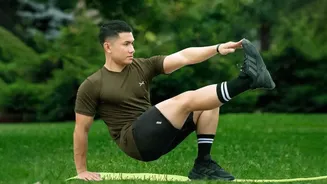
The Superman exercise is a simple yet powerful move for strengthening your lower back and glutes. While it seems straightforward, proper technique and understanding its limits are crucial for safety and effectiveness. Here’s how to do it right.
What Is the Superman Exercise?
The Superman
is a bodyweight floor exercise that targets the posterior chain—the muscles along the backside of your body. Primarily, it strengthens the erector spinae, which are the muscles that run up and down your spine, helping you maintain good posture. It also engages your glutes, hamstrings, and shoulders. The name comes from the position you hold at the peak of the movement, which resembles the comic book hero in flight. Because it requires no equipment, it's an accessible exercise for people of all fitness levels looking to build foundational back strength and improve core stability.
The Right Exercise Mat Setup
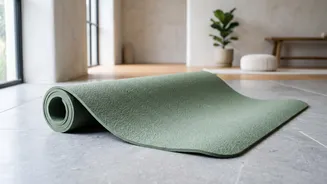
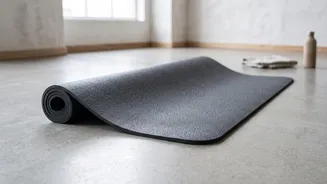
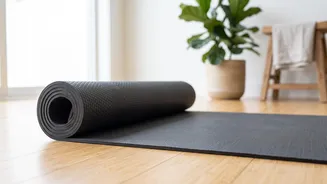
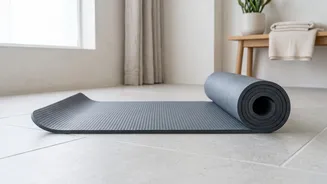
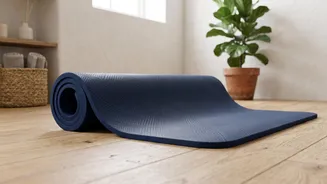
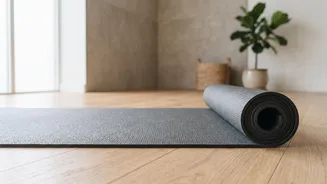
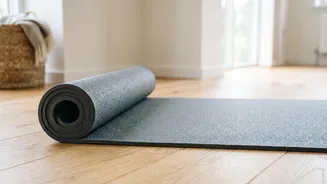
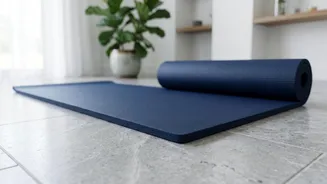
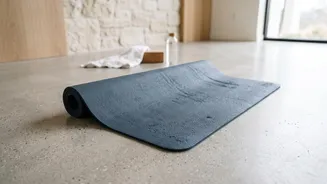
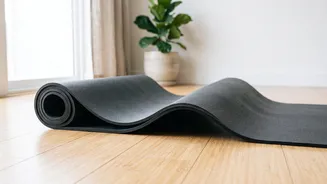
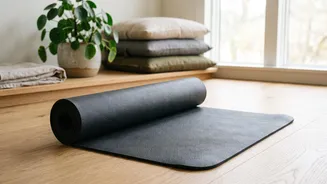
While you can technically perform the Superman on any flat surface, using an exercise mat is highly recommended for comfort and hygiene. A hard floor can put uncomfortable pressure on your hip bones, ribs, and chin. Choose a standard yoga or fitness mat that provides a thin layer of cushioning without being too soft. Lay the mat on a clear, flat area with enough space to fully extend your arms and legs. When you lie down, your entire body from your fingertips to your toes should fit on the mat. Position yourself face down in the center of the mat to ensure you have ample room to move without hitting any surrounding objects.
Step-by-Step Technique
Proper form is everything with the Superman. Rushing the movement or using momentum can strain your neck or lower back. Lie face down on your mat with your legs straight and together, and your arms extended in front of you. Your neck should be in a neutral position, with your gaze directed at the floor. Take a deep breath in, and as you exhale, engage your core and simultaneously lift your arms, chest, and legs off the floor. Focus on using your back and glute muscles to initiate the lift. Hold the 'flying' position for two to five seconds, keeping your neck long. Avoid arching too high; a few inches of lift is all you need. Inhale as you slowly lower your limbs back to the starting position with control. Aim for 2-3 sets of 10-15 repetitions.
Common Mistakes to Avoid
Several common errors can undermine the exercise's benefits and increase injury risk. The most frequent mistake is lifting too high, too fast. This hyperextends the spine and can cause compression in the lower back. The movement should be slow and controlled, not jerky. Another pitfall is holding your breath, which can increase blood pressure and prevent your core from stabilizing properly. Remember to breathe throughout the movement. Many people also make the mistake of craning their neck to look forward, which strains the cervical spine. Keep your gaze down at the mat to maintain a neutral neck alignment. Finally, do not bend your knees or elbows; keep your limbs as straight as possible to fully engage the target muscles.
Understanding the Practical Limits
The Superman is an excellent foundational exercise, but it's important to recognize its limitations. As a bodyweight exercise, its potential for building significant muscle mass (hypertrophy) is limited. For advanced athletes or those looking to build a very strong back, it serves more as a warm-up or accessory movement rather than a primary strength builder. Furthermore, while it helps prevent lower back pain by strengthening supporting muscles, it is not a cureall. If you have an acute back injury, such as a disc herniation, performing the Superman could worsen your condition. It stabilises the back but doesn't do much to improve spinal mobility, so it should be paired with other exercises and stretches for a well rounded routine.
Modifications and Progressions
One of the best features of the Superman is its scalability. If you are a beginner or find the full version too challenging, start with an alternating variation. From the same starting position, lift only your right arm and left leg simultaneously, then switch sides. This reduces the load on your back. To make the exercise more challenging, you can increase the duration of the hold at the top of the movement. Another progression is the 'swimming' variation, where you perform small, fluttering kicks with your arms and legs while holding the lifted position. For an advanced challenge, you can hold very light dumbbells or wear wrist and ankle weights, but only after you have mastered perfect form with your own bodyweight.